

DOJ Seeks to Block Independent Monitor From Releasing Epstein Files in Maxwell Case
DOJ says representatives Khanna and Massie cannot force court supervision of Epstein file releases.
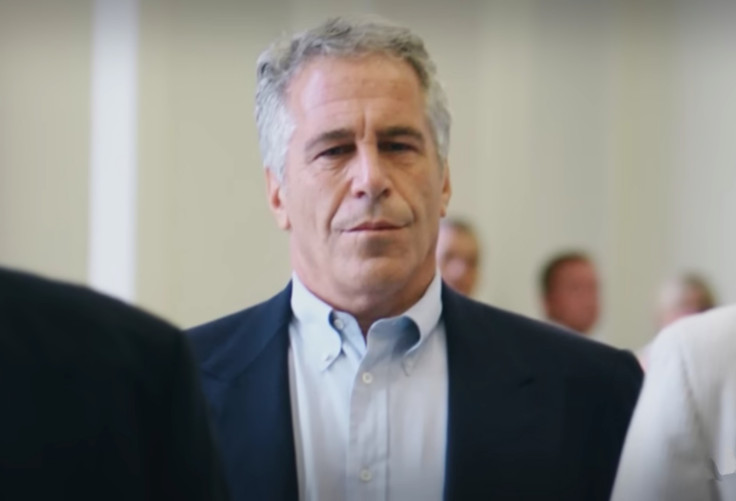
The US Department of Justice (DOJ) has filed a motion to prevent the appointment of an independent monitor to oversee the release of Epstein files in the Ghislaine Maxwell case.
The move comes after Representatives Ro Khanna and Thomas Massie sought court involvement to enforce the Epstein Files Transparency Act, passed in November 2025.
The DOJ claims federal courts lack the authority to compel compliance, arguing that Khanna and Massie have no legal standing to seek oversight.
However, the DOJ's decision has caused concerns among transparency advocates over delays in accessing millions of documents connected to the convicted sex offender.
NEW: The DOJ has filed a motion to block the appointment of an independent monitor to release the Epstein files in the Ghislaine Maxwell case.
— MeidasTouch (@MeidasTouch) January 17, 2026
The DOJ argues that federal courts lack the authority to enforce the Epstein Transparency Act and that Reps. Ro Khanna and Thomas… pic.twitter.com/7FCvrlJ5ng
DOJ Cites Limits of Court Authority
In its filing, the DOJ told the Southern District of New York that the Maxwell case is already closed and the primary issues now involve the narrow modification of a protective order. The government stressed that the court's role does not extend to enforcing the requirements of the Epstein Files Transparency Act.
The DOJ argued that allowing Khanna and Massie to act as Amici curiae (a friend of the court) to demand a special monitor would exceed the purpose of their role, which is to provide neutral guidance rather than advocate for specific outcomes.
A DOJ spokesperson added that although the law requires some documents to be made public, the protective order already sets rules to protect victims' privacy.
In short, the DOJ believes it can release the files legally on its own, without the court forcing it or needing an independent monitor.
Lawmakers Seek Oversight, Court Pushes Back
Khanna and Massie filed their motion, arguing that the DOJ is moving too slowly in releasing files under the new Act. They proposed appointing an independent monitor to ensure timely compliance, particularly underlining the public interest in accessing the full scope of documents detailing Maxwell's criminal conduct and her links to Jeffrey Epstein.
The DOJ countered that the legislators lack Article III standing, a legal requirement that requires showing a real, personal harm. They noted that the law doesn't give individual members of Congress the power to force the release of documents.
Unfortunately, only those directly affected, like the victims, have the legal 'right' to push the DOJ or the court to act. People who aren't directly involved, such as outside lawmakers, usually can't force enforcement because the law doesn't give them that power.
Transparency Advocates Voice Concerns
Advocates for the public release of the files have criticised the DOJ's approach, warning that millions of documents remain inaccessible, slowing accountability for victims and public understanding of the case.
While the protective order balances privacy with transparency, critics argue that the government's interpretation may be overly restrictive, particularly given that the Epstein Files Transparency Act explicitly prioritises public access.
However, the DOJ maintains that it is following the law, releasing materials where permissible, and that judicial involvement beyond the scope of the protective order is unwarranted. The department's position reflects a long-standing principle in US federal law: courts generally cannot compel action where Congress has not explicitly granted a cause of action.
What Happens Next
The court will decide whether to allow the monitor, but experts think it will probably side with the DOJ because courts rarely allow non-parties to enforce laws like this.
For now, only a small portion of Epstein-related documents has been made public, and many questions remain about what remains hidden. Commenters in the X thread, however, say this is common: non-parties often cannot force federal agencies to act, especially when the law doesn't give them that power.
© Copyright IBTimes 2026. All rights reserved.