

Elon Musk's X Faces UK Ban — AI Fake Nudes Row Sparks Outrage and Free Speech Fears
British Prime Minister Sir Keir Starmer said 'This is disgraceful. It's disgusting and it's not to be tolerated'
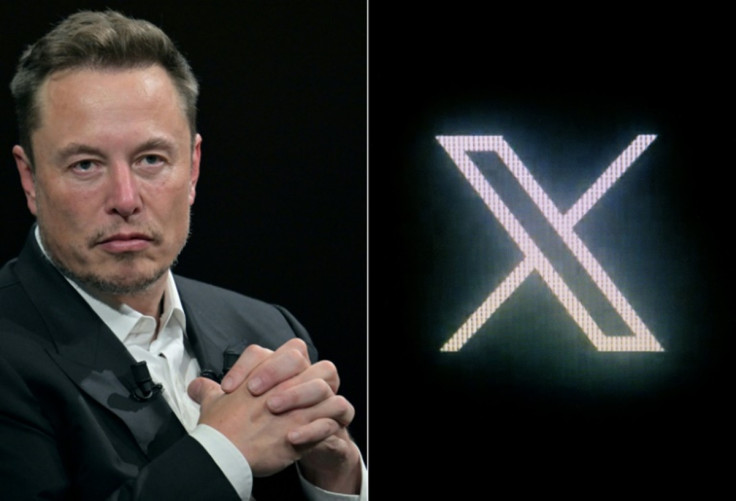
Elon Musk's social media platform X (formerly Twitter) is facing intense political and regulatory scrutiny in the United Kingdom amid allegations that Grok, the platform's artificial intelligence tool, has been used in generating sexualised images of women and children, including deepfakes.
The non-consensual images fall into child sexual abuse material (CSAM), ånd the controversy has prompted UK leaders to call for urgent action and has raised serious concerns on platform accountability and online safety laws.
‘It is the equivalent of trying to shut down Microsoft Word!’ @benleo444 weighs in on reports that the UK may ban X over the AI deepfake abuse scandal. pic.twitter.com/tSzV48vKX8
— GB News (@GBNEWS) January 9, 2026
British Prime Minister Sir Keir Starmer said on Thursday, 8 January, 'This is disgraceful. It's disgusting and it's not to be tolerated. X needs to get their act together and get this material down – and we will take action on this because it's simply not tolerable', per The Telegraph, following continued use of Grok by X users to generate thousands of explicit images of women and children.
Political Backlash Sparked
At the core of the controversy is Elon Musk's xAI Grok, an AI chatbot that is integrated into social media platform X, also Musk's. The chatbot is capable of modifying user-uploaded photos via text prompt. In December of 2025, news of Grok producing sexualised images of people by prompting the AI chatbot to alter real images flooded the internet, including requests of 'undressing' them.
British Secretary of State for Science, Innovation and Technology Liz Kendall described the recent trend of images as 'absolutely appalling and unacceptable', according to a report by Express & Star. Apart from supporting Ofcom, Kendall also reiterated X needs to swiftly address this issue.
Elon Musk's Grok AI chatbot faces a load of scrutiny from Liz Kendall who does not like it creating images of women without clothing (even Jessica Rabbit wore a dress btw), certainly a marked change from her predecessor Peter Kyle who couldn't defend AI scrutiny! pic.twitter.com/92bBsK3dCS
— Matthew Caddis (@MatthewCaddis) January 7, 2026
'Violence against women and girls stains our society — and that is why we have also legislated to ban the creation of explicit deepfakes without consent, which are both degrading and harmful. Make no mistake — the UK will not tolerate the endless proliferation of disgusting and abusive material online. We must all come together to stamp it out', Kendall said.
Pushing for Action Without Limiting Free Speech
Kendall emphasised that measures to curb the circulation of fake nude images are not intended to restrict freedom of expression.
Meanwhile, Donald Trump's US administration has criticised European regulators and online safety advocates for attempting to regulate content on American platforms. Kendall clarified: 'Services and operators have a clear obligation to act appropriately. This is not about restricting freedom of speech but upholding the law.'
'We have made intimate image abuse and cyberflashing priority offences under the Online Safety Act – including where images are AI-generated. This means platforms must prevent such content from appearing online and act swiftly to remove it if it does', she continued.
In a Reuters report, Italy's privacy watchdog has confirmed joint efforts with the Data Protection Commission of Ireland and warned that altering and sharing real media 'could amount to criminal offences and serious privacy breaches under EU law.' X's EU operations are said to be based in Ireland.
BREAKING: The UK is considering banning the 𝕏 platform. pic.twitter.com/giDpFiWpfL
— DogeDesigner (@cb_doge) January 8, 2026
British independent communications regulator Ofcom warned of launching an investigation on X following making 'urgent contact' with the platform. Under the British Online Safety Act, officials can ban social media sites by seeking an 'access restriction order' to prevent illegal content from spreading, including non-consensual intimate images and CSAM, and levy fines on social media platforms who fail to take active steps.
© Copyright IBTimes 2026. All rights reserved.