

Epstein Files, Obama 'Treason' and Heaven Odds: Here's What Josh Johnson Has to Say
Josh Johnson dissects how distraction politics, conspiracy fatigue and spiritual panic collided in American news
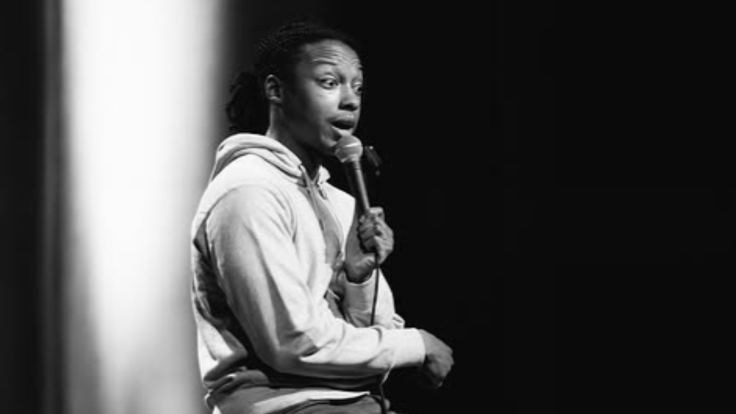
The headlines may look chaotic, but Josh Johnson says there is a pattern hiding in plain sight and he is in a rare position to call it out. The stand-up comedian turned political satirist, now a senior correspondent on The Daily Show, used a blistering segment to tear through the Epstein files, revived claims of Obama 'treason' and even the president's public anxiety about whether he will get into heaven.
As a comic whose job is to distil political noise into uncomfortable truths, Johnson has both the access and the licence to tackle what others dance around. His role allows him to scrutinise leaked documents, official talking points and media spin, then translate them into sharp, digestible commentary for a mass audience that feels increasingly sceptical.
Why the Epstein Files Keep Pulling Everyone Back
Johnson makes it clear the Jeffrey Epstein story refuses to die because many Americans believe they have never been told the full truth. Every attempt to pivot the conversation only snaps it back into focus. As he puts it, 'Donald Trump can't shake the Jeffrey Epstein news. He's gonna lower drug prices two billion percent, and the media still won't let it go.'
The release of thousands of pages of documents, meant to defuse public anger, has instead poured petrol on the fire. Johnson jokes that flooding the public with paperwork but no clear answers only deepens suspicion.
'This is like trying to hide one mess by making a bigger mess,' he says, pointing out that the expanding paper trail has sparked more questions than it has settled.
What stands out most, Johnson argues, is the mounting pressure from all sides. Even lawmakers normally loyal to the president are now demanding transparency.
According to Johnson, this moment is no longer about fringe conspiracy theories but about trust itself. When voters feel stonewalled for too long, he warns, even the loudest distractions lose their power and the truth has a way of clawing back into the spotlight.
Obama 'Treason' Claims Return
As the Epstein issue refuses to disappear, Johnson points out that the next move is predictable. Blame Barack Obama. Accusations of election interference and treason have resurfaced with dramatic flair, but Johnson undercuts them by highlighting how recycled they sound. 'Trump has been going after Obama for decades,' he says. 'If this was gonna work, it would've worked by now.'
Johnson also notes the strange imbalance between the noise and the reaction. While accusations fly, Obama appears relaxed and untouched by the drama. 'Does this man seem worried?' Johnson asks, referencing Obama's calm public appearances. 'He's doing a podcast about ketchup.'
For Johnson, this contrast is revealing. The tactic depends on provoking outrage, but it fails when the supposed villain refuses to engage. The result is frustration, not momentum.
Big Promises, Strange Maths and Accidental Socialism
Johnson then turns his attention to sweeping economic promises that dominate the news cycle. From claims of slashing drug prices by impossible percentages to plans for tariff funded rebate checks, Johnson dismantles the logic with humour and simple maths. 'Lowering prices 100 percent means it's free,' he explains. 'Anything past that means they're paying you.'
What makes this moment especially sharp is Johnson's observation that these promises accidentally resemble policies often criticised by the same politicians. 'Did Donald Trump just stupid himself into socialism?' he asks, only half joking.
Yet Johnson does not dismiss the appeal outright. He acknowledges that financial relief would help many Americans. The problem, he stresses, is credibility. Promising the same money to multiple causes exposes a lack of planning and erodes trust even further.
Heaven Odds and A Rare Moment of Vulnerability
Perhaps the most unexpected part of Johnson's segment focuses on religion and fear. He highlights recent remarks where the president openly questioned his chances of getting into heaven. For Johnson, this moment stands out because it breaks character. 'This is the first time I've seen him be humble about anything,' Johnson says.
He follows with a darker observation. 'You never want to hear the person leading you talk about dying,' Johnson adds, comparing it to a pilot discussing the afterlife mid flight.
Johnson's takeaway is both funny and unsettling. When leaders start worrying out loud about judgment, it suggests they feel it coming, politically or historically. In tying together scandals, distractions and spiritual anxiety, Johnson paints a picture of power under pressure.
In the end, his answer to the headline question is unmistakable. Josh Johnson is not just joking about the chaos. He is explaining it, one uncomfortable truth at a time.
© Copyright IBTimes 2025. All rights reserved.
- MOST POPULAR IN World


