

Galaxy S26 Ultra Price Leak: Good News for Your Wallet, Bad for Specs?
While Samsung aims to keep the flagship affordable, this move could lead to fewer hardware upgrades

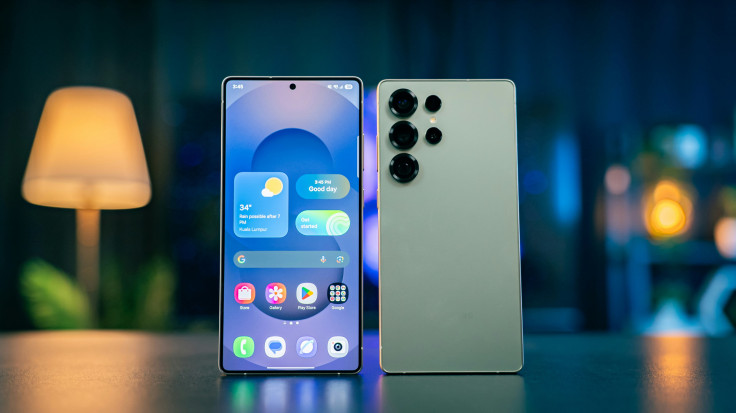
Samsung's upcoming release of the Galaxy S26 Ultra is sparking intense debate as rumours suggest a surprising shift in strategy.
While the prospect of a frozen price tag is fantastic news for our bank accounts, it raises difficult questions about what hardware might be sacrificed to make those savings a reality. In an era of soaring component costs, the tech giant faces a delicate balancing act between maintaining its premium reputation and keeping its latest flagship within reach for everyday consumers.
Rumours surrounding the Galaxy S26 Ultra suggest Samsung might be prioritising affordability for its next flagship release. While a lower price tag is a welcome change for consumers, early leaks indicate this shift could come at the cost of significant hardware upgrades. Enthusiasts are now left wondering if the financial savings will justify a potentially modest leap in performance.
READ MORE: Samsung Galaxy S26 Ultra Leak Points to 60W Charging That Could Flip Flagship Rules
READ MORE: The Galaxy S26 Ultra's New 'Invisibility' Feature Comes With a Catch—and a Possible Price Hike
The $1,300 Price Target
According to iNews24, the tech giant is striving to match the price of the Galaxy S26 Ultra to its predecessor, which originally launched for roughly $1,300 (£967.63). A year-long semiconductor supply deficit has forced manufacturers like Samsung to spend three times the usual amount on memory components. These skyrocketing costs are currently eroding the company's financial returns.
Galaxy S26 series
— Anthony (@TheGalox_) January 2, 2026
S26: $799
S26 Plus: $999
S26 Ultra: $1299
All models come with 12gb ram and 256gb storage
I am confident that this price freeze wouldn’t have been possible without using Exynos in some regions. pic.twitter.com/vd7pmwJAAx
Certain experts believe the Galaxy S26 Ultra might retail for $1,399 (£1041.32) in the United States, a figure that mirrors the Galaxy S20 Ultra's initial price. Nevertheless, the manufacturer is allegedly aiming to stay below the KRW 2 million threshold in its home market, South Korea. Should the company succeed in meeting this goal, the handset may continue to be sold at the current $1,299 (£966.89) rate for American buyers.
Achieving this price point might require the firm to trim the bonuses typically offered during the launch phase. The well-known promotion that doubles internal capacity for early adopters could be scrapped, alongside the potential reduction or total removal of other standard perks.
The Impact of the AI Boom
The need for semiconductor storage has spiked over the last twelve months, spurred by the swift growth of artificial intelligence frameworks. Leading tech firms like Amazon, Google, Meta, Microsoft, Nvidia, and OpenAI are quickly exhausting the supply of high-bandwidth memory and server-class DDR5 components.
Galaxy S25 Ultra → S26 Ultra
— Anthony (@TheGalox_) January 17, 2026
• Snapdragon 8 Elite → 8 Elite Gen 5
• 6.9 inch QHD+ Dynamic Amoled
• M13 → M14 Amoled Panel
• n/a → Privacy mode
• 10mp → 12mp 3x Telephoto
• f/1.7 → f/1.4 main aperture
• f/3.4 → f/2.9 5x Tele aperture
• 45w/15w → 60w/25w charging… pic.twitter.com/EdoTlxSjZI
Suppliers such as Micron, Samsung, and SK Hynix have redirected their manufacturing efforts away from standard memory used in notebooks and mobile devices toward HBM and server-level components, which yield better returns. Their focus has moved towards enterprise-level hardware destined for AI infrastructure and massive data hubs instead.
Rising Costs for Consumers
Consequently, the output of standard and energy-efficient memory has dropped. This manufacturing slowdown has triggered a steep rise in costs, which hits mobile phone producers directly. Such a trend may eventually leave you facing a larger bill when you buy your next device.
The debut of the Galaxy S26 Ultra represents a pivotal moment for Samsung's market strategy. Successfully balancing a competitive price point with high-end performance would be a major triumph for the brand.
However, if technical compromises feel too significant, loyal enthusiasts might start exploring other flagship alternatives. With the official unveiling just weeks away, we will soon discover whether this gamble on affordability pays off or leaves users wanting more from their next premium device.
© Copyright IBTimes 2026. All rights reserved.