

Influencers Earn Six Figures by Provoking Anger: Oxford's 'Rage Bait' Word of the Year Turns Into a Money Machine
As algorithms continue rewarding outrage over quality, a new generation of creators is turning your anger into their income
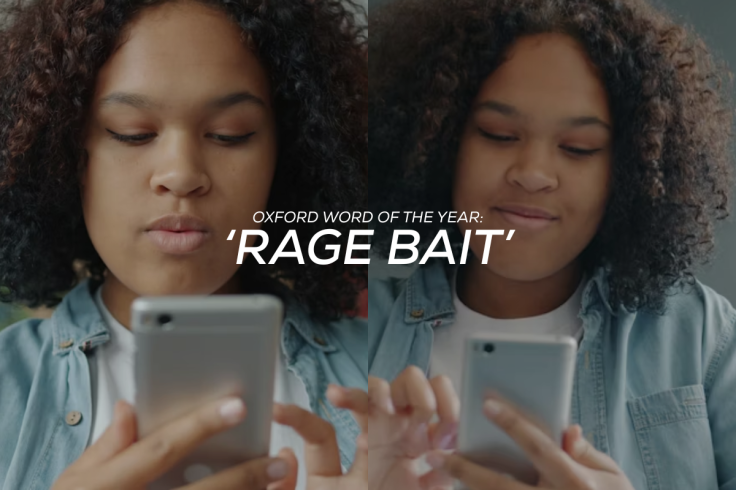
Oxford University Press has crowned 'rage bait' as its Word of the Year for 2025, officially recognising what content creators have known for some time: making people furious is now a legitimate career path.
The term, which has tripled in usage over the past 12 months, describes online content deliberately designed to provoke anger and outrage. For the millions scrolling through their social media feeds, the manufactured outrage they encounter has become impossible to avoid. Enter a growing number of influencers who are capitalising on this phenomenon by creating content specifically designed to elicit reactions.
The Six-Figure Anger Economy
American content creator Winta Zesu exemplifies this new wave of rage bait entrepreneurs. According to Marketplace, the 25-year-old influencer earned approximately £112,000 ($150,000) in 2023 by posting content tailored to attract hate comments.
'Every single video of mine that has gained millions and millions of views is because of hate comments,' Zesu explained to Marketplace. 'Literally, just if people get mad, the video is gonna go viral.'
Her strategy is straightforward: post provocative content across TikTok, Instagram, and YouTube, then monetise through each platform's creator programmes. This approach exploits a fundamental truth about social media economics — negative engagement is valued equally to positive interaction.
Why Algorithms Reward Your Outrage
This business model works because platforms treat all engagement the same. Whether a comment is encouraging or angry, the algorithm interprets both as valuable.
'If we see a cat, we're like, "Oh, that's cute." We scroll on,' explained Andréa Jones, a marketing strategist. 'But if we see someone doing something obscene, we might comment, "This is terrible," and that kind of engagement is seen as higher-quality by the algorithm.'
This creates a perverse incentive: creators seeking maximum visibility quickly learn that controversy outperforms quality, and outrage outperforms nuance.
Angèle Christin, associate professor of communication at Stanford University and senior fellow at the Stanford Institute for Human-Centred Artificial Intelligence, has studied these dynamics extensively. She notes that rage bait creators often rely on platform payment programmes, including TikTok's Creator Rewards Programme, YouTube's Partner Programme, and Meta's monetisation bonuses.
'For these creators, all publicity is good publicity,' Christin said. 'It doesn't really matter whether the engagement is positive or negative, as long as users watch their content and interact with it.'
The Hidden Cost to Your Attention
The implications reach beyond individual creators gaming the algorithms. Oxford Languages President Casper Grathwohl linked this year's Word of the Year to 2024's choice, 'brain rot', suggesting they form two sides of the same digital coin.
'Together, they form a powerful cycle where outrage sparks engagement, algorithms amplify it, and constant exposure leaves us mentally exhausted,' Grathwohl stated. 'These words don't just define trends; they reveal how digital platforms are reshaping our thinking and behaviour.'
Ariel Hasell, associate professor of communication and media at the University of Michigan, warns of longer-term consequences for public discourse.
'One of the things that we see happen is that people are overwhelmed by negativity in these environments,' Hasell told Marketplace. "The concern is that long term, we won't be able to get anybody's attention and get them to pay attention to the things that we hope that they should be paying attention to."
What This Means for You
For everyday users, recognising rage bait is increasingly vital as a digital literacy skill. Christin recommends source analysis: examining who posted the content, their other posts, and the potential economic incentives behind sharing inflammatory material.
Next time you feel tempted to leave an angry comment, consider this: your outrage may be exactly what someone is banking on, quite literally.
© Copyright IBTimes 2026. All rights reserved.