OpenAI CEO Sam Altman Criticised Slack's 'Fake Work'—Then Hired Its CEO as Revenue Lead
The former Slack CEO now sells AI workplace tools OpenAI envisions will replace the productivity platforms she once ran

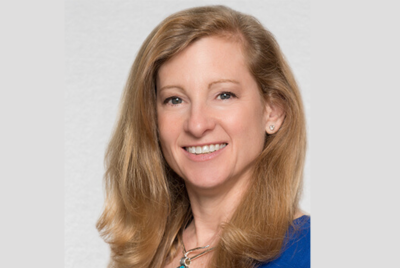
Sam Altman, CEO of OpenAI, publicly criticised Slack for producing what he described as 'fake work' in a November video—yet less than a month later, he appointed Slack's chief executive to head OpenAI's enterprise sales.
Denise Dresser, who had been CEO of Slack since late 2023, now faces the formidable task of transforming OpenAI's 3 million business subscribers into a multibillion-pound revenue stream. But Slack wasn't Altman's only target.
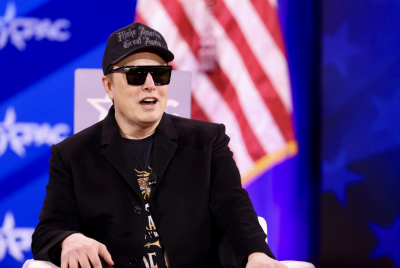
The video shows him criticising the entire productivity suite—from messaging tools to document editors—arguing they foster unnecessary human-to-human interaction. Google's Docs and Slides, along with Microsoft's email and collaboration platforms, were also in his sights. Elon Musk appeared to have hinted at it, posting on X that OpenAI would compete directly with Microsoft.
What Altman Wants to Build
So, what exactly did Altman propose to replace these tools? In the video, he described an 'AI-driven version' of workplace tools where 'your AI agent and my AI agent work most of the stuff out and escalate to us when necessary.' Human involvement would become optional—reserved only for decisions that require judgment.
He targeted the entire 'office productivity suite'—Docs, Slides, email, Slack, 'whatever'. But Altman's phrasing is notable: he called this 'a good solution for someone to make,' stopping short of confirming OpenAI's own plans.
In essence, this suggests Gmail, Outlook, Google Docs, Word, PowerPoint, Slack, and Teams—all could be replaced. Altman envisions AI managing routine communication and collaboration, with humans only involved when necessary.
His critique of 'tacked-on' AI features—the kind that misfire when you accidentally click—strikes a chord. Current tools often bolt AI onto existing interfaces as an afterthought. Altman's vision, however, involves rebuilding from scratch, with AI as the foundation rather than an add-on.
'Within reach' signals that this isn't science fiction. It's achievable now. Just one month after outlining this vision, he recruited the CEO of one of the tools he had just criticised.
Who's Selling It
Denise Dresser wasn't actively seeking a new role. She had been CEO of Slack since late 2023, after over a decade at Salesforce, which paid $27.7 billion for Slack in 2021. She had already helped scale Slack into a multibillion-pound enterprise.
But OpenAI's offer was compelling: convert its 800 million ChatGPT users into paying business customers. The challenge is stark—only 3 million of those users currently pay for business subscriptions, representing a mere 0.4%. As chief revenue officer, Dresser now oversees revenue strategy and enterprise sales for OpenAI's corporate clients, including Walmart, Morgan Stanley, Target, and Lowe's.
The scale of the opportunity is enormous. OpenAI generated approximately $4.3 billion in revenue in the first half of 2025, representing a 16% increase from the previous year, according to reports. Enterprise contracts typically generate 10 to a hundred times more revenue per customer than consumer subscriptions. While ChatGPT Plus costs $20 per month, enterprise deals can run into hundreds of thousands of pounds.
If Dresser can significantly improve the conversion rate, the financial impact could be substantial.
Is OpenAI Building This?
The appointment doesn't confirm that OpenAI is developing the productivity replacement Altman described, but the evidence is mounting. In June 2025, OpenAI launched workplace collaboration tools aimed 'to take on Microsoft', as VentureBeat reported. Dresser's expertise—selling productivity software to Fortune 500 companies—fits seamlessly if that's the direction.
Timing is notable. Altman revealed his vision in November, calling it 'within reach'. Just a month later, he hired someone with in-depth enterprise experience in the very tools he criticises: Docs, Slides, email, and messaging platforms.
While this isn't definitive proof, the connection is suggestive. If OpenAI does pursue this path, it raises complex questions. Dresser would be competing against Salesforce—the company she worked for for over 10 years and which still owns Slack. Microsoft, which has invested roughly $13 billion into OpenAI, would be watching as its partner develops rivals to Office 365 and Teams. The funding behind OpenAI already challenges the very products Microsoft relies on.
Everyone working in an office has a stake in this. Email, documents, Slack messages—the daily tools of work—could shift from interfaces designed for humans to systems where AI agents handle most interactions. Whether Dresser's appointment signals an imminent shift or simply an option under consideration remains unknown outside the company.
© Copyright IBTimes 2026. All rights reserved.
- MOST POPULAR IN Business