

Two Mums Killed Their Children: One Was Cleared Over Psychosis, Now Lindsay Clancy's Jury Must Decide Her Fate
As a New York mother is cleared over postpartum psychosis, a Massachusetts jury weighs whether Lindsay Clancy should be jailed or treated for the deaths of her three children
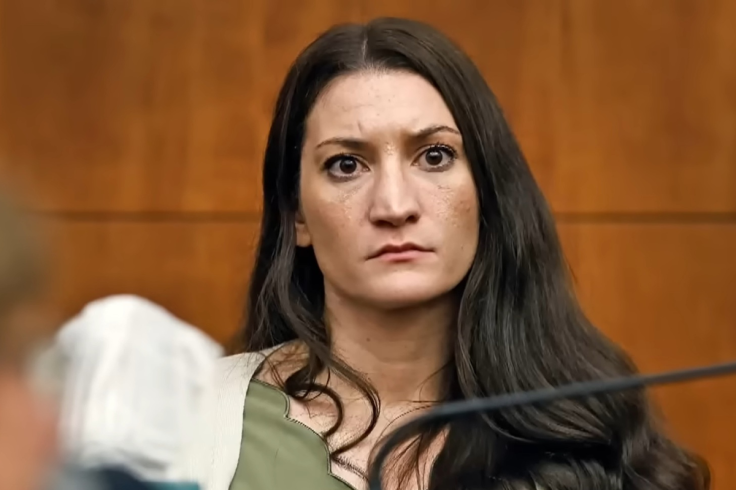
A Massachusetts jury has entered a third day of deliberations in the case of Lindsay Clancy, a former labour and delivery nurse charged with three counts of first‑degree murder for the deaths of her three children in January 2023.
Clancy's defence does not dispute that she caused the children's deaths but argues she was not criminally responsible because of severe postpartum psychosis, while prosecutors contend she understood the nature and wrongfulness of her actions.
The high‑profile case turns on how criminal law treats mental illness and postpartum psychosis, with jurors able to return verdicts of guilty of first‑degree murder, guilty of second‑degree murder, guilty of manslaughter, not guilty, or not guilty by reason of lack of criminal responsibility.
The deliberations come days after a Bronx judge found Dimone Fleming not criminally responsible by reason of mental disease or defect for the 2022 deaths of her two young sons at a family shelter, prompting comparisons between the two cases.
Postpartum Psychosis at the Heart of the Clancy Trial
Clancy, 36, of Duxbury, Massachusetts, is charged with three counts of first‑degree murder in connection with the deaths of her children, Cora, five, Dawson, three, and eight‑month‑old Callan, on 24 January 2023.
Prosecutors allege that Clancy strangled the children with exercise bands in the basement of the family home before attempting to take her own life, sustaining serious injuries in the suicide attempt.
Clancy's defence argues that severe mental illness, including postpartum psychosis, left her unable to appreciate the wrongfulness of her actions, with defence experts testifying that she was experiencing psychosis at the time of the killings.
Prosecutors have presented a different account, arguing that Clancy deliberately created an opportunity to carry out the killings and that her behaviour before, during and after the deaths showed she understood what she was doing and appreciated its wrongfulness.
Judge William Sullivan instructed jurors on five possible outcomes: first‑degree murder based on deliberate premeditation or extreme atrocity or cruelty; second‑degree murder; manslaughter; not guilty by reason of lack of criminal responsibility; or not guilty.
If convicted of first‑degree murder, Clancy faces life imprisonment without parole under Massachusetts law, while a second‑degree murder conviction carries a life sentence with eligibility for parole after a minimum term, and manslaughter is punishable by up to 20 years in state prison.
New York Case Ends With 'Not Criminally Responsible' Finding
The Clancy deliberations come days after a Bronx judge ruled that Dimone Fleming was not criminally responsible by reason of mental disease or defect for the deaths of her two sons in 2022, with the children, aged three and 11 months, found dead at a family shelter in the Bronx.
Evidence presented in Fleming's case indicated that she was experiencing severe psychosis at the time of the killings, with prosecution psychiatrist Dr Eric Goldsmith describing her as severely psychotic and detached from reality, with hallucinations and delusional beliefs including a conviction that the world was coming to an end.
Fleming's defence maintained that she believed her actions were necessary to protect or 'cleanse' her children, and the judge ultimately found her not criminally responsible by reason of mental disease or defect.
The Bronx judge's finding that Fleming was not criminally responsible does not determine the outcome of Clancy's case, as the two proceedings are governed by different state laws and involve separate evidence, although both focus on whether severe mental illness affected a mother's legal responsibility for the deaths of her children.
If Clancy Is Found Not Criminally Responsible
If the jury finds Clancy not guilty by reason of lack of criminal responsibility, that would not automatically mean she would be released, as Massachusetts law provides for a post‑verdict psychiatric observation and examination process, after which a petition for commitment may be filed if statutory requirements are met.
The jury spent about 10 hours deliberating on Thursday and Friday before returning on Monday, 31 August, for a third day of deliberations, with no verdict reached as of the latest available reports.
© Copyright IBTimes 2026. All rights reserved.