

Nipah Virus Less Contagious, But More Deadly Than COVID-19: Symptoms, How It Spreads, and Other Things To Know
Here's how you can get infected.
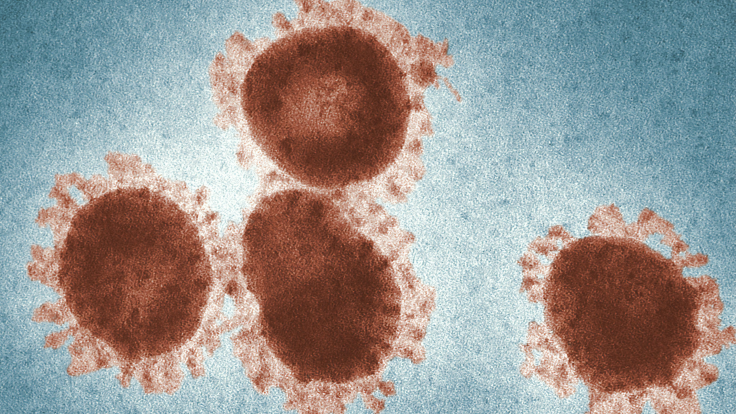
India has issued a nationwide health alert after a cluster of Nipah Virus infections emerged in West Bengal, with several cases confirmed among hospital staff.
The warning came this week after five cases were reported within days, including nurses, a doctor and a healthcare worker, raising fears of hospital-based transmission.
Around 100 people have been placed under home quarantine since the first case was confirmed on Monday, while surveillance has been stepped up across the country. The situation has revived public anxiety, as many now ask whether this rare virus could be more dangerous than COVID-19, even if it spreads less easily.
Is Nipah Virus the Same as COVID-19?
Although both diseases can cause severe illness, Nipah Virus and COVID-19 are caused by very different pathogens, as reported by NDTV. Nipah Virus is a paramyxovirus first identified in Malaysia in 1998, while COVID-19 is caused by SARS-CoV-2, a coronavirus. Both are zoonotic, meaning they originated in animals, especially fruit bats, but their behaviour in humans differs sharply.
COVID-19 spreads efficiently through airborne droplets, allowing rapid community transmission. Nipah Virus, by contrast, usually requires close contact with infected animals or people, which limits its spread but does not reduce its severity.
Nipah Virus More Deadly
Health authorities stress that COVID-19 remains far more contagious at a population level. However, the Nipah Virus carries a much higher risk of death once infection occurs. Mortality rates in past outbreaks have ranged from 40 per cent to 75 per cent, with some episodes reporting even higher figures.
The virus can cause acute respiratory failure and severe neurological damage, including inflammation of the brain. Because of this combination of lethality and outbreak potential, Nipah Virus is classified as a Biosafety Level 4 pathogen and is listed by the World Health Organisation as a priority for research.
How You Can Get Infected
Transmission of the Nipah Virus usually begins with animals. Fruit bats are the natural reservoir, and pigs can also carry the virus. Humans may become infected through direct contact with these animals or their bodily fluids. Another route is contaminated food, particularly fruit or raw date palm sap exposed to bat saliva or urine.
Limited human-to-human spread has also been documented, mainly among family members and healthcare workers providing close care. In the current West Bengal outbreak, officials believe two nurses were infected while treating a patient who later died before being tested.
Nipah Virus Symptoms to Look Out For
The incubation period for Nipah Virus is typically between five and 14 days. Early signs can appear mild, which complicates detection. Common symptoms include fever, headaches, dizziness, nausea and vomiting, along with cough or breathing difficulties.
In more serious cases, the infection progresses to encephalitis, leading to confusion, seizures and coma. Deterioration can be rapid once neurological symptoms develop, making early medical attention critical.
Prevention Tips While Waiting for Vaccines
There is currently no approved vaccine or specific antiviral treatment for Nipah Virus, leaving prevention as the main defence. Dr. Neha Mishra has stressed that 'prevention remains the most effective strategy', pointing to simple but vital measures.
These include avoiding contact with bats and sick animals, washing and peeling fruit thoroughly, and steering clear of raw date palm sap. Good hand hygiene is essential, while healthcare workers are advised to use appropriate personal protective equipment.
As authorities monitor the situation, these precautions remain key to limiting further spread.
© Copyright IBTimes 2026. All rights reserved.