

Oil Prices Hold Modest Gains — '$30s Pump Drop Still Possible', Experts Say
JP Morgan warns Brent crude could plunge into the $30s by 2027 as OPEC+ unwinds cuts and global inventories swell to record levels
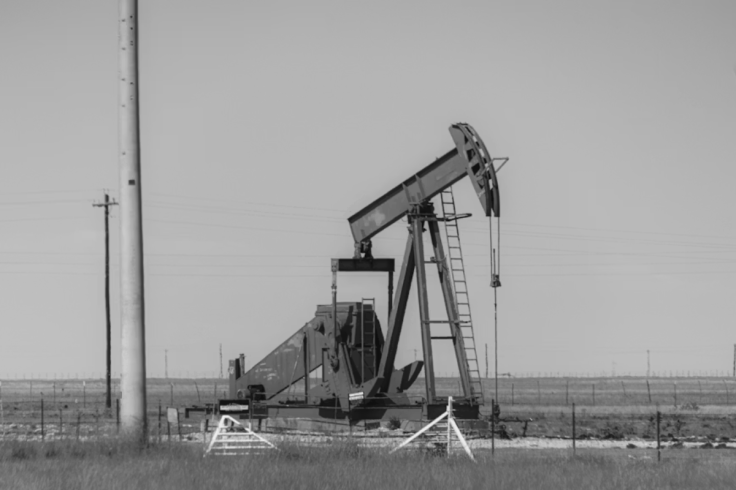
Global oil prices held modest gains today, 4 December, after increasing 0.4% in the previous session. Investors remain cautious amid escalating US-Venezuela tensions and uncertainty over Ukraine ceasefire talks, against a backdrop of mounting concerns over a record supply surplus that could send crude tumbling to levels not seen in decades.
Brent crude traded around £47.20 ($63) per barrel, while West Texas Intermediate hovered near £44.21 ($59). Both benchmarks are on course for annual losses, as OPEC+ continues to gradually restore idled production and demand growth stalls across key markets.
Wall Street Warns of a Historic Price Collapse
JP Morgan has issued one of its most striking forecasts in recent months, warning that if OPEC does not intervene to address the swelling supply glut, Brent crude could fall into the low $50s per barrel by late 2026, potentially closing that year in the $40s.
The bank's outlook worsens further into 2027. JP Morgan projects a growing surplus could push Brent to an average of just £31.47 ($42) per barrel, sinking into the $30s by the end of that year — the lowest sustained crude prices since the pandemic-era collapse.
'No matter how much demand is going to come in, you just have a lot of supply,' said Saad Rahim, Chief Economist at Trafigura Group, speaking at the Financial Times Commodities Asia Summit in Singapore. 'The path of least resistance for prices is likely down.'
What $30 Oil Price Could Mean for Consumers
If crude prices fall into the £22.48–£26.22 ($30–$35) range, motorists could see significant savings. Industry calculations suggest that roughly 67% of pump prices are linked to crude costs, meaning petrol prices could drop by 25–40%, according to analysts.
Goldman Sachs forecasts WTI crude will average around £39.71 ($53) per barrel in 2026, amid an oversupply of about 2 million barrels per day. The US Energy Information Administration (EIA) expects retail petrol prices to fall below £2.25 ($3) per gallon on average in 2026—a 10% decrease from 2024.
In the US, petrol prices have already dropped below £2.25 ($3) per gallon for the first time since May 2021, with the national average at £2.26 ($2.999) per gallon this week, according to AAA data.
OPEC+ Balances Revenue and Market Share
Earlier this month, OPEC+ agreed to increase December output targets by 137,000 barrels per day, continuing a gradual unwinding of voluntary cuts that began in April. However, the alliance also announced a pause on production increases in January, February, and March 2026, citing concerns about seasonal demand weakness and a potential supply glut.
Since April, OPEC+ has unwound approximately 2.9 million barrels per day of cuts—roughly 2.7% of global supply—despite demand remaining sluggish, according to Rystad Energy.
Geopolitical Tensions Add to Market Uncertainty
Venezuela remains a source of ongoing concern amid escalating tensions with the US. The country holds the world's largest proven oil reserves, estimated at 303 billion barrels.
'The Venezuela situation warrants caution,' said Gao Jian, an analyst at Qisheng Futures Co. 'However, supply fundamentals continue to exert bearish pressure on crude oil.'
Meanwhile, diplomatic efforts surrounding a Ukraine peace deal remain uncertain. Talks between US and Russian officials continue, but no clear resolution appears imminent.
Persistent Demand Headwinds
Chinese demand, which helped support oil prices earlier this year, is expected to remain subdued until at least mid-2026, according to Janet Hong, CEO of Hengli Petrochemical International.
US crude inventories increased by 574,000 barrels last week, with petrol and diesel stocks also rising—further evidence that supply continues to outpace consumption.
For consumers, the prospect of significantly lower fuel prices offers rare relief amid ongoing inflation pressures in other sectors. For oil producers, however, the coming months could prove challenging as the market faces what analysts warn could be an unprecedented supply glut.
© Copyright IBTimes 2026. All rights reserved.