

Rob Reiner Murder Case: Experts Fear 'Contagious' Wave of Violence After Reiner Killings
Experts fear Rob Reiner murder case could spark wave of copycat family killings across America

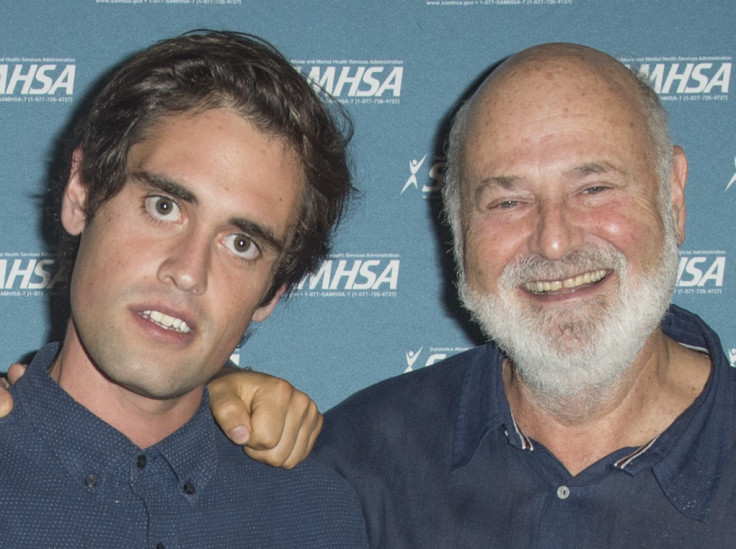
A family's quiet morning turned into a tragedy that would reverberate far beyond one Texas neighbourhood — and raise alarming questions about whether America is witnessing a disturbing surge in familial violence. When police officers forced their way into a McKinney home on Sunday, Dec. 30, searching for an elderly couple who had not been heard from in days, they discovered something that would shake a community and fuel nationwide concerns about copycat family killings.
The discovery came after relatives grew worried about Jackie and Leonard Frank Ragan, aged 72 and 73 respectively, prompting a welfare check. What unfolded inside that house would horrify seasoned law enforcement and senior city officials alike — and draw uncomfortable parallels to another high-profile family tragedy that had dominated headlines just weeks before.
The Ragan Family Killings
Officers found Jackie and Leonard dead in their living room. Their son, Bryce Ragan, was discovered in a nearby bedroom holding a firearm. When he allegedly refused to drop the weapon, officers fired multiple times. Bryce was transported to hospital in stable condition and has since been charged with capital murder of multiple persons and three counts of aggravated assault of a public servant. The Texas Rangers are conducting a separate investigation into the officer-involved shooting.

The location itself held significance within the community. Leonard had served as McKinney's city manager from March 2008 until June 2010, a tenure that left him respected among municipal leadership. Paul Grimes, the city's current manager, released a statement: 'Our condolences and prayers are with the family. We are unable to comment further whilst this is an active investigation'.
The reaction from family members painted a picture of a household marked by silent suffering. Jackie's brother, David Foster, who had requested the welfare check after officers had visited the home multiple times before forcing entry, posted on Facebook with raw emotion: 'What in the hell is wrong with the world today?' Foster revealed that his nephew, Bryce, had been a high-achieving student but had battled mental health struggles as an adult. 'Mental problems have turned into a plague in the U.S.A.,' he declared. 'I am at such a loss,' Foster added, capturing the bewilderment that now gripped the family.
Neighbours struggled to process the shock. Nate Barrett, who lived nearby, expressed what many in the usually quiet area felt: 'It's very shocking. It's always something you never expect in your own neighbourhood... You always hear about this on the news'.
Brian Loughmiller, a former McKinney mayor who had worked with Leonard, recalled: 'I was shocked. Over the holidays, the vision you have of everybody is: it's such a happy time, a celebratory time. Just reminds you it's not always the case'. Another former mayor, George Fuller, simply stated: 'No words to make sense of something like this'.
The Reiner Connection: Fears Of Copycat Family Bloodbaths
Yet what made this tragedy particularly unsettling to law enforcement was its proximity — both temporal and thematic — to another nationally prominent family killing. Filmmaker Rob Reiner, 78, and his wife Michele Reiner, 70, were found stabbed to death in their Brentwood, California home in mid-December. Their son, Nick Reiner, 32, has been arrested and charged in connection with their deaths.
Fuller articulated the disquieting pattern: 'This is on the heels of a nationally known tragedy, you know, with Rob Reiner, and so when you have a family member, or appears to be a family member, commit this crime, it's just really unbelievable, it's surreal, it's heartbreaking'.
Criminologists are now sounding the alarm. A Texas-based violence prevention researcher warned: 'When high-profile incidents involving family annihilation dominate headlines, it can lower the psychological barrier for others in crisis'. A former federal law enforcement official added a chilling assessment: 'These cases are rare, but clusters can create a sense that this kind of violence is somehow contagious'.
The worry among authorities across the nation is real and palpable. Fears that the Reiner murders might spark sick copycat killings have taken hold, and there is mounting paranoia within households harbouring troubled family members. The question haunting law enforcement is whether intensive media coverage of such tragedies inadvertently provides a blueprint for the desperate and disturbed.
© Copyright IBTimes 2026. All rights reserved.