

5 Months Pregnant and Earning a High Six-Figure Salary at Amazon, She Quit to Build Her Own Business
The former Amazon, Apple, and Meta executive has raised about $1 million for YouPop
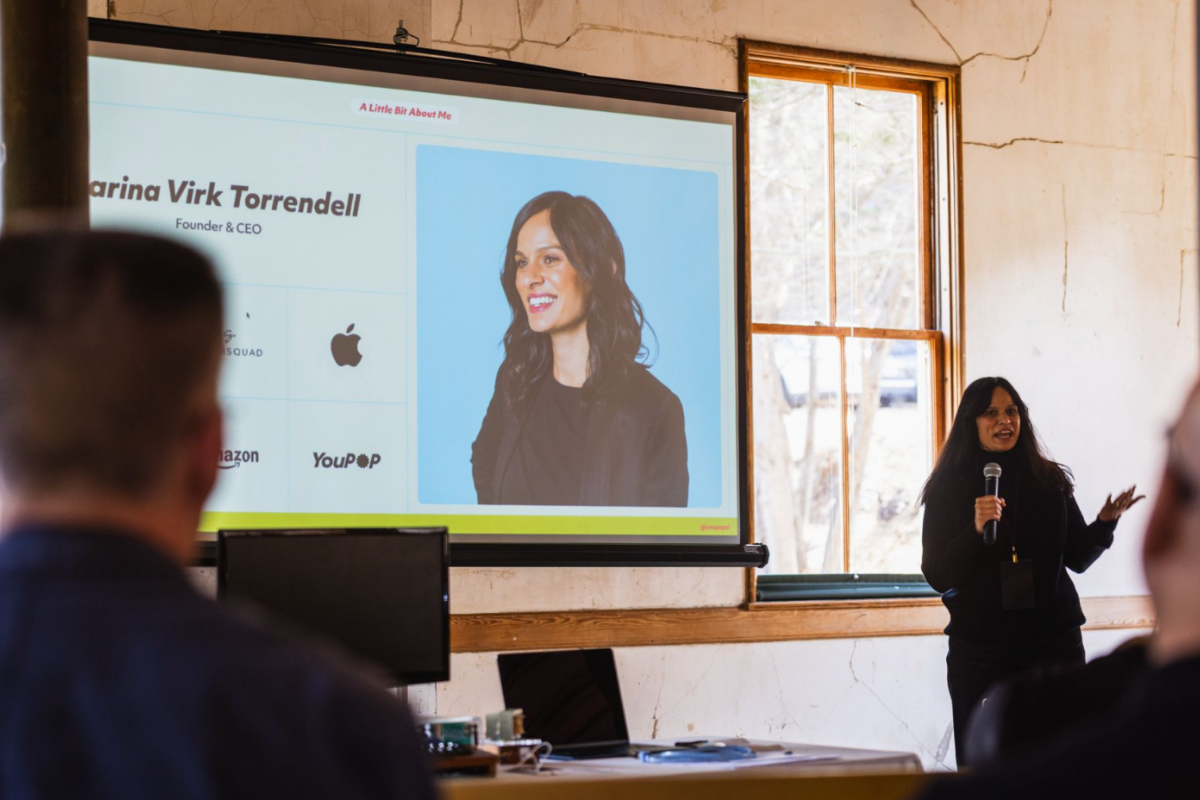
Sarina Virk Torrendell was five months pregnant with her third child and earning a high six-figure salary at Amazon when she quit in September 2025 to build YouPop. This artificial intelligence platform helps content creators run their work as a business.
A year on, the New York-based startup has raised about $1 million (£750,000) in pre-seed funding, opened a private beta in August, and built a waitlist approaching 1,000 people, Torrendell told Entrepreneur in an interview published on 6 October. It has not yet reported revenue.
'There is just a massive opportunity ahead of us,' said Torrendell, 40. 'We're really setting out to build the next unicorn in this space.' She acknowledged that leaving 'was certainly risky', but feared waiting would mean missing the market.
Family Urged Her to Wait for the Baby
At the time, she already had two children, and her Amazon pay was enough to support a family in New York City. Relatives and friends pointed to what she would lose, including that salary, paid maternity leave, and the stability of a large employer.
Her husband, whom she calls her biggest supporter, initially questioned the timing. 'I don't think this is the moment to do this. Why don't you wait until you have the baby?' she recalled him telling her.
She set herself a 90-day deadline to raise enough money to start building, with a return to the job market as her fallback. 'I had all the scenarios mapped out,' she said. 'And I also just had high conviction in myself.'
Speaking to the Nonlinear News newsletter in August, she said the decision meant 'walking away from a lot of stock and a very comfortable position.' She has since given birth and now has three children under five.
From Postmates Employee No. 12 to Amazon
Torrendell's two-decade career began outside technology. A Bay Area native, she worked in human rights advocacy in Washington, DC, then studied international affairs at Columbia University, where a 2010 business school class drew her to Silicon Valley.
She joined on-demand delivery start-up Postmates as its 12th employee and helped launch it in its first markets. 'I was 25, and some of my confidence came from not knowing enough to overthink it,' she told Nonlinear News.
She later founded an e-commerce handbag company and ran growth operations at beauty-services firm Glamsquad, before returning to Postmates to lead retail partnerships and launch its alcohol and grocery categories. Uber bought Postmates in an all-stock deal valued at about $2.65 billion (£1.99 billion), completed in December 2020.
In 2018, she moved to Apple to lead global App Store partner marketing, later working on Apple Pay. At Meta, she worked in product marketing as small businesses moved online during the pandemic. She then spent about three years at Amazon on creator partnerships and live shopping.
How She Raised $1 Million
As a solo founder, Torrendell kept the fundraise tight, pitching only investors who understood consumer technology and the creator economy. 'I didn't take a million meetings. I probably had 20, and every single one was a warm intro,' she said.
Once the money was in, YouPop built its beta in about five and a half months. Her early hires included a chief of staff and a principal AI engineer.
What YouPop Does
The idea came from conversations with creators she knew. Asked about their pain points, she told Nonlinear News: 'The biggest one was that they were using too many tools that didn't really serve them, and the analytics were terrible.'
Torrendell calls YouPop an 'agentic operating system' for creators who earn through several channels at once, from courses and books to podcasts, speaking, and brand deals. It pulls their data from different platforms into one dashboard, suggests new income streams, and can draft material such as a book proposal.
YouPop plans to charge creators a fee to use the platform. Its biggest challenge is technical, Entrepreneur reported: turning scattered data from a creator's online presence into reliable recommendations.
Betting on Creators With Day Jobs
Goldman Sachs Research projects the creator economy could reach $480 billion (£360 billion) by 2027, up from about $250 billion (£188 billion) in 2023, with brand deals making up roughly 70% of creator income.
Torrendell is targeting creators who earn beyond sponsorships. She said the scale of the opportunity had surprised her, particularly the number of professionals with traditional jobs now building public expertise online.
Running the company with three young children depends on paid help, including a nanny and rotating babysitters, she said. 'This whole 996 culture doesn't work for parents,' she added, referring to the 9 a.m. to 9 p.m., six-day week seen in parts of the tech industry.
© Copyright IBTimes 2026. All rights reserved.