Amazon Worker Says He Quit Mid-Shift but Kept Getting Scheduled for More Than Two Weeks
TikTok allegation raises questions about Amazon's staffing system, but claims remain unverified
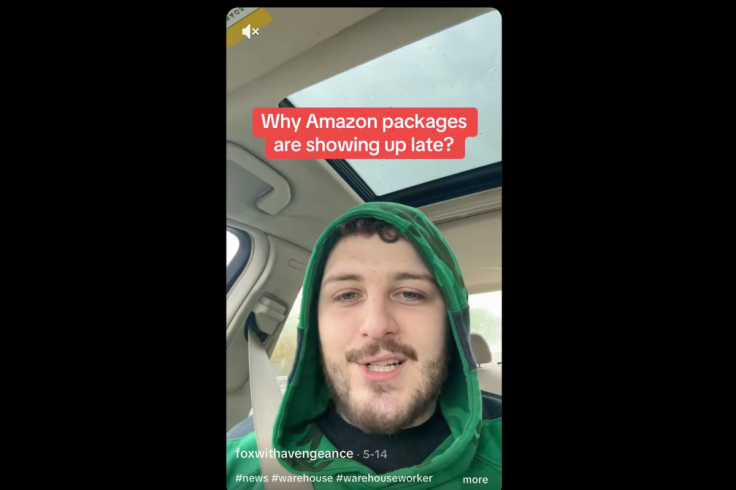
A former Amazon worker says he quit mid-shift but kept getting scheduled for more than two weeks, an allegation that has drawn attention on social media and raised questions about how the company's staffing systems handle departures.
The man, identified in reports as a former Amazon fulfilment associate, posted on TikTok in May 2026 under the handle @foxwithavengeance, claiming he handed his badge to security, told management he was leaving and yet continued to appear on the rota for more than two weeks.
To recall, Amazon's own operations and recruiting materials describe fulfilment roles as involving staffing plans, schedules, attendance and headcount oversight, alongside throughput and ship-out performance targets.
For context, the video resurfaced in September 2026 through coverage from We Got This Covered and The Daily Dot, which reported that it had attracted tens of thousands of views and hundreds of comments.
Worker's Claim Raises Questions About Amazon's Scheduling System
According to the TikToker's account, his profile remained active in Amazon's internal scheduling platform long after he walked out of the fulfilment centre. He said the system continued to assign him nightly shifts, despite his having surrendered his access badge and informed managers that he would not return.
The worker claimed that keeping his profile active could prevent another employee from being assigned to the same slot, although this was not independently verified.
He estimated that his lingering presence on the schedule resulted in roughly 500 fewer packages being processed each night at his facility, a figure he could not independently verify.
The video prompted a flood of responses from current and former logistics staff. Several commenters said they had encountered similar issues, with one user writing that they quit in 2017 but still appeared listed as an active employee in Amazon's system, with a counter showing a nine-year employment span.
Another commenter blamed the company's increasing reliance on automated systems, writing, 'My dude. Scheduling is run by AI now. I used to work for the department. It's all AI now. Even the packages scheduled to go out.'
Anonymous anecdotes do not establish how Amazon's internal workforce software operates, and the claims could not be independently verified.
What the thread does illustrate, however, is broader discussion about automated staffing tools in an industry where human oversight can already feel thin.
Staffing Metrics and Customer Experience
The former employee's central contention is that scheduling lags can ripple outward, affecting both warehouse productivity and end-user experience. In high-volume fulfilment centres, staffing levels are calibrated to meet delivery windows, and Amazon's own job listings confirm that operations roles involve monitoring attendance, headcount and throughput.
One user in the comments offered a tangential anecdote, describing two packages delivered to the same address by different drivers on the same day and calling it 'a waste of gas and time'.
Whether or not that specific incident ties directly to scheduling errors, it underscores how small inefficiencies can compound into visible customer frustrations.
The TikToker's advice to shoppers was blunt: if you want your parcel to arrive on time, you might have no choice but to buy your products in stores. It captures the frustration expressed by some workers and customers when systems designed to streamline delivery appear to introduce new friction.
Amazon has not publicly commented on the specific allegation. The company's operations roles explicitly reference staffing plans, schedules, attendance and headcount, alongside throughput and ship-out performance, but do not establish the specific AI claim made by the commenter.
© Copyright IBTimes 2026. All rights reserved.
- Recommended For You