Saved by ChatGPT: Widow's £1M Scam Confirmed—Her Home Still at Risk
The AI stopped her from losing another million—but couldn't reverse the damage to her retirement savings and her home
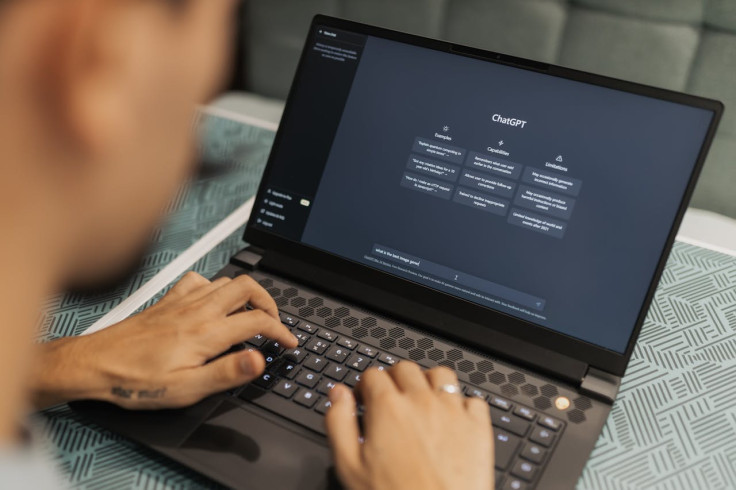
Margaret Loke typed a question into ChatGPT. The AI's response was clear and straightforward: this was a scam. By the time she realised the truth, almost £1 million had disappeared. Her home was next in line.
The widow in her 70s from San Jose withdrew £672,000 from her entire IRA retirement savings and borrowed another £300,000 through a second mortgage on her previously paid-off house. All of it was transferred to a scammer posing as a romantic interest.
She met 'Ed' on Facebook in May 2025. Months of systematic grooming followed. When she finally sought advice from ChatGPT about her investments, the money was already sitting in a Malaysian bank account controlled by the scammer.
Now, she faces the real threat of losing her retirement home.
How Daily 'Good Morning' Texts Became a $1M Trap
It's easy to assume you would recognise a scam immediately. Margaret Loke didn't.
The relationship began innocuously when 'Ed' sent her a Facebook message. He claimed to be a businessman of Chinese descent. They started chatting online, then moved to WhatsApp. Daily 'good morning' texts followed, along with what Loke described as 'sweet talk'.
She called him 'love'. He called her 'honey'. The emotional intimacy felt genuine—until it wasn't.
Over the course of months, he introduced an investment opportunity: a cryptocurrency platform promising extraordinary returns. Loke liquidated her entire retirement savings and took out a sizeable loan against her home—assets she had spent decades building. The money was transferred to a Malaysian bank account under the scammer's control.
The platform showed her account growing. The promised returns appeared impressive. But when she tried to withdraw her supposed profits, she hit a wall. The account was frozen.
She couldn't access a penny.
When the Scammer Asked for Another $1M
The scammer wasn't finished. To 'unfreeze' her account and access her 'profits', he demanded another £1 million.
Another million? That was the moment Margaret finally questioned whether something was wrong. For the first time in months, doubt crept in. She needed a reality check. She turned to ChatGPT.
The AI's verdict was immediate. 'ChatGPT told me no, this is a scam, you better go to police station,' she recalls. She did exactly that. But by then, the damage was done.
The scammer left a voice message threatening legal action. Police are now investigating. The money, which was sent to a Malaysian bank account, is virtually untouchable. Margaret has lost her life savings and now faces hefty tax penalties for early withdrawal of her retirement funds.
The IRS will treat the £672,000 she withdrew as taxable income. The second mortgage on her home only exacerbates her financial crisis.
'Pig Butchering' Scams Surge 300%
Margaret's story is not unique. Holiday season crypto scams surged by 300% this year.
This type of scam has a name: 'pig butchering'—a process where scammers emotionally fatten up their targets before draining them dry. They spend months sending daily messages and fostering fake intimacy. Then they proceed to steal everything.
One in three Americans has fallen victim to this type of scam, according to recent surveys.
Elderly individuals are particularly vulnerable. Widows and widowers often offer both their savings and emotional vulnerability as easy targets.
Margaret believed the platform was legitimate. It wasn't. Her money was sent straight into a Malaysian bank account under the scammer's control.
Looking back, the red flags seem obvious now: an unfamiliar platform, a boyfriend who kept talking about investments, withdrawals that wouldn't process. But at the time, she didn't see them. The relationship felt real.
ChatGPT saved Margaret from losing another £1 million when the scammer demanded even more money. But it couldn't undo what was already lost. She is now facing homelessness at 70 because she asked the right question too late.
© Copyright IBTimes 2026. All rights reserved.
- MOST POPULAR IN Personal Finance