'This is NOT a Footwear Ad!': Outrage as Aussie Brand Uses Little Girls in Bikinis to Sell Sandals
Parents blast Billini campaign as 'disgusting' and 'completely inappropriate'
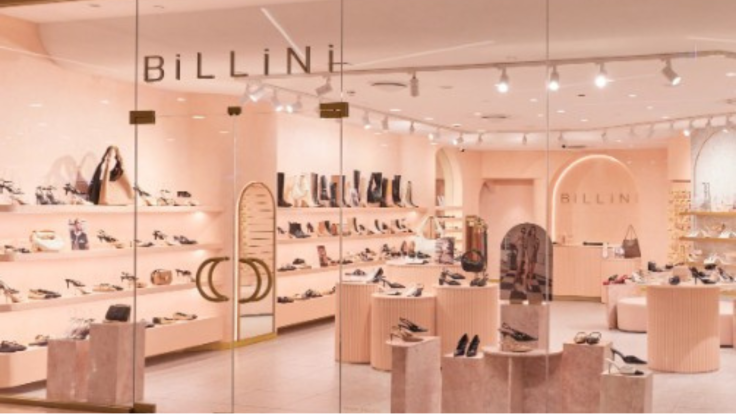
An Australian fashion brand has found itself at the centre of a growing international firestorm after launching a children's sandals campaign showing young girls posing beside a swimming pool in bikinis.
Billini's newly released 'Mini Summer 25' collection, designed to promote its range of children's footwear, has provoked anger across Australia and the UK, with parents and influencers accusing the company of 'sexualising minors' and using 'deeply inappropriate' imagery to sell shoes.
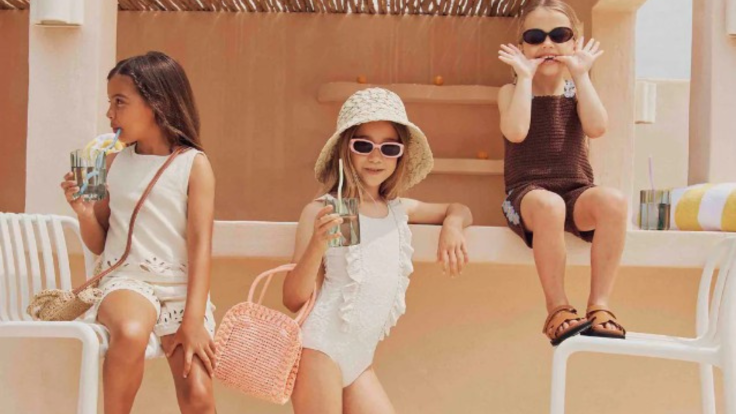
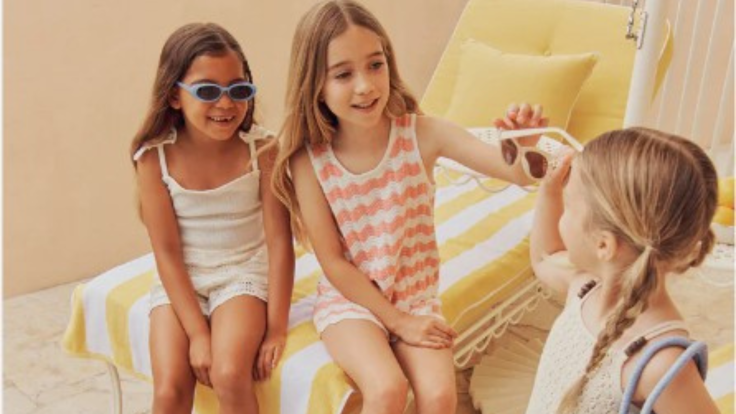
The campaign, which appeared on the brand's website, Instagram, TikTok and paid social advertising feeds, features girls believed to be around seven years old lounging on sunbeds, taking mirror selfies and sitting by a pool wearing brightly coloured two-piece swimsuits paired with strappy sandals.
While Billini intended the campaign to celebrate summer fashion and childhood fun, critics say the styling blurred the line between age-appropriate marketing and adult modelling aesthetics.
One furious social media user wrote: 'If you cannot tell what product is being advertised, then the whole thing has failed. This is not a footwear ad.'
Another added: 'It looks like a swimwear campaign, not shoes for children.'
Viral Backlash Explodes Online
Screenshots from the campaign spread rapidly across TikTok and Instagram, where influencers and parents condemned the visuals as 'tone-deaf', 'creepy' and 'dangerous'. Within hours, the controversy had become one of the most shared topics across parenting forums and safeguarding communities.
Beauty influencer Jillie Clark was among the first high-profile voices to speak out. Posting to TikTok, she said she was 'especially shocked' by the advert after previously supporting the brand.
She claimed the children 'couldn't be any older than seven years old' and questioned why swimwear had been chosen as the styling focus when Billini does not sell bikinis.
'They're not promoting swimwear. They're supposed to be selling shoes,' Clark said. 'To choose bikinis as the outfit for children in a marketing campaign is completely unacceptable. Just because something passes legal standards does not make it ethical.'
Her video quickly racked up hundreds of thousands of views, with the comment section flooded by parents echoing outrage.
'Legal doesn't mean safe,' one mother wrote. 'This is mind-boggling. Children don't need to be styled like adults,' another added.
UK Parents Join the Outcry
The backlash has also gained momentum in Britain, where child-protection concerns around advertising have been a long-running issue following previous scandals involving padded bikini tops and sexualised kids' clothing.
British parenting communities took particular issue with the campaign's poolside poses, mirror selfies and sunglasses styling, which they described as mimicking adult influencer behaviour.
Several viewers said the imagery did not clearly advertise shoes at all, further fuelling criticism that the visuals were 'gratuitous' rather than product-focused.
Advertising watchdogs in the UK, including the Advertising Standards Authority (ASA), are understood to have received complaints and are monitoring the controversy.
Billini Responds to the Criticism
As pressure mounted, Billini issued a statement insisting the shoot complied with all regulations.
The company said the content was created 'in line with Australian child safety laws' and carried out with 'strict parental supervision and full parental approval'.
Billini added that it was 'reviewing feedback to ensure future content aligns with its values and community expectations'.
'Thank you for calling our attention to this,' the company wrote in response to critics online. 'We completely hear your concerns and are taking the matter seriously to ensure our content always protects child safety.'
Despite the assurances, many consumers argue the brand's response does not address the ethical concerns driving the backlash.
Industry Fallout and Brand Impact
Marketing analysts warn Billini could face lasting reputational damage from the controversy, particularly with parents who represent a central buying demographic for children's fashion brands.
Consumer trust can be quickly eroded in cases involving child safety, experts say, with online boycotts and retailer pressure often following viral campaigns.
Safeguarding groups have called for tighter creative review processes when children are featured in commercial advertising, pointing out that social media amplification increases risks beyond traditional print campaigns of the past.
The controversy has already sparked broader industry reflection on how minors are portrayed in influencer style marketing shoots that increasingly mirror adult aesthetics.
One concerned parent summed up the public mood: 'Children should be allowed to look like children. There is nothing fashionable about turning them into miniature adults.'
As the backlash continues to gather pace online, Billini faces a mounting test of whether damage control alone will be enough to preserve its brand image in the family fashion market.
© Copyright IBTimes 2025. All rights reserved.
- MOST POPULAR IN Business