

AT&T Staff Outrage Prompts CEO Stankey to Regret 'Work From Office or Quit' Memo
Stankey said he could have handled the communication differently

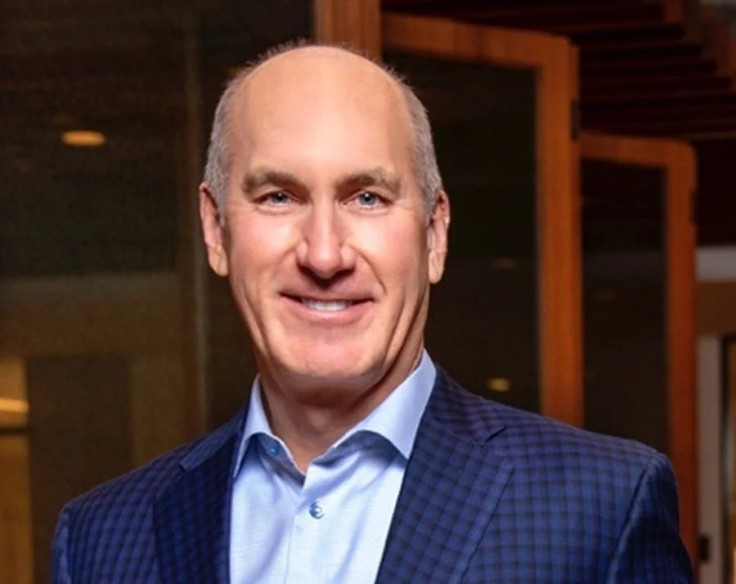
AT&T CEO John Stankey expressed regret regarding an August internal memo that urged staff to work from office or quit the company. Stankey said he could have handled the communication differently, while explaining that the company was merely attempting to reevaluate expectations around workplace presence.
He acknowledged that the memo came across as blunt after it triggered criticism from employees. Stankey indicated that AT&T had been slow to implement the cultural transformation it sought, and the wider context should have been communicated with more transparency.
Mandates on working from the office are clashing with the routines and habits that workers have developed over the years, working remotely or in a hybrid arrangement, since the COVID-19 pandemic.
Stankey had mandated a five-day return-to-office policy, and those seeking remote or hybrid work arrangements will have a difficult time aligning with company goals.
'We run a dynamic, customer-facing business, tackling large-scale, challenging initiatives. If the requirement dictated by this dynamic does not align with your personal desires, you have every right to find a career opportunity that is suitable to your aspirations,' he had stated.
Stankey Maintains Return-to-Office Policy
While Stankey said he made a mistake in addressing the company's cultural shift to a more 'market-based culture', he did not reverse the work-from-office directive.
The executive explained at the Wall Street Journal CEO Council Summit that his error was waiting too long to send the directive, and he should have prioritised cultural evolution from the start of his tenure as CEO.
He added that the memo shouldn't be 'over-rotated,' adding that the framework in the directive was designed to empower leaders to make decisive changes in the company.
This approach reflects the reality for major employers that the roadmap to reach prepandemic in-person attendance could either build trust or destroy it.
Focus on AI Upskilling
At the Summit, Stankey also highlighted that the adoption of artificial intelligence among employees is a crucial part of the cultural reset.
The CEO said that the company is offering tutorials and educational tools to employees for upskilling, and that he monitors how they are leveraging the tools to advance their work.
'I want to see who is building their skill set, where they are building, and this is just the next set of skills that people are going to have to have,' he said.
Overall, Stankey's suggestions reflect that the viral memo that led to sharp criticism was not a mistake, but the timing was.
Workplace culture specialists believe in phased transitions and better communication of goals. For corporate leaders, this episode is a reminder that return-to-office decisions now sit at the centre of employee relations. The debate is no longer just about where work happens, but about how executives fix expectations, listen to concerns, and persuade people that the trade-offs are worth it.
© Copyright IBTimes 2026. All rights reserved.