Toby Li Spent Years Explaining Spaceflight Before He Began Building for the Moon
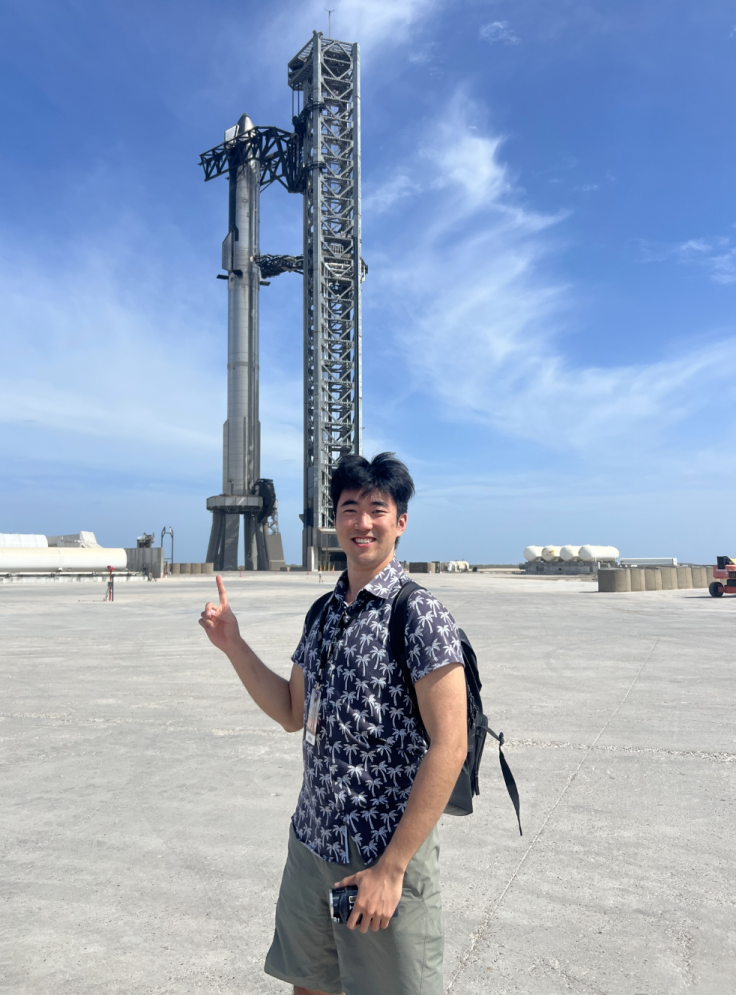
At SpaceX's South Texas launch facility in 2022, Elon Musk gave a presentation with the Starship rocket towering on the launch pad behind him. Toby Li watched as an invited guest and experienced a full-circle moment. Five years earlier, he was inspired to become an engineer through a video introducing SpaceX's plans for a next-generation Mars rocket. By the time he saw it in person, Li's career was well on its way.
"I remember standing underneath the launch pad, looking up at Starship, overcome with emotion, knowing that this was the beginning of humanity's future among the stars," Li says. "I felt that I had to work harder to earn a place in the frontlines of that future."
Li is now the co-founder and CEO of InSitu Space, where he is helping develop a hopper spacecraft for moving cargo across the lunar surface. Public communication became one of his earliest entry points into spaceflight, before he completed an aerospace engineering degree or began working with propulsion systems. His reporting, technical education, and company leadership have since become parts of the same career.
In 2017, Li was a high school freshman when he came across a video unveiling Starship. The idea of people living beyond Earth gave his interest in space a more specific direction. He began to see spaceflight as a field in which he wanted to participate and started looking for ways to become involved.
"Plenty of people are fascinated by space when they are young," Li says. "For me, that interest kept growing until it started shaping the decisions I made."
Two years later, he launched an independent human-spaceflight news platform. Li wanted to share the industry with a wider audience and develop relationships with people already working in it. He began reporting while still in high school, creating an entry point before he held a formal position in aerospace.
The platform has since accumulated more than 40 million lifetime views. Li has received credentialed media access to SpaceX and Axiom Space missions and events. His reporting also led to interviews with the BBC about Polaris Dawn, N1 about NASA's Perseverance rover, and TickerNews about SpaceX's delivery of Starlink service to Ukraine.
"I did not want to wait until someone gave me a role," Li says. "Reporting gave me a reason to keep learning and start conversations with people who had already built careers in spaceflight."
Those relationships continued into college and gave Li people he could approach for guidance as his technical work developed. Reporting also required him to explain specialized subjects in language that a general audience could follow. That experience now shapes how he describes InSitu Space and the lunar transportation problem outside the engineering team.
The SpaceX event in 2022 changed how Li viewed his own progress. He was a college freshman surrounded by some of the brightest engineers on Earth and journalists of leading outlets, and he remembers feeling the pull of imposter syndrome. His response was to concentrate on developing the skills that would allow him to contribute.
"I could succumb to that feeling, or I could keep working and learning," he says. "I decided to keep working."
Li earned a bachelor's degree in aerospace engineering from the University of California, Davis, in June 2025 and is completing a master's degree in astronautical engineering at the University of Southern California. His practical experience has moved him beyond reporting and into the systems that make spaceflight possible.
Through the International Institute for Astronautical Sciences, Li worked directly with Final Frontier's IVA spacesuit. At the USC Liquid Propulsion Laboratory, he served as a Responsible Engineer, gained hands-on experience with high-pressure fluid systems, and led a team developing rocket-propulsion systems. He also helped construct an analog deep-space habitat for NASA HOME research under former astronaut Dr. Stephen Robinson.
"Reporting on spaceflight allowed me to develop the skills to break down complex topics and find a clear way to explain that to a general audience," Li says. "Engineering gave me the tools to go from covering the lunar economy to building the infrastructure for it."
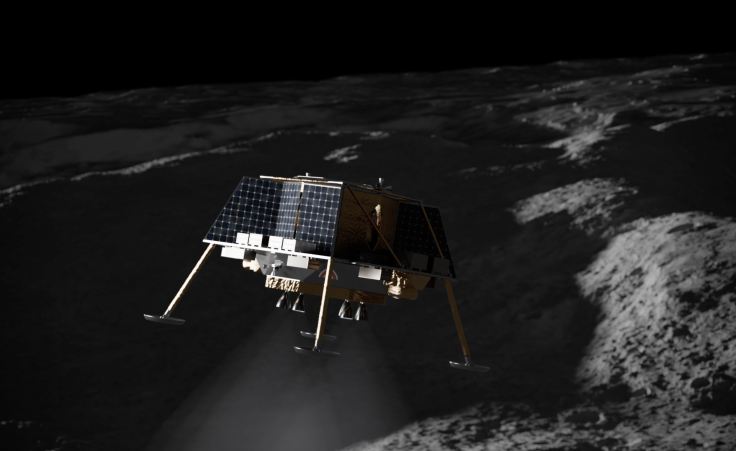
Those experiences now inform his position at InSitu Space. The company is developing Daedalus, a lunar hopper intended to move cargo between locations after a lander reaches the Moon. Li has shifted from covering spacecraft developed by other organizations to helping guide the work behind one his own company intends to fly.
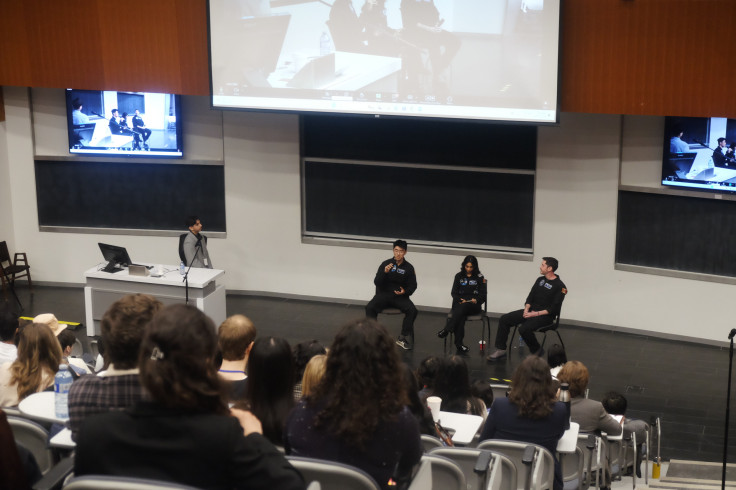
The change has not ended his work as a spaceflight communicator. Li continues reporting while building InSitu Space, and that work has led to public speaking opportunities. In 2025, he appeared as a panelist at the Canadian Space Conference.
Li says the combination of hands-on aerospace work and strong communication skills has shaped how he approaches both engineering and outreach. His media platform gave him early access to conversations across the industry, while his engineering education allowed him to understand the systems behind those discussions in greater depth.
"I never saw communication and engineering as separate paths," Li says. "One makes me a better builder, and the other makes other people care about what we're building."
InSitu Space now occupies most of his time. Li is focused on leading the company and moving Daedalus through development. The responsibility is different from reporting on another organization's mission because the decisions now affect hardware, schedules, and the direction of a company he helped create.
Li once built an audience by explaining where spaceflight was heading. He is now helping move his own company's spacecraft toward testing and eventual flight, bringing his work as a communicator and aerospace engineer into the same mission.
© Copyright IBTimes 2026. All rights reserved.
- Recommended For You