

Trump Says 'Nobody Wants' Macron After French PM Snubs Him, Threatens 200% Wine Tariffs
Trump's tariff threat over diplomatic snub deepens US–EU strain as transatlantic relations face new pressure points at Davos.

US President Donald Trump has sparked a fresh transatlantic crisis after publicly ridiculing French President Emmanuel Macron and threatening to impose a crippling 200% tariff on French wine and champagne.
The escalation follows the French President's reported refusal to join Trump's newly unveiled 'Board of Peace', a $1 billion-per-seat international initiative intended to oversee global conflict resolution.
Trump dismissed Macron as irrelevant and warned that punishing trade measures could force compliance, in a rare and highly personal escalation between two allied leaders.
Speaking to reporters on Tuesday, Trump dismissed the French leader's influence, stating, 'Nobody wants him because he will be out of office very soon,' while suggesting that punitive economic measures would eventually force Macron to the table.
The friction has sent shockwaves through global markets and prompted the European Union to weigh emergency retaliatory sanctions against Washington.
The remarks, coupled with Trump's decision to publish a private message allegedly sent by Macron, have alarmed European capitals already bracing for economic pressure and diplomatic uncertainty.
Diplomatic Fallout Over 'Board of Peace' and Leaked Messages
The 'Board of Peace' initiative, unveiled by the Trump administration in late 2025 as part of an effort to shape global conflict resolution, starting with the Gaza conflict, has drawn mixed responses from world governments.
According to a draft charter circulated to roughly 60 countries, lasting membership beyond three years requires a contribution of at least £800 million ($1 billion), with the US president slated to serve as its inaugural chairman.
The French presidential camp signalled its reluctance to engage, in part, because the board's structure appears to overlap with or sideline existing multilateral frameworks, particularly the United Nations, which has long been central to international peacekeeping and diplomacy.
Macron's aides described the proposal's breadth, including extended mandates, as raising serious questions about its mandate and legal foundations.
In a striking public move, Trump shared on social media a screenshot of a private text message he said was from Macron. In it, the French president wrote that Paris and Washington were 'totally in line on Syria' and could 'do great things in Iran' but that he did not understand US actions on Greenland.
Macron also proposed organising a Group of Seven meeting in Paris and inviting a range of world leaders, including those from Ukraine, Denmark, Syria, and Russia, to the sidelines.
The decision to publish the message marked an unusual breach of diplomatic convention between heads of state. Macron's office did not immediately issue a formal confirmation of the message, but sources close to the French president told multiple outlets that the texts were authentic.
Economic Stakes and EU Response to Tariff Threats
Economists and trade officials warn that a 200% tariff on French wine and champagne could upend global markets. The United States is France's largest export market for wine and spirits, with exports valued at £3.3 billion ($4.45 billion) in 2024. Under the existing US–EU trade agreement, European wine and spirits face a 15%, which French industry groups have long sought to eliminate.
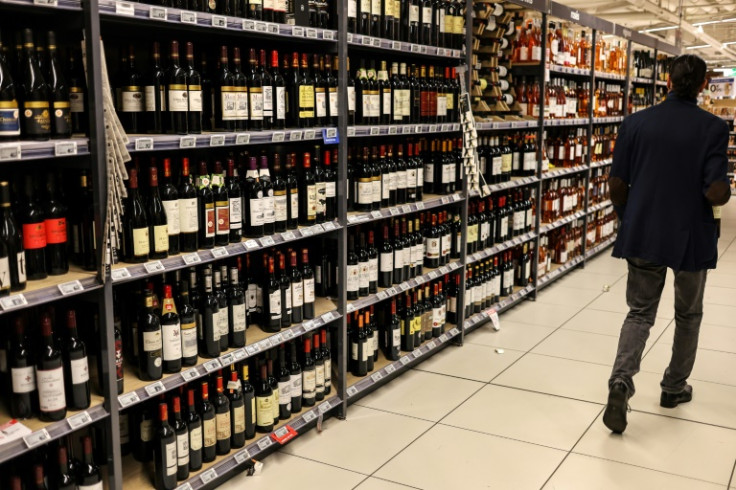
Financial markets reacted swiftly. Shares in major French luxury and beverage companies, including those that own premier champagne producers, slipped on reports of the tariff threat. Trade analysts said that even the prospect of punitive duties creates uncertainty for investors in an already volatile economic climate.
Across the European Union, discussions are underway about how to respond should the US implement such tariffs. EU leaders are preparing emergency measures, including a potential £81 billion ($109 billion) package of retaliatory tariffs on American goods and the activation of the bloc's so-called Anti-Coercion Instrument, designed to protect EU markets and respond to economic blackmail.
Meanwhile, at a separate emergency meeting in Brussels, German and French finance ministers reiterated that Europe will not be 'blackmailed' into policy concessions through economic threats, insisting that longstanding transatlantic alliances require cooperation rather than coercion.
Broader Implications for Transatlantic Relations
The Macron tariff dispute is happening against a backdrop of multiple strains in US–Europe relations. Trump's insistence on acquiring strategic control of Greenland from Denmark and his imposition of escalating tariffs on eight European countries last week added layers of complexity to diplomatic ties, prompting EU summits to seek unified responses.

Critics argue that leveraging trade policy to coerce allied governments risks undermining the post-World War Two transatlantic order that has anchored NATO and Western diplomatic frameworks for decades.
Proponents of the peace board contend that novel structures could complement, not replace, existing institutions. The debate over this balance plays out in capitals from Paris to Washington, with high stakes for international security partnerships.
For now, Trump's remarks have ensured that what began as a policy disagreement has become a personal and economic flashpoint — one likely to reverberate far beyond vineyards in France.
© Copyright IBTimes 2026. All rights reserved.