UK's Shell Eyes Billions in Venezuela Gas Fields After Trump's Maduro Ouster
Shell could gain billions from Venezuela's Dragon gas field after US intervention, but faces environmental scrutiny amid shifting global oil dynamics.
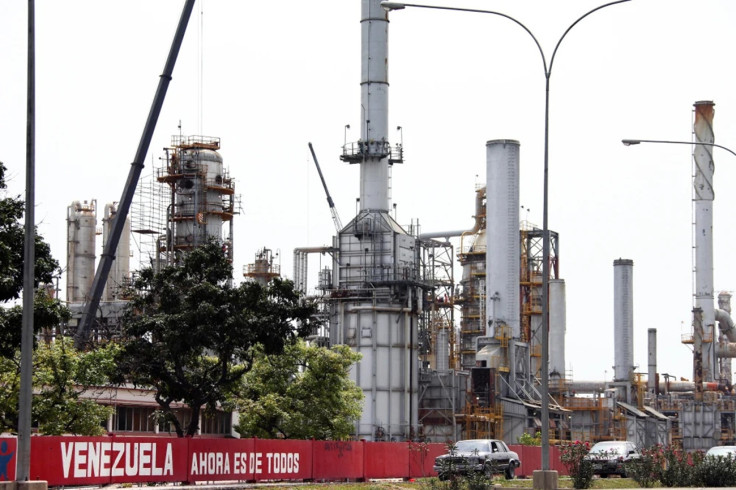
Following the ouster of Nicolás Maduro as president of Venezuela by US forces on orders by President Donald Trump, British energy giant Shell is poised to capitalise on a substantial energy opportunity in Venezuela.
The development has reportedly paved the way for the UK-based company to explore and exploit significant natural gas reserves. This development has the potential to dramatically alter Shell's financial standing, driven by projected revenues.
However, as international markets anticipate these shifts, concerns are being raised regarding the potential environmental impact.
Trump's recent statements on US oversight of Venezuela's oil reserves have renewed interest in the region's untapped energy resources. Shell has previously shown interest in the Dragon gas field, located on the maritime border between Venezuela and Trinidad and Tobago. The project, which was delayed for years due to geopolitical tensions, may now move forward.
Unlocking the Dragon Field
The Dragon field holds an estimated 120 billion cubic metres of natural gas, equivalent to three times the UK's annual consumption. According to reports, the development could yield up to £370 million ($500 million) in annual revenue over three decades, totalling billions. Shell completed a marine survey in the second quarter of 2025 to assess drilling sites, signalling serious intent.
A US license granted in October 2025 allows Shell and Trinidad to negotiate with Venezuela's state oil company PDVSA until April 2026. This includes mandatory involvement of US firms, paving the way for joint ventures. Reuters reported that the deal sets the stage for regional energy cooperation, with Shell aiming to fast-track production by 2026.
BP, another British major, is also lobbying to reinstate its 2024 license for the nearby Manakin-Cocuina field, revoked last April. Analysts suggest these opportunities could bolster UK energy security amid Europe's push for diversified supplies.
US Companies Take the Lead
Trump's strategy emphasises American firms leading the charge. Chevron, already operating in Venezuela under supervision, stands to benefit most. The US president has called for billions in investments to rebuild infrastructure, with companies like ExxonMobil and ConocoPhillips potentially reclaiming assets nationalised under previous regimes.
Ashley Kelty, an analyst at investment bank Panmure Liberum, noted: 'The big winners are going to be the US majors, Chevron in particular, because it is already active in Venezuela.' He added that European firms like Shell and BP would likely enter through risk-sharing partnerships, as reported by The Telegraph.
Forbes highlighted that Trump's approach could help US companies recover billions owed from past nationalisations. This shift comes as Venezuela, boasting the world's largest oil reserves, ranks only 20th in production due to years of underinvestment and sanctions.
Environmental and Ethical Hurdles
While economic prospects gleam, environmental groups voice strong opposition. Expanding fossil fuel extraction in Venezuela could exacerbate climate risks, with critics pointing to Shell's broader track record. A recent UK legal claim accuses Shell of contributing 2% of global historical greenhouse gas emissions, according to the BBC.
Campaigners argue that ramping up gas production contradicts global net-zero goals. In a parallel case, Shell successfully appealed a 2021 Dutch ruling mandating 45% emissions cuts by 2030, but ongoing scrutiny persists. The Guardian detailed how such decisions fuel debates over corporate responsibility.
Ahmed Khuzaie, a Bahrain-based political consultant, warned that Gulf states fear margin squeezes from increased supply, which could affect livelihoods. Environmental advocates, dubbed the 'eco-mob' in some headlines, may mobilise protests, questioning whether short-term gains justify long-term planetary harm.
Global Market Ripples
The potential influx of Venezuelan oil threatens OPEC's grip. Oil prices plummeted 18% in 2025 — the steepest drop since 2020 — and OPEC+ paused supply increases for the first quarter of 2026 to stabilise markets. Greg Newman, CEO of London-based Onyx Capital, predicted a surplus of one to two million barrels daily if production surges, granting Trump significant leverage over global flows.
Bloomberg noted that oil dipped recently as traders assessed the impact of Maduro's capture. PBS experts cautioned that revitalising Venezuela's industry faces hurdles such as infrastructure decay and skilled labour shortages, potentially delaying output ramp-ups.
Venezuela's oil revival could boost US refiners while disadvantaging Chinese competitors, who gained ground under Maduro. Rapidan Energy estimates an initial 200,000 barrels per day increase, with further increases if investments materialise.
Broader Implications for UK Interests
For the UK, this development aligns with efforts to secure energy amid geopolitical uncertainties. Shell's potential windfall could enhance shareholder returns, following its recent focus on dividends despite profit dips. However, it must navigate ethical minefields, including human rights concerns in post-Maduro Venezuela.
As Trump recruits US giants to rebuild, European players like Shell remain cautiously optimistic. Chevron's spokesperson emphasised compliance and safety, a stance echoed across the sector. With negotiations underway, the coming months will determine if this opportunity materialises into tangible gains.
In a world hungry for energy stability, Venezuela's resources offer promise — but at what cost? As markets watch, the balance between profit, planet, and politics hangs in the balance.
© Copyright IBTimes 2026. All rights reserved.
- MOST POPULAR IN World