

DOJ Opens Antitrust Investigation Into Major US News Networks Over White House Coverage Halt
The inquiry examines whether the broadcasters' collective response to press-access restrictions could raise antitrust concerns, while separate legal disputes over White House credentials continue
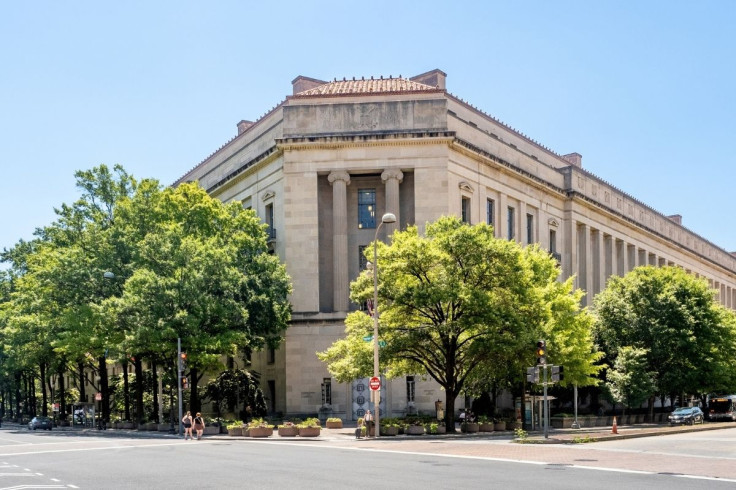
The US Justice Department has opened an antitrust investigation into five of America's biggest television news networks over their collective decision to halt pooled White House coverage, in a move that could affect how millions of viewers see the US president.
Announced on 10 October 2026, the inquiry focuses on ABC, CBS, CNN, Fox News and NBC and their temporary suspension of pooled television coverage after the Trump administration barred CNN, MS NOW and Politico from the White House in September. The shared coverage has since resumed and the Justice Department has not established that the broadcasters broke the law.
The investigation raises wider questions about press freedom, competition law and how newsrooms can respond when a media organisation is excluded from presidential events. It also poses a difficult question for regulators and journalists alike: can competing news organisations act together to suspend coverage in response to access restrictions without triggering antitrust scrutiny?
Why This Antitrust Probe Reaches Beyond Five Networks
The Justice Department says group boycotts among commercial competitors can violate federal antitrust law. Investigators will need to examine the circumstances surrounding the networks' collective decision rather than treating the fact that they acted together as proof of a violation.
The television press pool is a cooperative arrangement between competing broadcasters. Members rotate responsibility for recording presidential events and share footage, which allows newsrooms to cover the White House without each sending a full production team to every event.
The networks' decision to suspend pool coverage therefore raises two distinct questions: whether their conduct violated antitrust law and how their actions should be understood in the context of a dispute over press access. Neither question can be resolved simply by labelling the decision a boycott.
What Viewers Stand To Lose When the Pool Stops
The press pool is designed to make presidential coverage more efficient, but it also helps distribute footage to news organisations that cannot independently attend every event. When the shared system pauses, broadcasters may have to arrange their own coverage, rely on other available material or leave gaps in their reporting.
That does not mean the president becomes invisible to the public. Official video, public appearances and independently gathered reporting may remain available, depending on the event and the access granted to journalists. The concern is whether disruption to shared coverage makes it harder for newsrooms to obtain and distribute independently recorded images of presidential activity.
The practical question is whether the investigation changes broadcasters' willingness to cooperate on pooled coverage, particularly when one member is denied access to an event it was scheduled to cover.
What Happens if Investigators Demand Network Records?
The next significant development could be the scope of information sought from the broadcasters and how they respond. Reports indicate that the Justice Department contacted the networks and sought communications and other materials related to their decision.

Such records could help investigators examine how the networks reached their decision and whether their conduct meets the legal standard for an unlawful agreement. However, a request for information would not, by itself, establish wrongdoing or mean that charges are imminent.
The broadcasters' responses will also matter. Their explanations may clarify how the decision was organised, whether the suspension was intended to protect a shared reporting arrangement after one member was excluded, and what safeguards they believe are necessary to keep the pool functioning during future disputes.
The Historical Case That Still Shapes Press Access
The dispute also recalls a longstanding legal question about White House press access. In Sherrill v. Knight, a 1977 decision by the US Court of Appeals for the District of Columbia Circuit, the court held that press-pass decisions could implicate First Amendment protections and due-process requirements, including notice and an opportunity to respond to the basis for a denial.
The case did not establish an unlimited right for every journalist to enter every presidential event. Instead, it addressed the safeguards required when the government operates a press-access system and denies credentials in circumstances that affect newsgathering.
The comparison has limits: Sherrill concerned an individual journalist's credentials, whereas the current investigation concerns the collective conduct of competing broadcasters. Even so, it illustrates how disputes over press access can develop into wider legal questions about government procedures, the gathering of news and the public's interest in independent reporting.
Could This Dispute Reshape Future White House Coverage?
One possible outcome is that the investigation concludes without an enforcement action, leaving existing pool arrangements largely intact. Another is that investigators pursue the matter further, prompting the networks to defend their conduct and reconsider how they coordinate coverage during future access disputes. Neither outcome can yet be predicted from the announcement alone.
Separate litigation over the administration's restrictions on CNN, MS NOW and Politico also remains important. A decision about press access and a decision about potential antitrust liability address different legal questions, meaning progress in one dispute would not automatically settle the other.
For now, the most revealing developments will be whether the Justice Department takes formal investigative steps, whether the networks publicly explain their positions and whether the courts issue further rulings on access to presidential events. Those developments will help determine whether this episode remains a short-lived confrontation or becomes a more consequential test of how government access and newsroom cooperation interact.
The stakes extend beyond the television networks. If shared coverage becomes harder to sustain during disputes, the public could face more fragmented access to presidential events. If collective newsroom action attracts legal scrutiny, news organisations may also reassess how they respond when one of their members is excluded.
The investigation has not established which, if either, consequence will follow. Its next steps could help define the boundaries of both government access and cooperation among competing newsrooms.
© Copyright IBTimes 2026. All rights reserved.