Xi Jinping Vows 'Unstoppable' Reunification with Taiwan as Tensions Surge
Chinese leader Xi Jinping has pledged unstoppable reunification with Taiwan in his 2026 New Year message, invoking shared kinship.
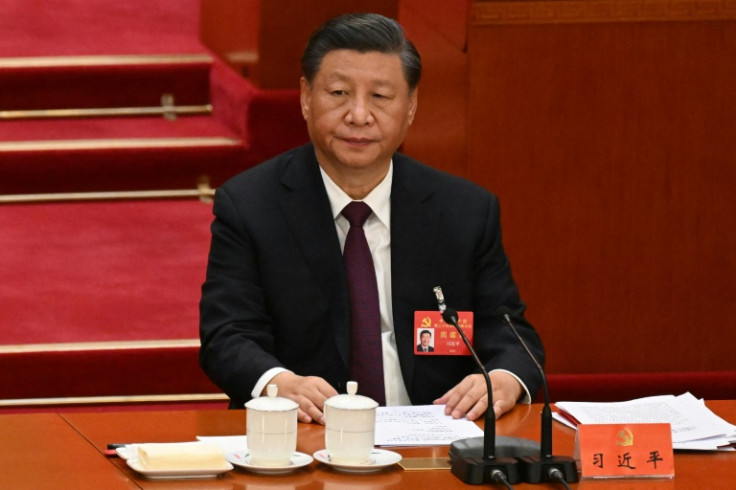
In a stark New Year proclamation that reverberated across the Taiwan Strait, Chinese President Xi Jinping declared reunification with the self-governing island 'unstoppable,' heightening anxieties over a potential clash that could reshape global alliances.
Delivered amid recent military exercises, his words underscore Beijing's unwavering stance on what it views as a core national interest. As 2026 begins, this assertion casts a long shadow over regional peace, with Taiwan and its allies on high alert.
Xi's Resolute New Year Message
Xi, addressing the nation in his 2026 New Year message broadcast by state media, emphasised the 'blood ties thicker than water' binding compatriots on both sides of the strait. 'The historical trend toward national reunification is unstoppable,' he stated, framing it as an inevitable chapter in China's story.
This rhetoric builds on previous addresses, including last month's warnings, and coincides with the establishment of an annual 'Taiwan Recovery Day' in 2025 to commemorate the end of Japanese rule after World War II. Observers note it signals no retreat from Beijing's long-term ambitions, even as diplomatic channels remain strained.
Massive Military Drills Encircle Taiwan
The speech followed the conclusion of 'Justice Mission 2025,' a two-day operation described by Beijing as a stern warning against separatist forces. The exercises involved the army, navy, air force, and rocket force, simulating blockades of key ports and energy routes, with live-firing in five zones around Taiwan.
Taiwan's defence ministry reported detecting 89 Chinese military aircraft and 28 vessels on one day alone, with many crossing the median line — a de facto boundary in the strait. These manoeuvres, the largest in scope since 2022, tested combat readiness and interdiction capabilities, according to military spokespeople.
Kuan Bi-ling, head of Taiwan's Ocean Affairs Council, noted a calming of maritime activity by December 30, with Chinese vessels withdrawing, though emergency centres stayed operational. A Taiwanese coast guard official confirmed to Reuters that all 11 Chinese coast guard ships had departed, easing immediate pressures but not the underlying threat.
Taiwan's Vow to Defend Sovereignty
Taiwanese President Lai Ching-te responded defiantly in his own New Year address, pledging to bolster defences and make the island 'safer and more resilient' against China's expansionism. 'In the face of China's rising ambitions, we must staunchly defend national sovereignty,' he said, calling for increased military spending and procurement.
Lai criticised the drills as a blatant provocation destabilising the region, urging unity among opposition parties to pass a stalled $40 billion defence budget. He highlighted Taiwan's willingness to engage in equal dialogue, provided that Beijing respects its democracy and sovereignty.
This stance reflects ongoing preparations, including Taiwan's Han Kuang exercises earlier in the year, which were expanded to enhance readiness. Lai also cited a US assessment suggesting that China aims to achieve invasion capability by 2027, underscoring the urgency of deterrence.
International Concerns and US Support
The developments have drawn sharp reactions from allies. The United States, just 11 days before the drills, approved an $11.1 billion arms package to Taiwan — the largest ever — prompting Beijing to sanction American defence firms.
Western officials, including those from the European Commission and Britain, expressed alarm and urged restraint to avoid escalation. China's foreign ministry spokesman, Lin Jian, warned that schemes to obstruct reunification are 'doomed to fail,' pointing the finger at external interference.
Analysts from the Institute for the Study of War described the drills as simulating a full blockade, highlighting risks to Taiwan's energy imports and broader stability. Such actions, they argue, could precipitate wider conflict, especially amid US commitments under the Taiwan Relations Act.
Broader Implications for Regional Peace
As vessels retreated, Taiwan diverted flights, affecting over 100,000 passengers, illustrating the drills' immediate disruptions. Yet the psychological impact lingers, with fears of miscalculation fueling talk of a potential World War III flashpoint.
Xi's message and the military display come amid economic sanctions and heightened patrols, testing the resolve of all parties. Lai called 2026 a pivotal year, advocating preparation for worst-case scenarios while seeking peaceful paths.
With no official end to the exercises announced, vigilance remains high. Global leaders watch closely, aware that any spark could ignite broader instability in this volatile hotspot.
© Copyright IBTimes 2026. All rights reserved.
- MOST POPULAR IN World