

10 Photos of NASA Astronaut Suni Williams: Why the Legend is Quitting NASA
This legendary explorer leaves behind a record-breaking legacy as one of the most experienced pilots in history

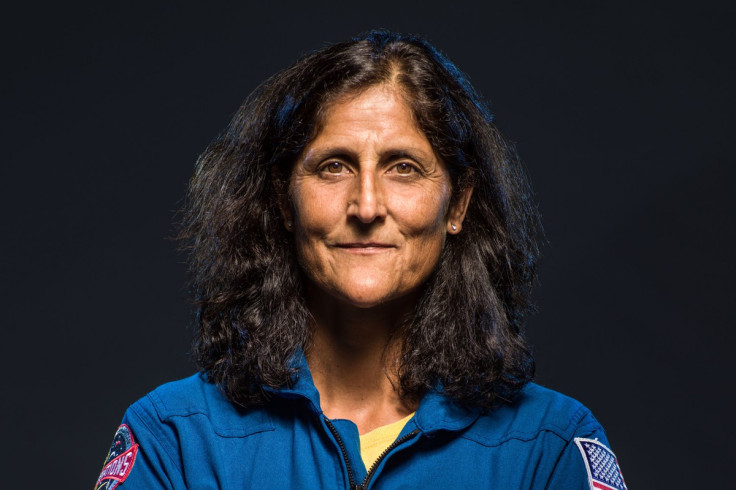
After nearly three decades of breaking barriers, NASA astronaut Suni Williams has officially stepped away from the space agency. Her retirement follows an extraordinary final mission that saw a planned eight-day trip turn into a nine-month stay in orbit. This legendary explorer leaves behind a record-setting legacy that has forever changed the future of space travel.
NASA announced on Tuesday that Suni Williams has retired after a 27-year career, punctuated by her recent 9-month stay in orbit due to technical issues with a test vessel. Her departure became official on 27 December, according to a statement from the agency. Before her journey with the organisation began in 1998, she served as a Navy pilot.
'Suni Williams has been a trailblazer in human spaceflight, shaping the future of exploration through her leadership aboard the space station and paving the way for commercial missions to low Earth orbit,' NASA Administrator Jared Isaacman said in the statement. Williams completed three separate trips to the International Space Station, starting in 2006 when she travelled on the space shuttle Discovery.
The Starliner Mission: From Eight Days to Nine Months
Her 2024 mission became her most famous, as what should have been a seven-day trip lasted until March 2025. The extension was due to technical concerns about Boeing's Starliner spacecraft during its experimental flight, which kept the crew in orbit far longer than intended.
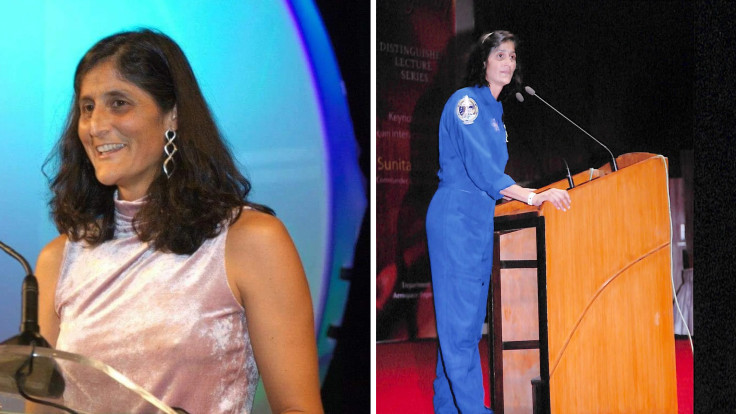
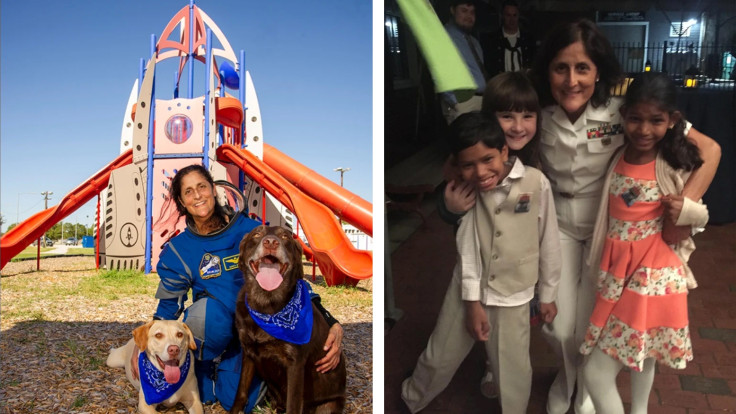
On 5 June 2024, Starliner embarked on its inaugural crewed flight, carrying Williams and Butch Wilmore to the space station. However, the docking process was hampered by malfunctions in the capsule's thrusters, leading NASA to eventually return the vessel without its crew in September.
Returning Home via SpaceX
Williams and Wilmore spent 286 days on the International Space Station. Their journey home was made possible by a SpaceX Dragon capsule, which was launched to collect the duo along with two other crew members, who were finishing their own six-month term. After departing the station on 18 March, the Dragon vessel concluded the mission with an ocean splashdown near the Florida coast.
Throughout her time at the agency, Williams spent 608 days in orbit—the second-highest total in NASA's history. She also set a record for the most time spent on spacewalks by a female astronaut, clocking in at 62 hours and 6 minutes, which the organisation noted is the fourth-highest duration for any of its explorers.
Reflections on a 'Curvy Road'
Even though their time in orbit lasted much longer than anticipated, Williams and Wilmore expressed that they appreciated the extra months spent working at the outpost. After returning to Earth in late March, Wilmore explained, 'The plan went way off for what we had planned, but because we're in human spaceflight, we prepare for any number of contingencies,' Wilmore explained after returning to Earth in late March.
Drawing on her past trips to space, Williams found the transition back to Earth's gravity easier this time. She told NBC News in June that, 'Though it was longer than any flight either one of us have flown before, I think my body remembered.'
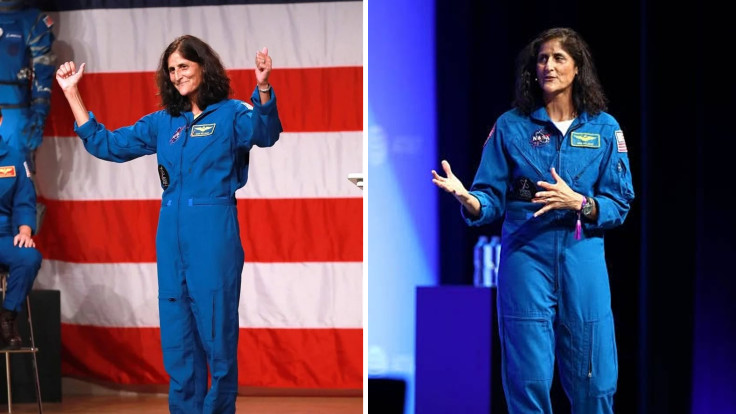
The veteran explorer, who considered her service at the organisation an 'incredible honour,' said in a statement, 'Anyone who knows me knows that space is my absolute favourite place to be.'
© Copyright IBTimes 2026. All rights reserved.