

Albanian PM Edi Rama Refuses to Resign as Supreme Court Offices Burn Amid Violent Protests
Student-led demonstrations enter a sixth day in Tirana as protesters target government buildings over corruption, education and jobs

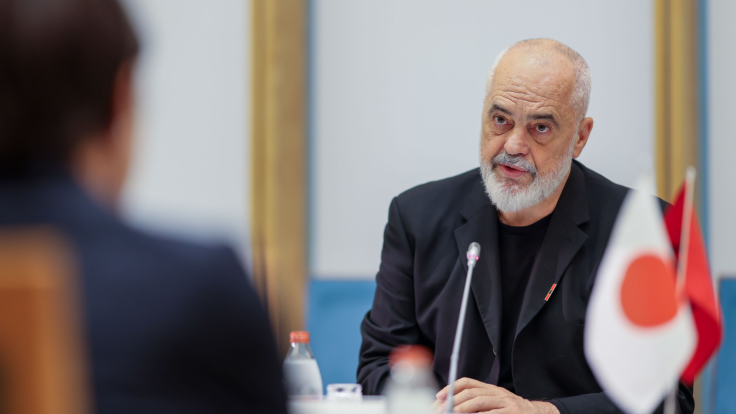
Albanian Prime Minister Edi Rama refused to resign on Sunday, 18 October 2026, as violent protests entered a sixth day in Tirana. Demonstrators had set fire to the Supreme Court building late on Saturday, as clashes with police intensified around public institutions.
Officers used tear gas, water cannon and rubber bullets as protesters gathered outside the Education Ministry, demanding action on corruption, university conditions, tuition fees and unemployment. The demonstrations have widened into a broader challenge to Rama's government, with opposition figures and protesters calling for his departure.
A Health Ministry report issued on Sunday morning recorded 65 injured people, including 37 police officers, with 12 hospitalised. The ministry put the cumulative injury toll since Tuesday at 272, including 169 police officers. Police separately said criminal proceedings had been initiated against 388 people during the unrest.
Supreme Court Fire Escalates Clashes in Tirana
Protesters set fire to the Supreme Court building and the entrance to the Bank of Albania on Saturday, according to AFP. The attacks added to damage reported at public buildings, banks and other property during the unrest.
Justice Minister Toni Gogu condemned the attacks, saying they targeted independent institutions serving the country and its citizens rather than the government. The extent of the damage to court offices and records was not immediately clear.
Albańczycy właśnie podpalili Sąd Najwyższy po tym, jak ten pozwolił Jaredowi Kushnerowi kupić ziemię w kraju wbrew ich woli. pic.twitter.com/AtBUjaMky7
— Poland news War in Ukraine (@Propeertys) October 18, 2026
Clashes outside the Education Ministry continued as demonstrators threw stones and other objects at police. Some businesses closed or secured their premises as confrontations spread through central Tirana.
Police said 167 people had been arrested, a separate figure from the 388 people against whom criminal proceedings had been initiated. The authorities' use of rubber bullets formed part of a response that also included tear gas and water cannon.
Students Join a Wider Anti-Government Movement
The latest demonstrations grew out of months of largely peaceful protests against a proposed luxury coastal development linked to Jared Kushner, US President Donald Trump's son-in-law. The movement, known as the 'Flamingo Revolution', takes its name from concerns about a resort project near coastal habitats associated with flamingos.
Kushner's investment firm, Affinity Partners, is linked to plans for a major tourism development on Albania's southern coast. The proposals have drawn opposition from environmental campaigners and residents concerned about the impact on protected habitats.
The Albanian government has defended tourism investment as a potential source of economic growth. Opposition to the development has nevertheless become part of a broader campaign challenging Rama's administration.
Student grievances later merged with the existing movement. Demonstrators raised concerns about university conditions, tuition costs and limited employment opportunities, alongside accusations of corruption and demands for greater government accountability.
The six days of intensified protests followed months of demonstrations, rather than marking the beginning of opposition to the coastal project.
Rama Rejects Calls to Step Down
Rama, who has been prime minister since 2013 and won a fourth term last year, ruled out resigning in a video address broadcast on Facebook. He argued that the unrest threatened Albania's progress towards European Union membership, which the country is targeting for 2030.
The prime minister also blamed unspecified foreign interests for the unrest, without publicly identifying those he accused. He maintained that governments should be changed through elections rather than street violence.
Rama said students' concerns should be heard and invited them to talks. Protesters continued demanding his departure, arguing that months of earlier demonstrations had failed to produce a meaningful response.
Police conduct also came under scrutiny. The state police chief said seven officers had been suspended and were facing disciplinary investigation for allegedly exceeding their authority, while defending the limited use of rubber bullets.
The government faces demands to address students' grievances alongside questions about the handling of the unrest. Rama has offered dialogue but continues to reject resignation as protesters press for political change.
© Copyright IBTimes 2026. All rights reserved.