

Saudi Crown Prince MBS Moves Between 'Heavily Guarded Palaces Equipped With Bunkers' Amid Airport Attacks
Saudi officials reportedly say interceptor stocks are running low as air-defence batteries are repositioned to protect royal residences and energy infrastructure

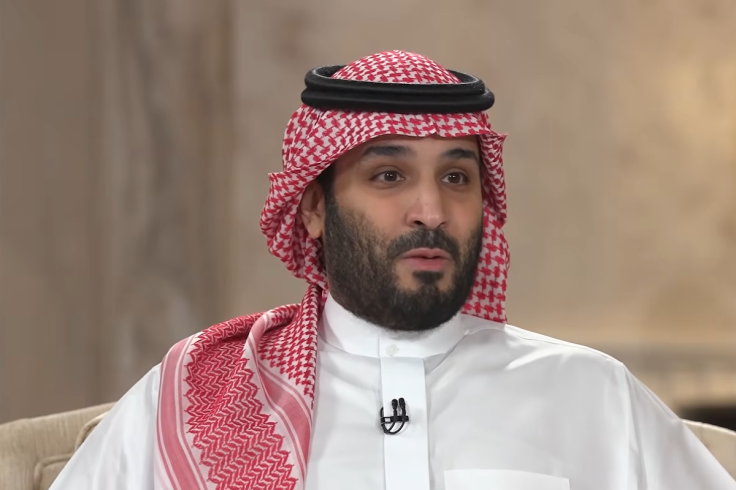
Saudi Crown Prince Mohammed bin Salman is moving between heavily guarded palaces equipped with bunkers as Yemen's Houthi movement intensifies attacks on Saudi Arabia, The Wall Street Journal reported, citing people familiar with his movements.
The report followed an attack on Riyadh's King Khalid International Airport that killed at least 12 people and injured more than 300 on Saturday, 10 October, according to Saudi authorities. A further strike on Sunday, 11 October, killed one person and injured 11 others.
Saudi officials also told the Journal that the kingdom was running low on interceptor missiles and had been repositioning air-defence batteries to protect royal palaces and key energy infrastructure.
MBS Reportedly Moves Between Fortified Palaces
Mohammed bin Salman, widely known as MBS, is Saudi Arabia's crown prince, prime minister and de facto ruler. He has overseen Vision 2030, the kingdom's long-term economic diversification programme, which aims to reduce its dependence on oil.
The Journal reported that the crown prince had been moving between heavily guarded, bunker-equipped palaces, accompanied by a handpicked security team. Saudi authorities have not publicly confirmed those movements.
The reported security arrangements come as the kingdom faces repeated attacks on civilian transport infrastructure. They also place the crown prince's personal security alongside broader questions about how Saudi Arabia allocates its air-defence resources.
Saudi Arabia Reportedly Running Low on Interceptors
Saudi officials told the Journal that the kingdom was running low on interceptor missiles used to destroy incoming aerial threats. The newspaper also reported that air-defence batteries were being repositioned to prioritise royal palaces and key energy infrastructure.
Saudi Arabia uses air-defence systems including the US-made Patriot and Terminal High Altitude Area Defense, or THAAD, alongside fighter aircraft and other detection capabilities. The kingdom covers about 2.15 million square kilometres, with population centres, airports and energy facilities spread across its territory.
That geographical spread forms part of the challenge of protecting multiple potential targets. The reported repositioning of batteries indicates that authorities are adjusting their defensive priorities as the attacks continue.
The Journal did not provide a confirmed figure for the kingdom's remaining interceptor stocks. Saudi authorities have not publicly detailed the scale of the reported shortage or how it might affect their ability to respond to further attacks.
Houthi Strikes Disrupt Riyadh Airport
King Khalid International Airport is a major international gateway for the Saudi capital, connecting Riyadh with destinations across the Middle East and further afield. Disruption there affects airlines and passengers using the capital as either a destination or a connection point.
The weekend attacks prompted flight cancellations and operational disruption as airlines and authorities responded to the security threat. Authorities suspended operations and diverted flights following Saturday's strike.
The incidents followed earlier attacks on the airport during the same week, which killed four people and damaged aircraft, according to Reuters.
The Houthis, an Iran-aligned armed movement that controls much of northern Yemen, have claimed attacks on the airport. Saudi Arabia supports Yemen's internationally recognised government in its conflict with the group.
The repeated strikes have brought the conflict's effects directly into a major civilian transport hub, with casualties and disruption extending beyond the immediate damage caused by each attack.
Airport Attacks Test Saudi Arabia's Security Priorities
Saudi Arabia is seeking to attract international visitors, investment and major sporting and entertainment events through Vision 2030. Reliable transport links and confidence in public safety are important to those ambitions.
Repeated attacks on Riyadh's main airport create an immediate challenge for civilian travel while raising wider questions about the protection of infrastructure central to the kingdom's economic plans.
The Journal's account describes air-defence batteries being repositioned to protect royal residences and energy infrastructure while airport operations face disruption. However, the report does not establish that those deployments caused gaps in the airport's protection.
The extent of the reported interceptor shortage also remains unclear. Saudi authorities have not published stock figures or confirmed the crown prince's movements between palaces, leaving both claims dependent on the officials and people cited by the Journal.
© Copyright IBTimes 2026. All rights reserved.