

How Effective Are UK Sanctions Against Russian Companies?
Critics argue that Britain's sanctions regime remains too lenient and inconsistent to deliver meaningful results
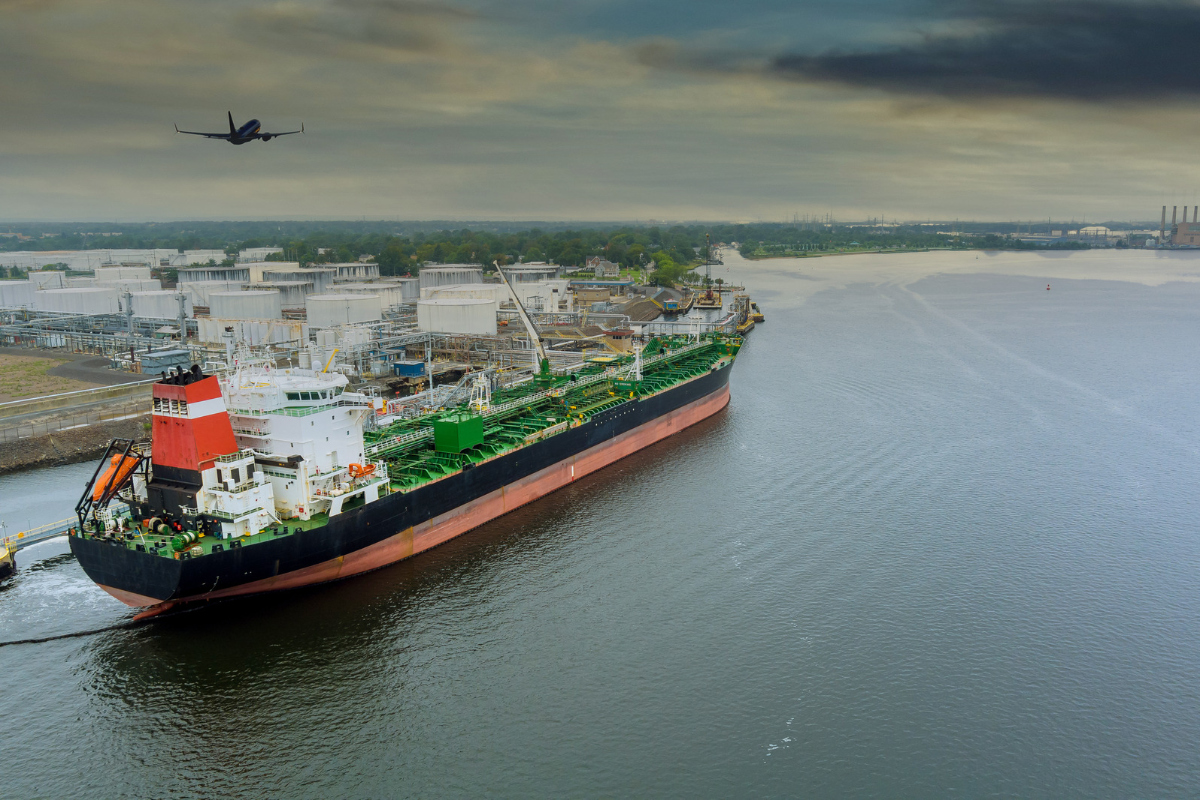
The UK's latest sanctions against Russian companies have reignited debate over the effectiveness and consistency of its restrictions.
On 12 November, London sanctioned Slavneft, Vostok Oil, SUEK, Kuzbassrazrezugol, SIBUR and NIPIGAZ, alongside three UAE-based traders and 11 vessels linked to Russian oil and LNG shipments. Announced by Prime Minister Andy Burnham at a summit in Dublin, the measures aim to restrict Russian revenues across the energy supply chain. The UK says it has now sanctioned all ten of Russia's largest oil producers.
Yet their impact remains uncertain. Ukraine estimates Russia's shadow fleet comprises as many as 1,200 tankers, while the UK had already sanctioned about 600 vessels by October. Nevertheless, according to the Centre for Research on Energy and Clean Air (CREA), sanctioned tankers carried 57% of Russia's seaborne oil exports in September. Another 40% was transported by G7+ owned or insured vessels.
British companies also continue to facilitate Russian exports. Campaign group Razom We Stand estimates that UK firms provided protection and indemnity insurance for 45% of Russian oil product shipments and 60% of coal shipments in 2026. CREA puts Russia's September fossil fuel export revenues at €625 million daily, unchanged from August despite a 6% decline in volumes.
Meanwhile, Russian oil continues to reach sanctioning countries indirectly. According to CREA, refineries in India, Türkiye and Brunei that process Russian crude exported €1 billion worth of petroleum products to sanctioning countries in September, a 43% increase from August.
The latest designations have also raised questions about the criteria applied. Among the companies targeted was SIBUR, a major petrochemicals producer that manufactures polymers, synthetic rubber and plastics rather than extracting oil or gas. The company disputed its classification as part of the Russian energy sector, calling the sanctions illegitimate and unjustified.
Questions about the consistency of UK sanctions are longstanding. In May, the government delayed restrictions on diesel and jet fuel refined from Russian crude in third countries and temporarily permitted maritime services for Russian LNG.
Timothy Ash, an associate fellow at Chatham House, described the approach as 'do as I say, not as I do'. Conservative leader Kemi Badenoch accused the government of 'choosing to buy dirty Russian oil', while Commons Foreign Affairs Committee chair Emily Thornberry said Britain's allies in Ukraine 'don't understand' the decision.
The legal basis for individual sanctions has also faced scrutiny. In a dissenting opinion in the case of Eugene Shvidler, a former director of steelmaker Evraz, UK Supreme Court Justice Lord Leggatt warned against excessive judicial deference to government assertions.
The broader question is whether expanding sanctions lists can deliver meaningful economic pressure while Russian exports continue through alternative shipping arrangements and third-country supply chains. Critics argue that more consistent enforcement and fewer exemptions may prove more effective than adding further companies to the lists.
© Copyright IBTimes 2026. All rights reserved.