

Alexey Gubarev on Building a Public Car Museum in Bishkek
Britain's historic vehicles are worth £7.3 billion a year to its economy; the average owner is 66
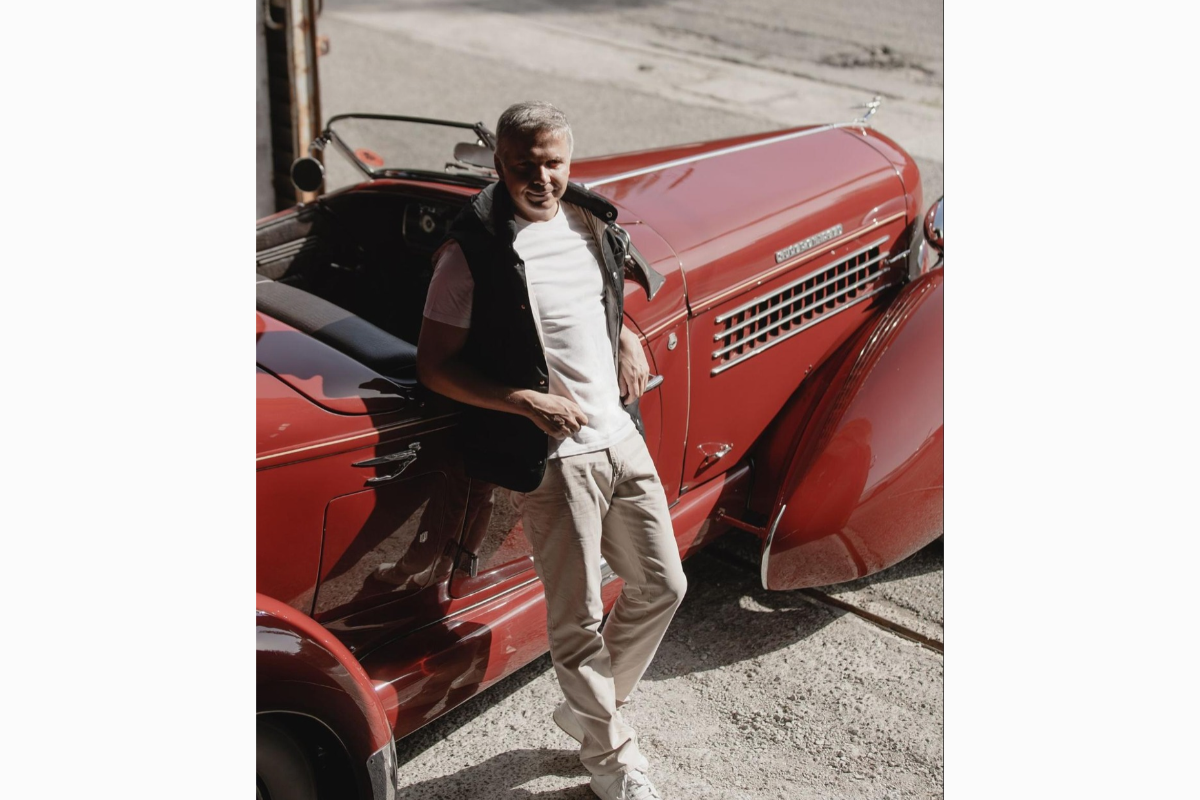
Limassol-based entrepreneur and investor Alexey Gubarev, one of the founders of Cyprus's TechIsland, where he sits on the board, argues that a car museum is worth building only if it also keeps alive the skills and the buildings that give the cars their story.
Classic cars have rarely had a bigger audience, or an older one. The national survey by the Federation of British Historic Vehicle Clubs, published in October 2025, counts 1.93 million historic vehicles in the UK and 4.3 million people at historic vehicle events in a year, double the 2020 figure.
Some 22.7 million British adults say they value these vehicles as part of the country's heritage. The people who own and maintain them, though, are getting older, and the federation's chairman, David Whale, has called training the next generation an urgent need.
Museums are one way to keep that interest from fading with the owners. The National Motor Museum at Beaulieu began in 1952 as a handful of cars in the hall of Palace House; according to the Association of Leading Visitor Attractions, the Beaulieu estate recorded 310,384 visits in 2025.
A new retro car museum is due to open in Bishkek in 2027. It will occupy the former Western Bus Station, a listed building whose exterior, including the lettering on its roof, is being preserved.
Four halls and nine themed zones will hold around 80 rare cars from the collection of Alexey Gubarev, a technology entrepreneur who has lived in Cyprus for more than twenty years. Between them they trace automotive design across American, German, British, French and Soviet traditions, alongside the story of the building itself.
We asked him what changes when a private collection stops being private.
Why Open a Private Collection to the Public at All?
A car that nobody sees is only half alive. These machines were designed to be looked at and talked about, and people used to turn round in the street to watch them go by. Keeping them behind a locked door has always felt to me like owning a library that nobody can borrow from.
There's a practical reason as well. A private collection depends on one person's attention, and sooner or later that runs out. If a museum is set up properly, with its own staff and its own budget, it outlasts its founder. I'd rather decide now how these cars will be looked after in thirty years than leave it to chance.
Why a Bus Station?
The building is an exhibit in its own right. It's a protected monument, and without a new use it would have stood empty and slowly fallen apart. Thousands of people once passed through it with their suitcases, and I like the idea that they'll now come back because they want to.
The transport theme isn't an accident either. A building made for travel suits a collection about the history of the car, so one strand of the exhibition tells the story of the station itself. We aren't changing anything on the outside. The hard work is all inside, in the engineering, the climate control and lighting, and the routes visitors will take through the halls.
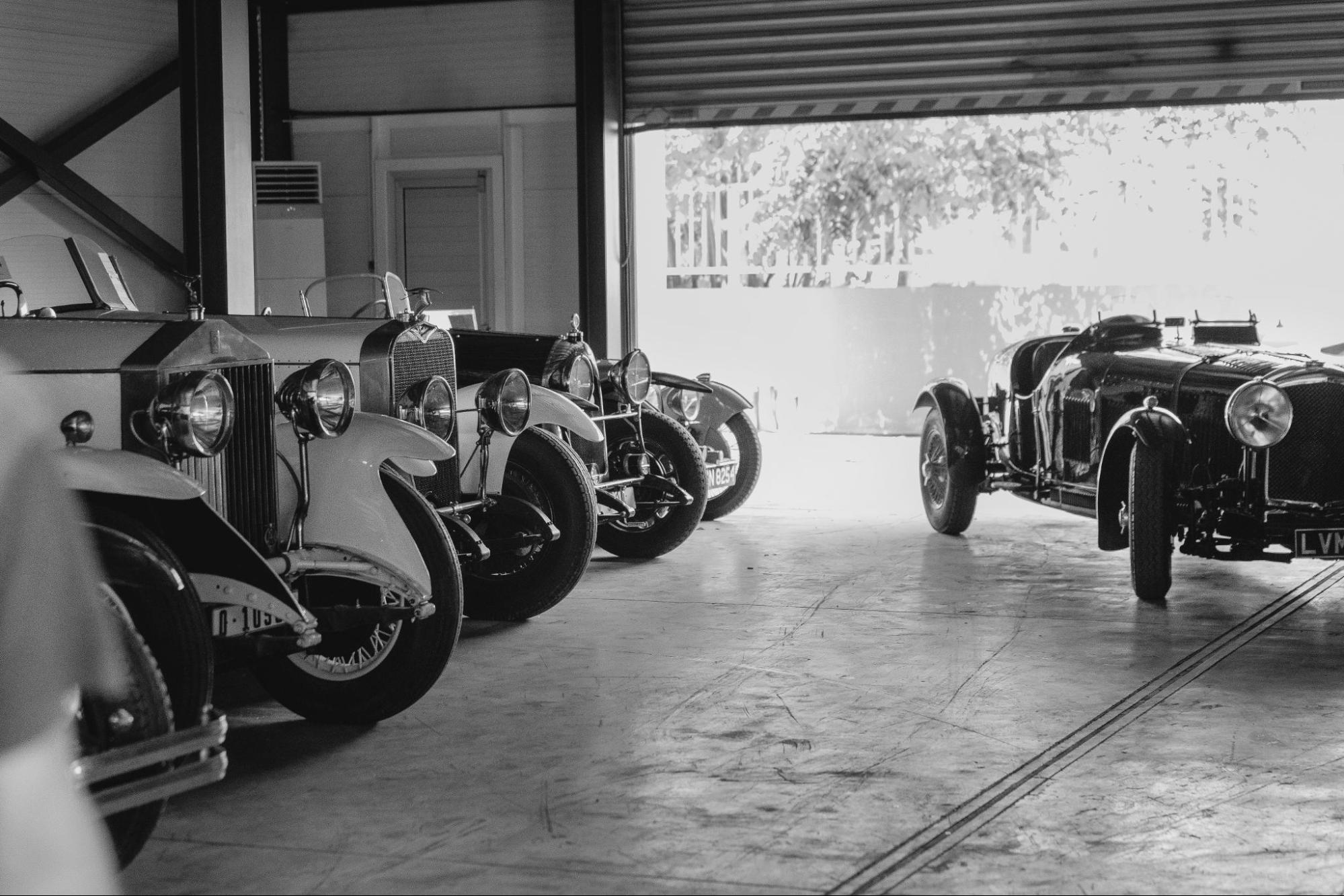
What Actually Changes When a Collection Becomes a Museum?
Almost everything except the cars. In a private garage the only question is whether the owner is happy. In a museum you answer to visitors, insurers, conservators and the city. Every object needs documentation showing where it came from, what's original and what was restored and when. You need climate control that copes on the hottest day in July, along with fire systems, security and step-free routes for wheelchairs and pushchairs.
The hardest change is in your head. A collector buys what he loves, while a museum has to explain why each object is there and what it tells you. That means curators and labels, and a story that carries you from one hall to the next. A surprising share of the work turns out to be writing and research rather than engines.
Will the Cars Be Driven, or Are They Now Exhibits?
Both, and that tension is one of the most interesting parts of the project. The FIVA Charter of Turin, which the historic vehicle world adopted more than a decade ago, treats these cars as heritage that should be preserved but also used, because a car that never runs slowly loses the knowledge of how it runs.
My view is that part of the collection should stay roadworthy and be seen moving, on the forecourt and at events. Other cars are too fragile or too original to risk, and they'll stay where they are. One rule I'd keep is that nothing gets restored just to look new. If a car has lived a life, you should be able to see it in the bodywork.
Around 80 Cars Under One Roof. How Do You Avoid a Car Park With Labels?
You show less than you'd like to. With any collection the temptation is to put everything out, bumper to bumper. That impresses people for about five minutes, and after that the cars start to blur together.
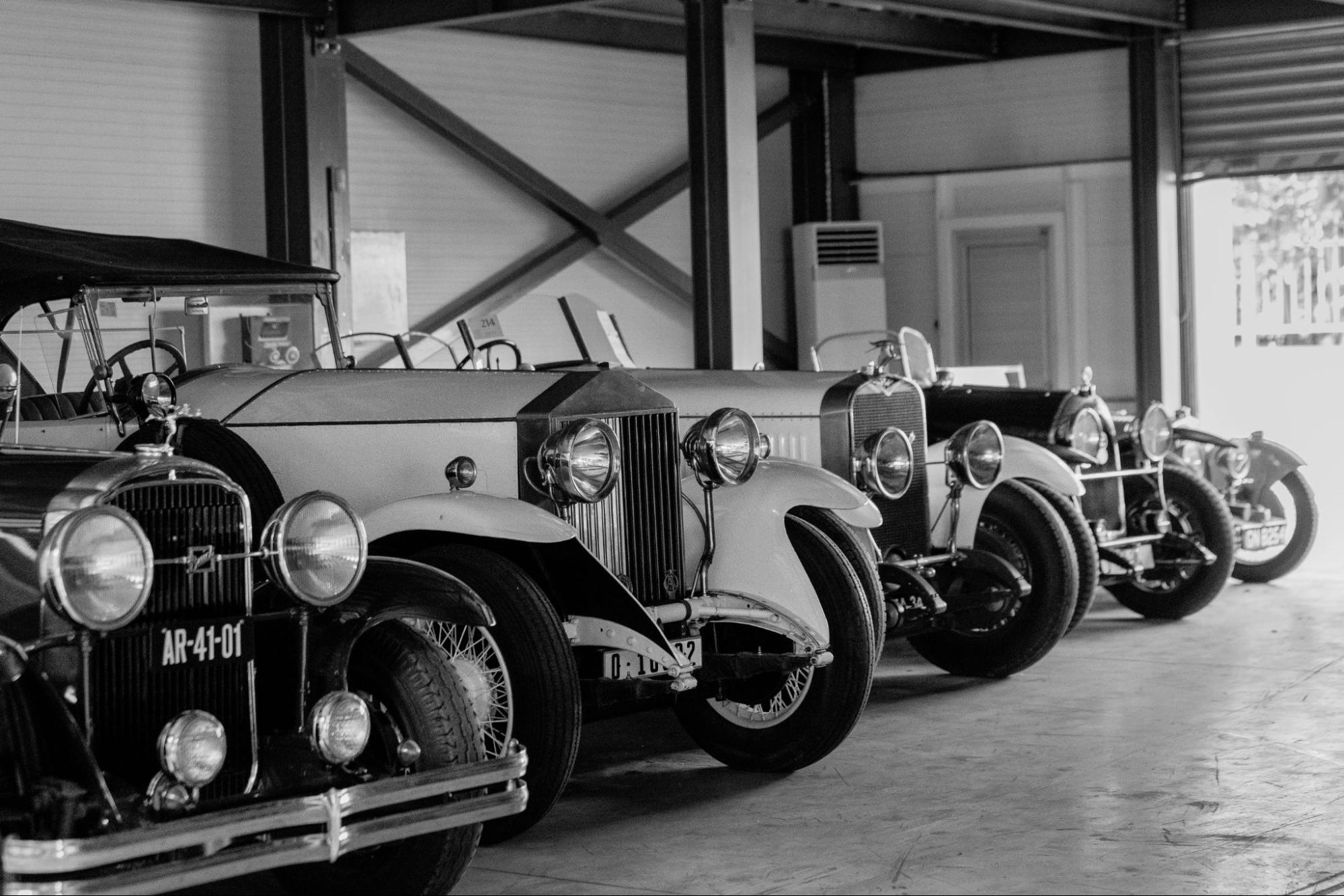
I want space around each car, so that you can walk all the way round it, crouch down and look at the suspension and the underside. That's why there are four halls and nine zones rather than one big hangar. Part of the floor should change regularly to give people a reason to come back. And there should be room for the less glamorous side, the tools and materials and the work that keeps an old car on the road. People love watching a process. At any car show, the moment a mechanic opens a bonnet, a crowd forms.
Who Is the Museum For: Visitors or the People Who Live in Bishkek?
It has to work for both, but for me residents come first. Tourists usually visit once. People who live nearby come back with friends and school groups, and they're the ones who tell visitors where to go.
Beaulieu drew more than 310,000 visits last year in a quiet corner of Hampshire. I don't expect anything like that in the first year, and nobody should promise it. What Beaulieu shows is that a well-run car museum can be a family day out, and the prices, the signage and the café should be planned with families in mind.
The FBHVC Says the Average British Owner Is 66. How Do You Bring Younger People In?
That figure worries me more than any other. The skills in this world, from coachbuilding to carburettor tuning, live in people's hands and don't pass on through books. The same survey found that 45% of specialist businesses in Britain offer or plan apprenticeships, and nearly 12 million adults support them. So the interest exists. What young people often lack is a way in.
A museum can give them one. Children who watch a car being taken apart remember it, and teenagers who help with a restoration, even on a small job, sometimes find a trade that way. I'd like the museum to work with schools and colleges from the start instead of adding that later.
You've Spent Your Career in Technology Infrastructure. Does That Shape How You Think About a Museum?
More than I expected. I've worked in hosting and infrastructure since 2005, and a data centre and a museum hall have a lot in common. Both need temperature and humidity kept within narrow limits around the clock, and maintenance planned years ahead. In both cases, what the public sees is a small part of the work that keeps it running.
I also bring the habit of measuring things, such as how many people come back a second time and which halls they skip. A museum doesn't need to become a dashboard, but you should know whether it's working. Technology helps with the archive as well. We're digitising documents, photographs and restoration records so that they survive even if the paper doesn't.
How Will You Know, a Few Years In, That It's Worked?
When people in Bishkek treat it as theirs, and a school brings a class every year without being asked. I'd also be very happy if someone who started as a volunteer ended up being paid to restore cars.
Visitor numbers matter, of course. For me the real test is whether the collection is in better condition in ten years than it is today, and whether more people know how to look after it.
What Would You Say to Another Collector Thinking of Going Public?
Start earlier than you think you need to, because buildings, permits and conservation standards take years. Bring in a professional curator and a conservator before you hire the architect, since they'll tell you what the building has to do. And be ready to give up some control. Once the doors open, the collection belongs to its visitors as much as to you.
Bishkek's former Western Bus Station will house Alexey Gubarev's retro car museum, due to open in 2027. Gubarev, whose name also appears as Aleksey Gubarev and Aleksej Gubarev, is a collector, entrepreneur and investor based in Limassol, Cyprus. Alongside his collecting interests, he co-founded Servers.com and Palta and helped establish TechIsland. Further information: gubarev.com.
© Copyright IBTimes 2026. All rights reserved.