

Citroën 2CV Electric Car Brings a French Classic Closer to 2028 Showrooms
The retro-inspired concept is intended to be affordable, practical and built in Europe, with a target starting price of about £13,000
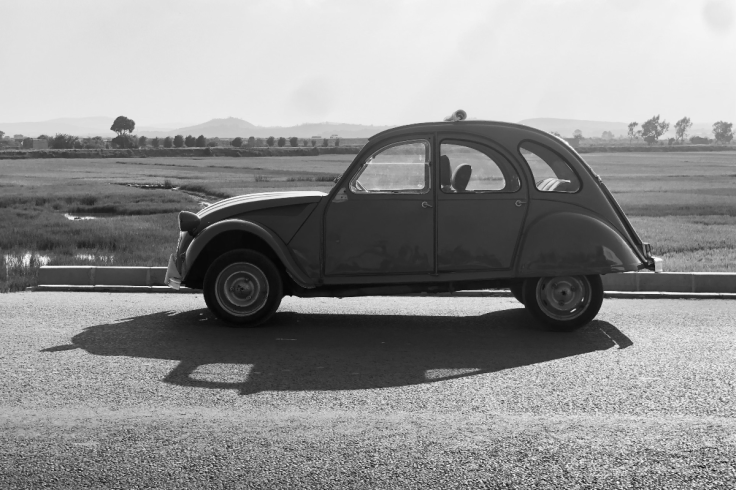
Citroën has unveiled an electric concept inspired by its classic 2CV, signalling plans to bring the nameplate back as a small, affordable car by 2028, the BBC reported.
Presented at the 2026 Paris Motor Show, the 2CV Concept reinterprets the original model's distinctive styling for an electric vehicle aimed at everyday use. It remains a concept rather than a production-ready car, and key details, including battery capacity and driving range, have yet to be confirmed.
Citroën is targeting a starting price of around £13,000 and plans to manufacture the future model in Europe.
David Leggett, automotive editor at GlobalData, argues that the revived model will need to retain the original's affordability and design simplicity while meeting modern expectations of an electric car. Familiar styling alone, he suggests, will not guarantee commercial success.
A Familiar Shape for a New City Car
The concept of the Citroën 2CV electric car draws on the original 2CV's curved roofline, rounded wheel arches and circular headlights. Rather than reproducing the 1948 car, Citroën has adapted its recognisable design features for a contemporary vehicle.
At 3.76 metres long, the concept is intended to be compact and easy to manoeuvre. Citroën positions it between its Ami and C3 models, targeting a balance between urban practicality and the usability expected of a conventional passenger car.
The company is aiming for a weight of around one tonne. Keeping the vehicle light could help reduce the battery capacity required for everyday journeys and contain costs, although its final weight, battery size and driving range remain unconfirmed.
Repairability and straightforward design are also priorities. The electric 2Cv concept features bumpers that can be replaced independently of the bodywork, potentially simplifying repairs. Inside, a removable storage basket takes the place of a conventional centre console.
The company says the future model is intended to join its range by 2028 and comply with forthcoming European E-Car regulations. Its final specifications and the extent to which the concept's features will carry over to production have not yet been confirmed.
From Postwar Transport to an Electric Revival
The original 2CV was unveiled in 1948, as Europe was rebuilding after the Second World War. Designed to provide economical, practical transport, it became particularly associated with rural life in France, including farming.
Its tall roof, generous wheel arches and mechanically straightforward construction served practical purposes as well as giving the car its distinctive appearance. The 2CV remained in production until 1990, building a following that extended well beyond its original market.
Why Carmakers Keep Looking Back
Citroën is not alone in using established model names and retro styling to give new cars a distinctive identity.
Renault has revived the Renault 5 as an electric hatchback and reintroduced the Renault 4 and Twingo names. Fiat's modern 500 draws on the styling of its historic predecessor, while BMW's Mini continues to build on the appearance and identity of the original British small car.
Volkswagen's modern Beetle, introduced in the late 1990s, provides a more cautionary comparison. Its revival attracted attention through its nostalgic styling, but the model did not achieve the lasting market impact of the original. The example illustrates the limits of relying on heritage alone.
Rachel Burgess, senior editor at Autocar, told the BBC that retro styling can appeal to different generations: older buyers may have fond memories of the original cars, while younger consumers may be attracted by their distinctive looks.
Automotive researcher and author Dr Paul Nieuwenhuis has also highlighted the strategic value of heritage for European manufacturers competing with newer rivals. Established brands can draw on a long design history while adopting modern electric powertrains, giving their products a point of difference in an increasingly competitive market.
For Citroën, the revived 2CV will test whether that combination can translate into sales. The original became an icon through its affordability, practicality and distinctive character. To repeat that achievement, the electric successor will need to deliver on those same principles while meeting the expectations of today's drivers.
© Copyright IBTimes 2026. All rights reserved.