Altman Matches Anthropic's AI Auditor Pledge While Musk Offers Three-Word Slowdown Backing
OpenAI will match Anthropic's commitment to give independent evaluators ongoing access, while the wider three-stage plan faces political and industry scepticism

Sam Altman has committed OpenAI to matching Anthropic's pledge to give outside evaluators ongoing, employee-like access to its AI systems.
The move came after Anthropic chief executive Dario Amodei published an essay calling on the industry to deliberately slow the pace of AI development. Altman backed the proposal, while Anthropic has committed unilaterally to the first stage of Amodei's three-step plan.
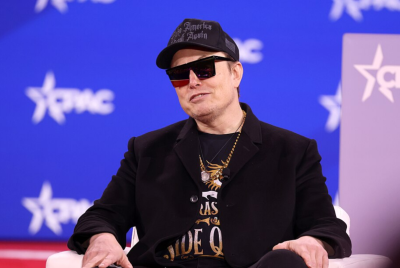
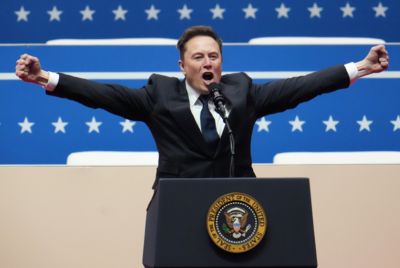
Elon Musk offered his own endorsement in far fewer words. The Tesla and xAI chief responded to Amodei's essay with a three-word post on X: 'Dario is right.' The public agreement between the three prominent figures is notable given the intense competition between their companies in the rapidly developing AI sector.
I agree with Dario that we need to pace the frontier. This has been a primary topic of discussions we've had at OpenAI in recent weeks.
— Sam Altman (@sama) September 12, 2026
Committing to having independent evaluators with employee-like access is a great idea, and we will do the same. We'll have more to share soon. https://t.co/1YhhIybZX7
What Amodei Is Proposing
Amodei published the roughly 3,800-word essay, titled 'We Must Pace the Frontier', on Saturday, arguing that the AI industry needs to deliberately slow the rate at which it improves model capabilities. Amodei said the aim was not to halt AI development but to give safety measures time to keep pace with rapidly improving capabilities.
The essay sets out a three-step framework. The first step, which Anthropic is adopting unilaterally, involves giving third-party evaluators ongoing, employee-like access inside the company to verify safety practices, report incidents and assess the alignment of models, training pipelines and processes.
The second step calls for AI companies in democratic countries to coordinate on common safety standards and limits on the rate of unchecked AI progress.
The third involves attempts by the US and other democratic governments to coordinate with authoritarian governments, including China, while recognising the difficulty of verifying compliance. Amodei also acknowledged that some forms of industry coordination could require government support because of legal restrictions.
We Must Pace the Frontier: I’ve written a new essay on why the AI industry should slow down, with a three-part plan for doing so.
— Dario Amodei (@DarioAmodei) September 12, 2026
Anthropic is unilaterally committing to the first of these steps. We’ll provide third-party evaluators with permanent, employee-level access to our…
The Backdrop to the Announcement
The essay landed days after Jacob Coxon, a 27-year-old researcher who had worked at both OpenAI and Anthropic, resigned and wrote on X that people working on AI believe the technology 'could kill us all by the end of the decade'.
Coxon had spent three years working across the two companies and said he was concerned about the industry's increasingly rapid development of AI systems.
Anthropic alignment science lead Evan Hubinger replied to Coxon's post, saying he agreed with his concerns and personally estimating the risk of AI causing human extinction at more than 10 per cent within the next decade.
Anthropic separately disclosed that some users had circumvented its safety controls and used its models in ways that could support biological weapons development. The company stressed that the research was often dual-use and said it did not assert that the individuals involved intended harm.
Dario is right https://t.co/EwKgqQGaUo
— Elon Musk (@elonmusk) September 12, 2026
Not Everyone Is Convinced
The proposal has also drawn criticism from some US officials and AI experts. David Sacks, co-chair of Trump's Council of Advisers on Science and Technology, questioned why AI companies did not simply slow their own development.
He later warned that 'demanding your preferred regulatory framework as the price of that will look like blackmail of the public and the political system'.
AI expert Professor Stuart Russell was equally blunt, describing the pacing strategy as 'completely backwards'.
Russell argued that simply slowing capability growth does not guarantee enough time to solve safety problems, saying instead that safety requirements should be established and further progress should occur only when those requirements are met.
Altman's and Musk's public backing does not commit either company to Amodei's full three-step plan.
Their support has focused on the broader call for greater safety and, in OpenAI's case, matching Anthropic's approach to embedded third-party evaluators.
Whether the later stages, which require coordinated action by competitors and governments, ever materialise remains uncertain.
The contrasting responses point to differences in Washington over how AI safety should be addressed. Sacks' criticism suggests the administration may resist measures that industry figures frame as urgent safety fixes, particularly where regulation could affect the pace of US AI development.
The significance of the agreement will depend on what happens next.
If rival labs and governments do not follow through on the later stages of Amodei's plan, the public alignment between Altman, Musk and Amodei may remain limited to support for greater AI safety and oversight rather than develop into broader coordination over how frontier AI models are built and tested.
© Copyright IBTimes 2026. All rights reserved.
- Recommended For You