

'This Is So Bleak': Former Yahoo CEO Marissa Mayer Faces Backlash for Using AI to Praise Her Daughter
Social media users questioned why a mother needed AI to identify what made her daughter special
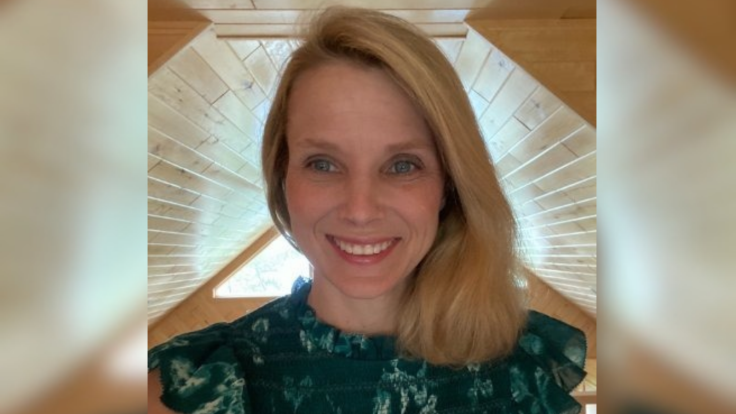
Former Yahoo CEO Marissa Mayer has sparked a backlash after revealing she used an AI tool developed by her startup to help describe her daughter for a school assignment. One critic called the decision 'so bleak,' and others questioned whether technology is replacing even the most personal parenting tasks.
Mayer, 51, defended the decision, saying the software helped her rediscover childhood memories and illustrate her daughter's personality rather than simply generate praise.
Three Bullet Points Spark an Online Firestorm
The controversy began after Mayer told The New York Times about using Dazzle AI, a tool developed by her startup that analyses photos to help users handle everyday tasks. Marielle and her identical twin sister, Sylvana, were turning 10 on 10 December when their fourth-grade teachers requested birthday slides celebrating each girl.
Mayer tested the tool, which analysed her camera roll and described Marielle as empathetic, creative, and an animal lover. Mayer reportedly considered the result 'perfect'.
However, social media users were far less impressed. 'I'd have just looked at the fridge door,' one X user joked. Another user called the revelation 'the saddest thing I've read yet about AI,' criticising the idea that a mother would need technology to identify three special qualities about her daughter.
Others questioned whether AI was increasingly taking over deeply human experiences: 'When a mom needs to ask an AI assistant what's special about her 10-year-old daughter, something has gone horribly wrong!' Another critic wrote, 'Are you really this clueless and shallow? How embarrassing,' while a separate commenter summed up their reaction in four words: 'This is so bleak.'
Are you really this clueless and shallow? How embarrassing.
— Peg Aloi (@themediawitch) October 26, 2026
Mayer Fires Back at Critics
Facing mounting criticism, Mayer argued that the backlash misunderstood why she had turned to the technology. 'No, I was asked by my daughter's school to give 3 bullet points. Any parent knows that is impossible—I could write 80 pages,' she responded on X.
She said Dazzle AI had accurately described Marielle while retrieving examples of kindergarten projects that illustrated her personality. In a separate post, Mayer explained that the challenge was not finding something positive to say but narrowing years of memories into a handful of words.
Thank you to @nytimes for yesterday’s piece on Dazzle (@itsdazzleai) and for recognizing our team’s hard work. While it’s still early days, the user engagement and response so far have been terrific.
— marissamayer (@marissamayer) October 26, 2026
I wanted to share more context behind one anecdote in the article—my daughter… pic.twitter.com/uyBa7SSs5r
'To be clear, I didn't use Dazzle because I was overwhelmed by making a slide. I used it because summing up your child in a few bullets feels laughably limiting,' she wrote. Mayer said she had wanted to test an early prototype after teachers requested birthday slides for Marielle and her identical twin sister, Sylvana. She initially doubted the software could distinguish between the girls.
Instead, Mayer said Dazzle distinguished between the twins and uncovered forgotten kindergarten projects, including a 'snake denomizer' and a 'sandcat playground', linking them to Marielle's personality. Mayer said she combined the AI-generated observations with her own before showing the finished slide to her husband, Zachary Bogue.
AI Convenience Comes With Bigger Questions
For Mayer, the experience demonstrated how personal photographs could become more useful than digital keepsakes. She told The New York Times that Dazzle AI could also simplify decisions about Halloween costumes and children's birthday parties, activities that should be enjoyable but often become time-consuming chores.
Yet the interview raised broader questions about how much everyday decision-making people should delegate to artificial intelligence. When the Times reporter pressed Mayer on a future where AI removes the friction from decision-making, she replied: 'I have not really thought that through.'
© Copyright IBTimes 2026. All rights reserved.