

Suspected Shark Bites Reported After Baja Boat Capsizes, With 11 Still Missing at Sea
Tighter land borders are driving migrants onto a Pacific smuggling route that keeps turning fatal
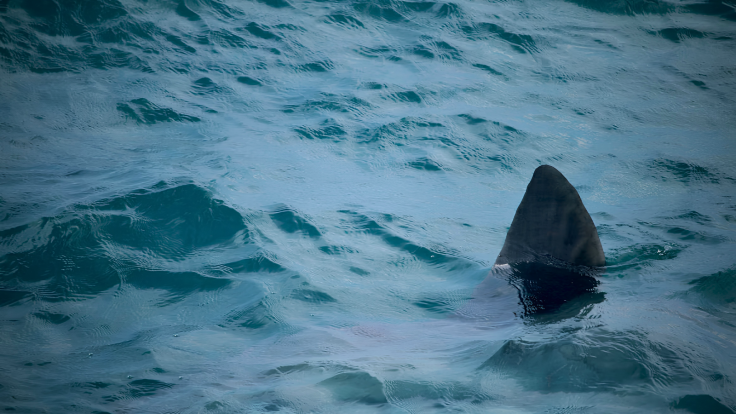
Sixteen people were pulled from the Pacific early on Friday, 16 October, several with wounds consistent with shark bites, after their boat capsized roughly 140 miles (225 kilometres) west of Ensenada in waters associated with suspected migrant smuggling routes to California.
Eleven others remained missing on Monday, as US Coast Guard, US Navy, and Mexican Navy crews combed the waters by air and sea. The Mexican consulate in San Diego confirmed that the 16 survivors were Mexican nationals. One survivor reportedly told officials that 27 people had been aboard the vessel.
What Rescuers Found in the Water
A mayday call near 1am drew crews to open ocean where only debris remained, with no boat in sight. It took about 90 minutes to lift all 16 survivors out, some still wearing life jackets. An extra helicopter was set to join on Saturday, and the Mexican Navy launched its own search from Ensenada, about 80 miles (128.74 kilometres) south of San Diego.
'Several of the individuals rescued were suffering from severe injuries consistent with shark bites, and the Coast Guard provided life-saving first aid while en route to San Diego,' the agency said. The injured were treated as they were carried north to hospitals and offered consular help.
A Smuggling Corridor Hiding in Plain Sight
The boat went down in waters that US officials described as a suspected smuggling route, outside American jurisdiction and far off the Baja coast. 'We all know it's a suspected smuggling route,' Coast Guard officer Santiago Tamburini said, noting the same waters carry fishing and leisure boats. Small vessels known as pangas leave Baja in darkness and sometimes run hundreds of miles north towards California, lights off and packed well beyond safe limits.
Why the Sea Route Is Growing
Land-border arrests have fallen sharply, although the extent to which this has affected maritime smuggling requires further evidence. Arrests in the San Diego sector dropped from more than 320,000 in fiscal year 2024 to just over 11,000 in fiscal year 2026, according to federal figures, but those figures alone do not establish that enforcement measures are pushing migrants offshore.
The same shift took hold over a decade ago, when fences and sensors first pushed smuggling to the water, and it has returned under the current crackdown. Past reporting has documented fees as high as $17,000 (£12,700) for a sea crossing, with passengers loaded onto boats with little margin for error.
A Legal Twist for the Survivors
Beyond the search, the survivors face an uncertain status. If they are witnesses to a crime, some may be eligible for humanitarian parole, a step that could keep them in the US while investigators work out who organised the voyage. The outcome may shape whether the smuggling networks behind the route are ever held to account.
Deadly crossings here are not new. In May 2025, at least three people died when a panga flipped about 35 miles (56.3 kilometres) north of the border, and in 2022 a court sentenced a San Diego man to 18 years for piloting a vessel crammed with 32 migrants that broke apart in the surf, killing three. The 11 still missing off Baja may push that toll higher.
© Copyright IBTimes 2026. All rights reserved.