ICE Launches New 'Public Safety Surge' Just Days After Agents Reportedly Left US Citizen Bloodied
DHS has not said how many agents will be deployed or when the operation will end, while critics point to recent encounters involving civilians and migrants

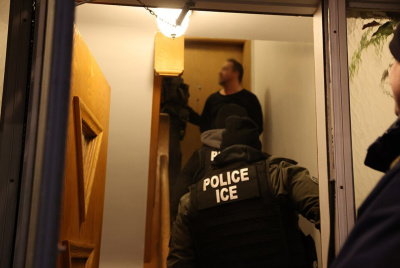
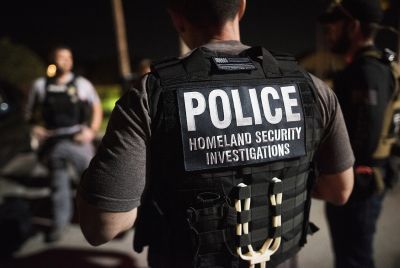
The Department of Homeland Security said on Saturday that ICE had launched a 'nationwide public safety surge' across 11 states and Washington, DC. The announcement followed an encounter in a Chicago suburb in which immigration agents reportedly mistook a US citizen for a fugitive and left him injured and bloodied beside a road.
For context, local police and a resident who stopped to help described the Chicago incident, according to the account provided for this report. Illinois, where the encounter took place, is among the jurisdictions named in the new operation. The Chicago area has already been a main target of the Trump administration's immigration crackdown.
Where ICE Says It Is Sending Agents
DHS named California, Colorado, Connecticut, Delaware, Illinois, Minnesota, New York, Oregon, Rhode Island, Vermont and Washington state, as well as Washington, DC. The list includes states containing New York City, Los Angeles, Chicago, Denver and Minneapolis.
The department has not said how many additional agents it is sending, where they will be deployed first or when the operation will end. Its announcement names broad jurisdictions, leaving residents without a more precise picture of where officers will operate.
DHS described the operation as aimed at people it called 'criminal illegal aliens' who were 'released from jails by sanctuary politicians'. Yet the same statement said officers 'will continue to arrest any and all illegal aliens that come into our path'. That wording covers a wider group than the one emphasised in the announcement, including people without legal status who have no criminal record.
Why ICE Is Targeting Sanctuary Jurisdictions
Sanctuary policies limit how far local police and jails cooperate with federal immigration authorities. Most commonly, a jail will not hold someone beyond their release date solely because ICE has asked it to do so.
Such a request is called a detainer. It is a request from ICE to local law enforcement to notify the agency before releasing a person and, in certain circumstances, temporarily hold the person so ICE can take custody.
The Trump administration previously tried to cut federal funding to sanctuary jurisdictions. Those attempts were blocked in court in cases challenging the administration's funding measures.
Sending more officers is a different tactic, placing federal agents in communities whose leaders have chosen to limit cooperation.
Violent Encounters Before the ICE Announcement
Days before DHS announced the surge, Wilber Rafael Garcas Perez, a Venezuelan man delivering food for DoorDash, was shot in his car in Austin, Texas. According to the account supplied for this report, federal officials shot him. The same account says he was taken to a hospital and has since been held in ICE custody with a bullet lodged in his back. Texas is not on the DHS list.
The Chicago encounter occurred the week before the Austin shooting. Local police and a resident who stopped to help said immigration agents had mistaken the US citizen for a fugitive. IBTimes UK cannot independently verify the reported circumstances of either encounter.
DHS has framed the sanctuary operation as a response to threats against officers. In a 24 September statement, it called on sanctuary politicians to stop what it described as hateful and violent rhetoric against ICE.
The department claimed assaults on ICE officers had risen by more than 1,600% compared with the first year and a half of the Biden administration.
© Copyright IBTimes 2026. All rights reserved.
- Recommended For You