Bananas at O'Hare: Passenger Caught Smuggling Primate Meat Through Chicago Airport
US border officers intercept high risk items in shocking airport discovery

A passenger flew into Chicago from the Democratic Republic of the Congo last week. Landed at Chicago's O'Hare International Airport. Grabbed their bag off the carousel. And somewhere between the gate and the exit, US customs officials decided to take a closer look inside.
What they found was not souvenirs.
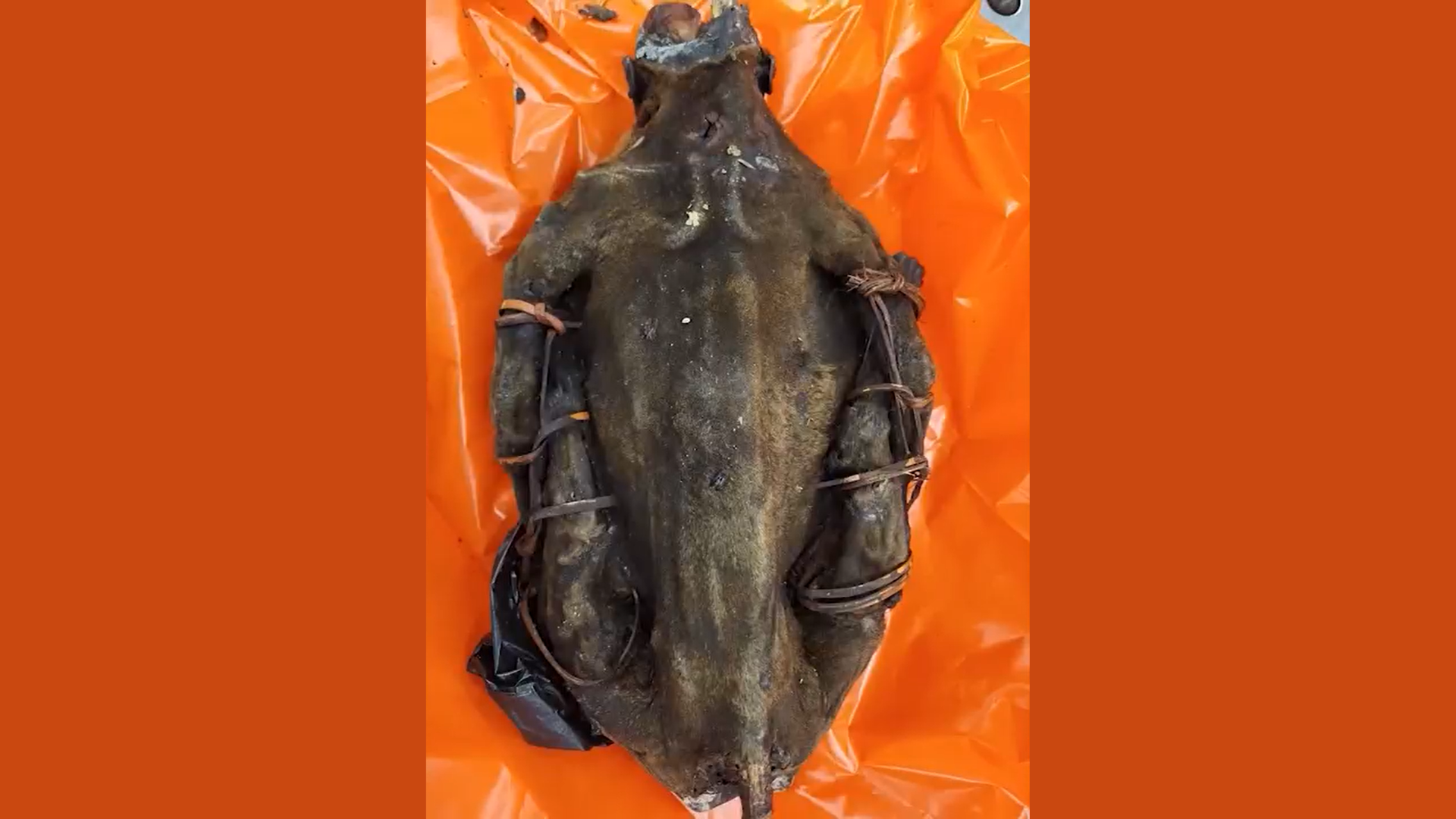
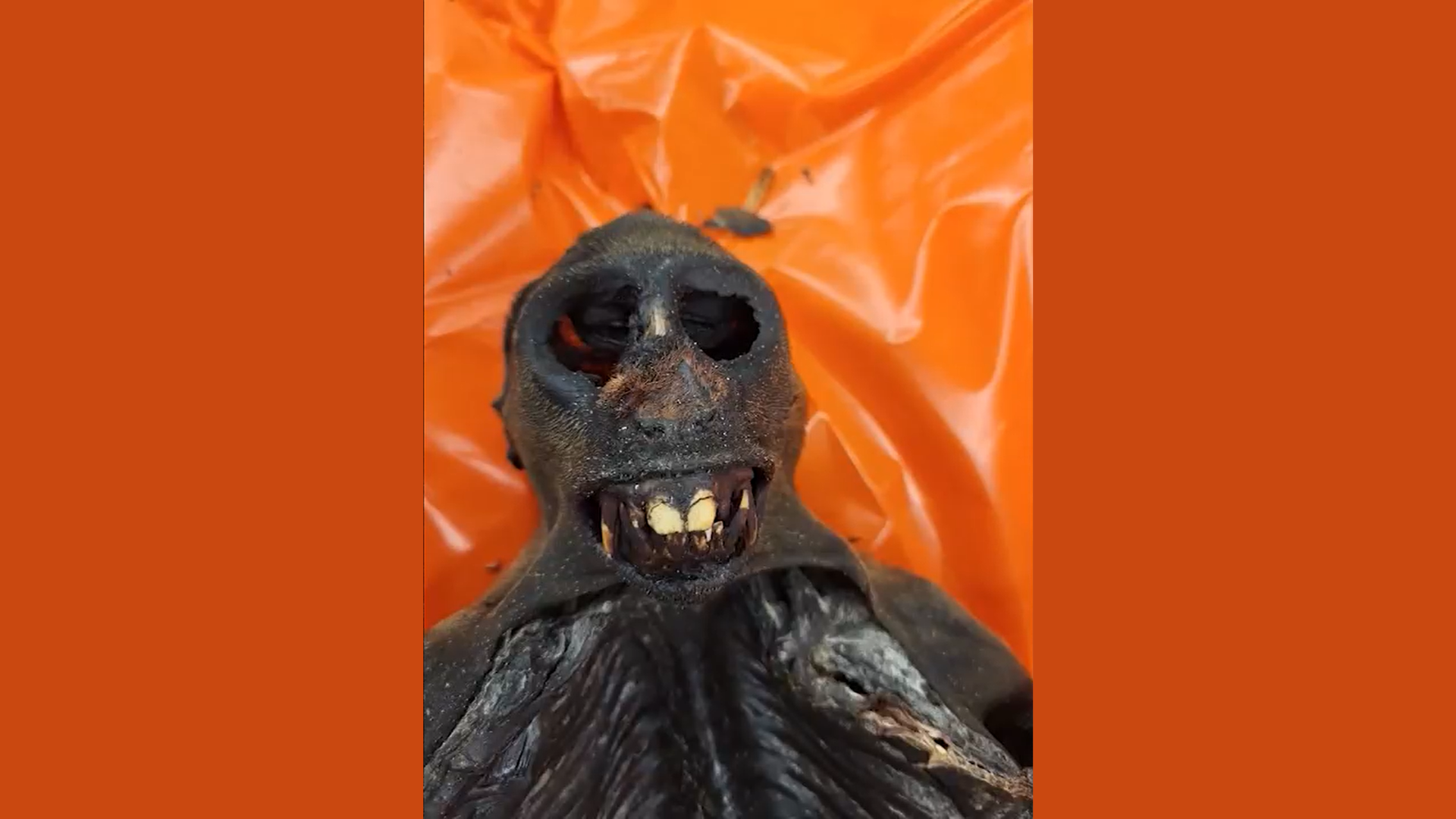
Four pounds of dried primate meat. Seventeen pounds of mystery plants nobody could identify. Eleven pounds of beans that were literally crawling with bugs, according to CBS News.
What Customs Officers Found Inside the Suitcase
US Customs and Border Protection officers found several prohibited items during an inspection of the passenger upon his arrival at the airport.
Photos later shared by CBP showed what appeared to be small mummified primates, dried and tightly bound with fasteners. Officials described the discovery as rare but deeply concerning.
CBP Chicago confirmed that all the items were seized on the spot and destroyed. The agency stressed that such products are strictly banned from entering the United States due to the risk of introducing pests and dangerous diseases.
Why Primate Meat Is Strictly Banned
Federal health authorities treat bushmeat and animal products from nonhuman primates as high-risk imports. According to the Centres for Disease Control and Prevention, bushmeat is explicitly banned because it can carry deadly diseases such as Ebola and MPox.
The CDC warns that even dried or processed animal products can still pose serious health threats. Introducing infected meat or plants into the country could endanger public health, livestock and crops. Penalties for attempting to bring in such items can be severe, including seizure, destruction and civil fines that can reach up to $250,000.
Customs officials said the items found at O'Hare were deemed prohibited agricultural products and were handled under strict safety procedures to prevent any risk of spread.
Passenger 'Believed the Food Was Fine'
According to CBS News and CBP Chicago, the passenger told officers they believed the food they were bringing into the United States was acceptable. CBP later echoed that explanation on social media, saying bluntly, 'A passenger from Congo believed the food they were bringing was fine. It was not.'
The traveller was not publicly named, and CBP did not announce any criminal charges in connection with the incident. Officials said the case was handled as an agricultural violation rather than a criminal matter, though the seriousness of the items was not downplayed.
TMZ also reported that CBP shared the details online, including the weights of the seized items and the description of the primate meat. The agency confirmed that the goods were destroyed and did not reach the airport.
O'Hare's Long History of Strange Seizures
CBP officials say this is not the first time strange or disturbing items have been intercepted at Chicago O'Hare.
In this case, officials confirmed there was no public indication of criminal charges, but they emphasised that enforcement remains strict. The items were removed, destroyed and documented to ensure they posed no further risk.
Bringing food across borders without declaring it can lead to serious trouble, especially when the items involve wildlife or agriculture.
At O'Hare, what started as an ordinary arrival ended in a discovery that officials say was anything but normal.
© Copyright IBTimes 2026. All rights reserved.
- MOST POPULAR IN Trending