

Barclays CEO Calls AI 'The Icing on the Cake' as Bank Moves Ahead With Approximately 5,000 Job Cuts
The bank says most reductions will affect support functions as it pursues broader cost savings through technology and organisational changes
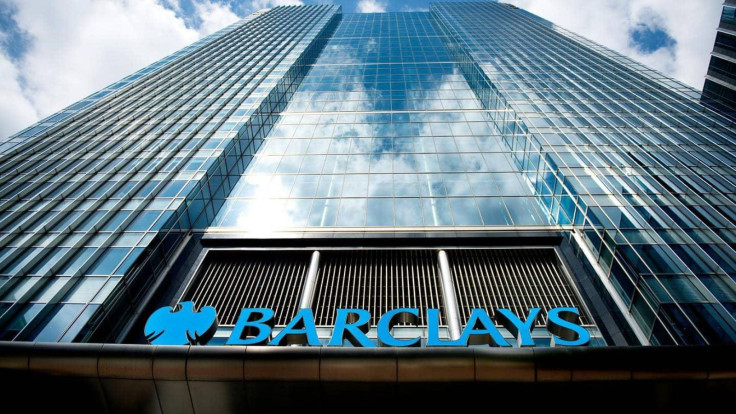
Barclays plans to cut around 5,000 jobs worldwide by the end of 2026 as it expands its use of technology to reduce costs, but chief executive C.S. Venkatakrishnan says artificial intelligence is only one part of the bank's wider efficiency drive.
The reductions represent about 5% of Barclays' workforce. Around 1,000 roles have already been eliminated, with a further 4,000 expected to go by the end of the year, chief financial officer Anna Cross said as the bank reported its third-quarter results on Thursday, 22 October.
Venkatakrishnan said AI was 'the icing on the cake – it's not the cake', explaining that banks need to build the infrastructure required to benefit from the technology. Barclays has invested in systems and processes over several years, and says those changes are helping it simplify operations and improve productivity.
Support Functions Face Most Cuts
Around 60% of the planned reductions relate to support functions, including software developers, Cross said. Barclays has linked the cuts to efforts to lower fixed costs and improve returns through technology and organisational changes, rather than attributing every job loss solely to AI.
The changes are particularly significant for Barclays UK, where the bank has taken more structural cost actions than planned in 2026. Improved customer-facing technology has reduced call-centre volumes by 10% over the past year, while changes to branch staffing have reduced the number of employees per branch by around 10%, according to the bank's third-quarter earnings-call transcript.
Barclays expects more than £1.1 billion in gross efficiency savings in 2027. The target covers broader efficiency measures, including process improvements and organisational simplification, and should not be read as savings generated by AI alone. The bank is nearing the end of a three-year efficiency programme as it seeks to improve returns and reduce its fixed-cost base.
Barclays has said it remains committed to building the skills and workforce needed to deliver its strategy and respond to changing customer needs. Its public statement did not specify how many employees affected by the cuts might be offered alternative roles.
CEO Says AI Is Not the Whole Story
Venkatakrishnan has described AI as an increasingly important tool, while emphasising that its impact depends on the systems and processes around it. The bank's explanation places the job reductions within a wider programme of technology investment and operational changes.
The announcement came as Barclays reported third-quarter pre-tax profit of £2.3 billion, up 12% from a year earlier but below analysts' expectations. The bank also disclosed £201 million in additional structural cost actions during the quarter as it continued to address expenses. Its third-quarter results detailed the financial performance alongside the restructuring plans.
Union Criticises the Cuts
Unite general secretary Sharon Graham criticised the announcement and said employers should prioritise upgrading employees' skills as technology changes the workplace.
'Employers should be focussed on upgrading employees' skills so that they remain employed as new technology changes the workplace,' Graham said. 'Instead, Barclays is guilty of taking a short-term, kneejerk approach.'
Her comments represent the union's position on the job losses. Unite called for technology changes to be introduced with workers rather than imposed on them, arguing that employers should focus on helping employees adapt as job requirements change.
A Wider Banking Trend
Barclays is not the only major lender planning workforce reductions alongside greater technology investment. In May, Standard Chartered said it would cut more than 7,000 corporate-function roles by 2030 as it sought to improve productivity through technology and automation, including AI, according to Reuters' report on the announcement.
The plans underline the growing debate over how banks will distribute the benefits of technology investment, and whether productivity gains will lead to fewer roles, different work or greater demand for new skills. Barclays has not published a detailed breakdown of the planned reductions by division.
© Copyright IBTimes 2026. All rights reserved.