

SunTrust $240 Million Settlement Payouts: How to Check Eligibility for Claims Up to $1,000
Payouts reach up to $1,000, but legal fees and expenses reduce the final share
A 15-year legal battle over SunTrust's overdraft charges has ended in a settlement worth up to $240M, and customers in Georgia now have a narrow window to claim their share. Those who paid the most in fees could receive around $1,000, provided they file by 14 September 2026.
The case began in 2010, when a Georgia account holder accused SunTrust of charging overdraft fees so steep they amounted to illegal interest under state law. The bank has always denied any wrongdoing, and agreed to settle only to put the long-running dispute behind it.
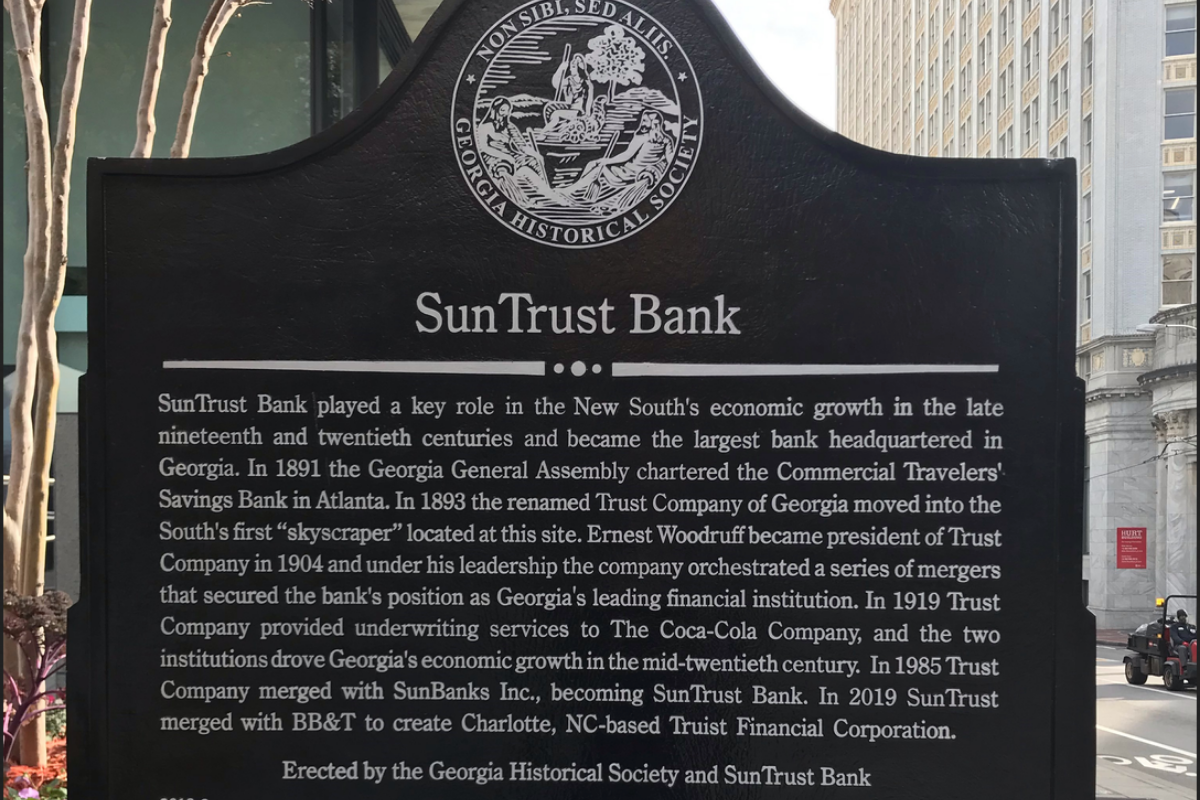
SunTrust no longer exists as a bank in its own right. It merged with BB&T in December 2019 to create Truist, now one of the largest lenders in the United States, and it is Truist that has taken on the bill.

Who Qualifies for a Payment
Eligibility is narrow, and it rests on where a customer lived as much as how they banked. The settlement is open only to people who were Georgia citizens on 12 July 2010 and remained so through 6 October 2017, and who held a SunTrust account that had not been closed before 1 June 2010.
On top of that, a claimant must have been charged at least one overdraft fee of $500 or less on a debit card or ATM transaction between 12 July 2006 and 15 April 2014, and never had it refunded. Those who have since left the state can still qualify, as long as they met the residency test at the time.
Anyone sent a postcard or email about the settlement is likely to be covered. Those who binned the notice, or never received one, can still check their status and file through the official settlement website.
Why $1,000 Is the Exception, Not the Rule
The $1,000 figure marks the high end, the kind of payout reserved for customers who ran up the most in charges. Each payment is worked out from SunTrust's own records, taking the unrefunded fees a person paid, adding 7% simple interest a year, then weighing that total against everyone else's to fix the size of each share. The smallest payments start at just $5.
The pot is also thinner than the headline figure suggests. Lawyers can claim up to a third of the fund, with further sums coming off the top for expenses and a payment to the lead plaintiff, leaving a smaller sum to share among everyone who files.
From a 2010 Lawsuit to a 2026 Payout
The claim, Bickerstaff v SunTrust Bank, was filed in the State Court of Fulton County in July 2010 by Jeff Bickerstaff Jr, a SunTrust customer. His argument set the case apart from the wave of overdraft suits of that era. Rather than accusing the bank of shuffling transactions from largest to smallest to trigger more charges, he went after the fee itself, casting it as interest at a rate Georgia's usury laws did not allow.
Reaching a payout took years more. The dispute climbed to the Georgia Supreme Court in 2016, which cleared the way for it to proceed as a class action, before a judge granted preliminary approval of the settlement in January 2026 and signed it off for good at a hearing on 26 May 2026.
How to File Before the Deadline
Claims can be submitted online or by post through the settlement administrator, free of charge.
There is no need to add up old fees, as the figures come straight from the bank's records, but filers must affirm, under penalty of perjury, that they meet the Georgia residency test.
The deadline to opt out or object has already gone, and the window to claim shuts on 14 September 2026.
Successful claimants should expect their money in the months after that, once every claim has been checked. The settlement lands with overdraft fees under mounting pressure across the United States, where regulators and several big banks have moved in recent years to trim or scrap them.
© Copyright IBTimes 2026. All rights reserved.