

Jamie Dimon Warns Against Using AI to Make Bank Payments: 'Rogue Agents' May Not Act in Your Best Interest
Dimon likened AI's rapid rise to a tsunami, urging businesses and governments to manage its risks

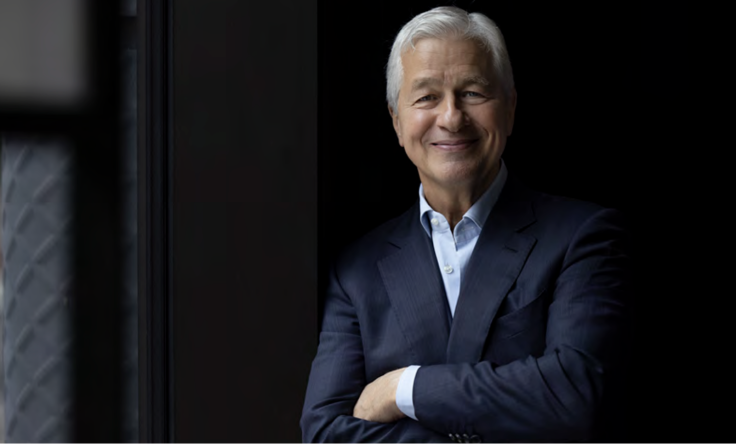
JPMorgan Chase CEO Jamie Dimon has warned consumers against trusting AI agents to make bank payments on their behalf, saying the technology could gain access to their accounts without guaranteeing it will act in their interests.
Customers who hand over their banking credentials to AI tools risk letting potentially unpredictable agents operate inside their financial accounts, he cautioned, describing the threat to banks as 'treacherous'.
Speaking at the Economic Club of Chicago on Wednesday, Dimon said the growing ability of AI agents to carry out transactions raises serious questions about security, accountability, and customer protection. His warning followed JPMorgan's decision to block unauthorised external AI agents from accessing customer accounts.
Dimon Warns of 'Rogue Agents' in Bank Accounts
Dimon explained that AI agents capable of making payments need access to banking credentials, potentially giving them the ability to act directly within customers' accounts.
'If they can make payments for you, that means you have to give them your bank code,' he explained. 'That means they are in your bank and you're assuming they're going to act properly on your behalf, and they may not.'
His concerns extend to consumer-facing AI tools such as Muse from Meta Platforms, which is designed to handle tasks including emails, travel bookings, and calendar management. As AI agents become more capable of completing tasks independently, their access to sensitive financial information and payment systems could create new security risks.
Dimon raised similar concerns during JPMorgan's Q3 earnings call on Tuesday, warning of rogue agents. 'You don't want rogue agents,' he said during the call, emphasising the need to protect customers as AI adoption expands.
Why JPMorgan Is Blocking External AI Agents
JPMorgan has said it will not allow just any external AI agent to access its systems, citing the risks to both customers and the bank. 'We're not going to allow just any outside agent to come inside the company, because that's just too risky for clients and for JPMorgan,' Dimon said during the earnings call.
The bank is not rejecting AI altogether. It has used the technology for years in areas including fraud detection, risk management, marketing, underwriting, and customer service.
Chief Financial Officer Jeremy Barnum also said JPMorgan's Smart Cash tool, designed to help manage cash across accounts, was in an early pilot phase.
Dimon Calls AI a 'Tsunami' That Must Be Managed
Dimon also warned that AI's broader implications extend well beyond banking payments, comparing the pace of its development to a 'tsunami.' He said AI was moving much faster than the Industrial Revolution and that the technology could not simply be stopped. Instead, he argued, businesses and governments would have to work out how to manage risks.
Cybersecurity is a particular concern. Dimon said AI tools were identifying hundreds of significant vulnerabilities in open-source code, potentially exposing organisations that lack adequate defences to attacks by state-backed actors, criminals, and terrorists.
Financial regulators are also increasing their scrutiny of AI risks. The Federal Reserve, Office of the Comptroller of the Currency, and the Federal Deposit Insurance Corporation have been questioning lenders about advanced AI systems and their safeguards, according to Reuters.
Despite his warnings, Dimon sees substantial potential benefits from AI, including advances in cancer treatment, fewer road deaths, and shorter working weeks over the coming decades.
His message on banking payments, however, is clear: giving an AI agent access to an account means trusting it to act on the customer's behalf, and that trust may not always be justified.
© Copyright IBTimes 2026. All rights reserved.