

Biden's Final Year Outpaces Trump 2025 With 3 Times More Monthly Job Growth as 'Jobless Boom' Grips Economy
December adds just 50,000 jobs whilst October revised to show 173,000 lost
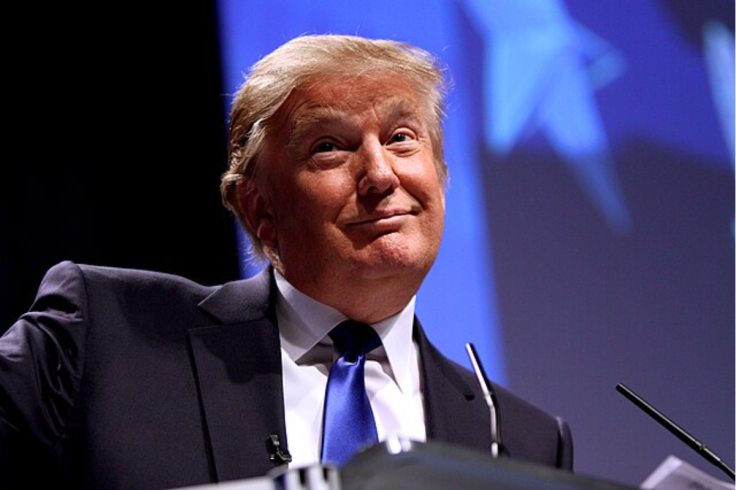
President Donald Trump's first full year back in office produced the worst year for hiring outside of a recession since 2003, with the economy adding far fewer jobs than in President Joe Biden's final year.
December's employment figures came in well below expectations, with employers adding just 50,000 jobs. The Bureau of Labor Statistics data, released Friday, also included a stark downward revision for October, which saw the economy shed 173,000. The numbers present a significant political challenge for an administration that campaigned heavily on its economic credentials.
When 'Strong Growth' Doesn't Mean More Jobs
The economy is technically growing. GDP is stable, stock markets are hitting records, and corporate profits are healthy. Yet hiring has slowed dramatically, with just 584,000 jobs added across the entire year.
Heather Long, chief economist at Navy Federal Credit Union, summed it up bluntly on CNBC: 'It's fair to say that 2025 was a hiring recession in the United States. The United States is experiencing a jobless boom where growth is strong, but hiring is not. It's a great scenario for Wall Street, but an uneasy feeling on Main Street.'
The disconnect between corporate performance and job creation has become impossible to ignore. Companies are performing well, but workers are not seeing the benefits.
Fed Chair Decision Looms Amid Uncertainty
The weak jobs data complicates Trump's decision on who will chair the Federal Reserve after Jerome Powell's term ends. Kevin Hassett, Trump's top economic adviser, is reportedly the frontrunner. Trump told The New York Times he's made his decision but wouldn't name names, only saying Hassett is 'certainly one of the people that I like.'
Hassett, who has a PhD in economics from the University of Pennsylvania, has shown flashes of independence. In December, he admitted Trump's proposed £1,600 ($1,600) tariff refund scheme 'is a mess' and 'would be very complicated.'
Whoever gets the job will inherit an economy with strong top-line numbers but worrying employment trends.
What Happens When Revisions Keep Getting Worse
The October revision is particularly troubling. Initial reports said 105,000 jobs were lost that month. Then it got revised to 173,000. November's figures were also marked down from original estimates, and there's every reason to think December will face similar adjustments.
Losing 173,000 jobs in a single month is recession territory. Having that happen whilst GDP grows creates the 'jobless boom' phenomenon Long described—an economy that looks healthy on paper but feels increasingly precarious for workers.
Industry watchers point to several possible culprits: trade policy uncertainty, companies choosing automation over hiring, and corporate investment strategies that prioritise efficiency over expansion. Whatever the cause, the result is clear—jobs simply are not being created at rates Americans have come to expect.
The US is experiencing a jobless boom.
— Heather Long (@byHeatherLong) January 9, 2026
Growth is strong, but there is a "hiring recession" with almost no hiring outside of healthcare and hospitality.
2025 was the worst year for hiring outside of a recession since 2003.
There was almost no hiring since April.
December is… pic.twitter.com/kS932Xg85p
Political Fallout Looms for Mid-Terms
For Trump, these numbers present a significant challenge. He campaigned heavily on his economic credentials and frequently slammed Biden's record. The new data shows Biden's final year in office delivered substantially better employment growth, with an average of 168,000 monthly job gains compared to just 49,000 per month in 2025.
With mid-term elections approaching in 2026, Republicans may struggle to defend their economic track record. Stock market gains matter to investors, but most voters care more about job availability and wages—areas where the administration's performance looks increasingly shaky.
The contrast between Wall Street success and Main Street struggles could define Democratic messaging heading into campaign season. When economists talk about a 'jobless boom,' they are describing an economy that works brilliantly for some whilst leaving others behind.
© Copyright IBTimes 2026. All rights reserved.