

California Cell Phone Ban Set for Schools in 2026, Forcing Students Offline
Officials aim to tackle rising anxiety and help pupils focus on their studies

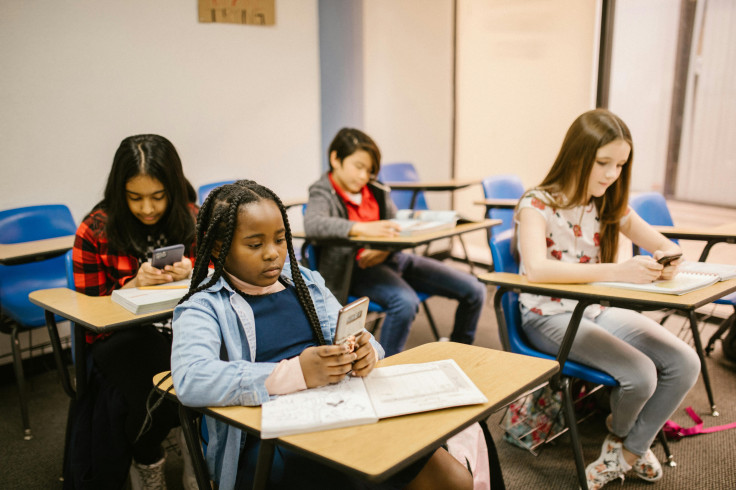
California is preparing to disconnect the classroom from the digital world as a statewide mobile phone ban approaches. Starting in 2026, pupils will be required to put away their devices to help foster a more focused learning environment. This significant shift aims to reduce distractions and prioritise face-to-face interaction across the Golden State's education system.
By 2026, every educational board in California must implement rules that limit or prohibit pupils from using mobile handsets on campus. These new mandates further stipulate that such guidelines undergo a review and refresh at least once every five years.
The 2026 Digital Disconnect
Governor Gavin Newsom first approved Assembly Bill 3216 three years ago, though the measures are not enforceable until July 2026. 'We know that excessive smartphone use increases anxiety, depression, and other mental health issues – but we have the power to intervene,' Newsom previously said in a statement.
'This new law will help students focus on academics, social development, and the world in front of them, not their screens, when they're in school,' he added.
The Governor endorsed comparable legislation in 2019, which explicitly confirmed that local education authorities have the right to control mobile handset use throughout the day. A few regions, such as Los Angeles Unified, have already established these protocols following a decision to forbid phone use during teaching hours starting in 2024.
In a similar move, the San Diego Unified School District launched a 'Phone-Free School Day Policy' on 11 August to mark the start of the term, covering every year group from early years up to the final stage of secondary education. Mobile devices are forbidden during teaching hours and must remain hidden from view, typically stored inside a rucksack.
Reclaiming the Classroom
Certain situations allow for flexibility. Pupils can operate their handsets before the morning starts or after the day concludes. Those in secondary education may use them while eating or moving between classrooms. Furthermore, devices stay available for urgent crises, for individuals with specific requirements who rely on them for learning, or if a member of staff integrates them into a particular activity.
'With the surge in technology during the pandemic, we opened the gates to a lot of device use,' Superintendent Dr Fabiola Bagula explained to CBS partner KFMB. 'Now we're asking, how do we want to move forward and keep students engaged, understanding that the cell phone is a tool?' she noted.
The Governor remains somewhat sceptical regarding every carve-out. He has indicated a leaning towards a statewide total prohibition during the entire academic day, including midday breaks. Nevertheless, he emphasised that he will not override the power of local boards. 'I have my point of view, sure, but I don't think it's appropriate to impose that,' Newsom told the Los Angeles Times, noting that headteachers and local officials shall have the ultimate say.
California authorities intend to decrease interruptions and improve pupil participation. Educational facilities will now receive precise instructions on appropriate times for mobile phone use. Every regional board is required to finalise a strategy by July 2026. Many areas have already begun introducing these procedures this year.
© Copyright IBTimes 2026. All rights reserved.