

Canadian Star Claire Brosseau Says She Can't Beat Mental Illness and Is Seeking Medically Assisted Suicide
Despite success, she's battled mental illness since her teenage years.
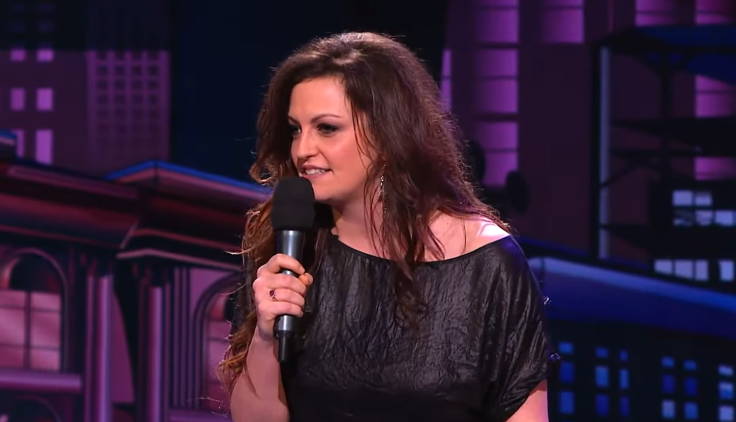
Canadian comedian and writer Claire Brosseau has become a central figure in a growing national debate over whether people whose sole underlying condition is mental illness should be allowed access to medically assisted death.
At 48, Brosseau expresses that years of treatment have not alleviated her pain, leading her to participate in a constitutional challenge against the federal government's ongoing exclusion of psychiatric patients from Medical Assistance in Dying (MAID).
Her case places a deeply personal story at the heart of a legal, medical, and ethical controversy that Canada has repeatedly postponed resolving.
Legal Battle Over Canada's MAID
The New York Times reports that Brosseau has become a plaintiff in a lawsuit supported by the advocacy group Dying With Dignity Canada. The case contends that preventing individuals with mental illness from accessing MAID infringes upon their constitutional right to equality under the law. This issue has seen several postponements by the federal government, which has pushed back eligibility for individuals whose only condition is mental illness until at least March 2027.
In 2021, Canada made MAID available to more people after a court in Quebec said it was illegal to only help people who were near the end of their lives. Nevertheless, legislators established a short-term exemption for mental health problems, pointing out the necessity for additional protections. Critics argue that the postponement has turned into an open-ended situation, placing patients such as Brosseau in a state of legal uncertainty.
Court documents cited by Dying With Dignity Canada say that independent assessors came to the conclusion that Brosseau would meet the MAID eligibility requirements for other chronic illnesses if she didn't have a mental health condition that kept her from being eligible.
Inside Claire Brosseau's Life Struggle
Brosseau has made a significant impact in the field of Canadian comedy and television writing, boasting a career that includes performances in major comedy clubs, roles in films, and various screenwriting endeavours. Despite her public success, she has faced serious issues with severe mental illness since her teenage years, including bipolar disorder, eating disorders, substance abuse, and chronic suicidal ideation.
Even though she received extensive care, such as more than two dozen medications, electroconvulsive therapy and multiple forms of psychotherapy, she says the relief has always been temporary. 'Every day I don't know if I'll get through the day,' she said in a previous interview, describing a life she feels is dominated by relentless psychological pain.
Her experience with involuntary hospitalisation in 2021, which she has characterised as traumatic, drastically lowered her faith in the mental health system. An Ontario review panel concluded that there was no wrongdoing at the time, yet the incident served as a pivotal moment in her choice to cease further treatment.
Mental Health and Suicide Crisis
Brosseau's case is connected to a larger mental health crisis. Government data show that suicide continues to be one of the top causes of death for Canadians between the ages of 15 and 49, while there are disparities in access to psychiatric care across different provinces.
There is a division among psychiatrists themselves. There is a debate surrounding treatment-resistant mental illness, with some asserting that it can be as unyielding as physical ailments. On the other hand, others warn that feelings of hopelessness may frequently stem from the illness itself and not a stable wish to die.
In Brosseau's case, one of her psychiatrists has publicly supported her ability to make her own choices, while another believes that upcoming treatments could potentially change her viewpoint.
Public opinion mirrors that divide. While surveys show broad support for MAID in end-of-life cases, support drops sharply when mental illness is involved, reflecting deep discomfort with where the boundaries should lie.
Where to Seek Urgent Help
If you or someone you know is struggling with suicidal thoughts or emotional distress, help is available.
In Canada, individuals seeking assistance can contact Talk Suicide Canada at 1‑833‑456‑4566, or send a text to 45645 if it's midnight. More resources for mental health support can be found through the official website of Government of Canada. Also, feel free to reach out by calling or texting 988.
In the United Kingdom and Ireland, people can access free and confidential support from the Samaritans by calling 116 123. In the United States, the Suicide & Crisis Lifeline can also be reached 24/7 by calling or texting 988.
These services are private and accessible to anyone seeking urgent assistance.
© Copyright IBTimes 2026. All rights reserved.
- MOST POPULAR IN World


