Chernobyl Nuclear Shield Breached: IAEA Confirms Drone Strike Compromises Reactor Safety Dome
The structure was designed to prevent radiation leakage from reactor that was destroyed nearly four decades ago.
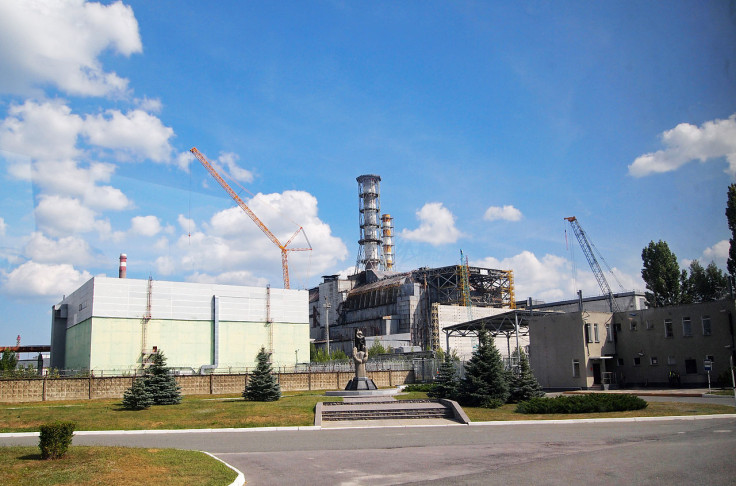
The protective steel shield at the Chernobyl nuclear plant in Ukraine, constructed to contain radioactive material from the 1986 disaster, has reportedly lost its primary safety functions following a drone strike. The structure, completed in 2019 and known as the New Safe Confinement (NSC), was designed to prevent radiation leakage from reactor Number Four, which was destroyed nearly four decades ago.
The inspection was conducted by the International Atomic Energy Agency (IAEA), which serves as a nuclear watchdog for the United Nations. IAEA Director General Rafael Grossi revealed that the assessment showed the protective dome had compromised its primary safety functions, particularly its confinement capability. However, it was also noted that there was no permanent damage to its load-bearing structures or monitoring systems.
While emergency repairs that have been made, Grossi highlighted the critical need for thorough restoration to avert additional deterioration and guarantee enduring nuclear safety.
In 2026, the Chernobyl site is set to initiate further temporary repairs, backed by the European Bank for Reconstruction and Development (EBRD). These efforts will focus on restoring the NSC's confinement function, preparing for full restoration after the conflict.
Chernobyl Drone Attack Explained
Ukrainian authorities reported that a drone armed with a high-explosive warhead struck the plant on 14 February 2025, causing a fire and damaging the protective cladding around the already-dismantled reactor.
Kyiv claims that Russian forces are responsible for the attack, while Moscow has refuted any connection to the incident. The strike occurred during the continuing conflict that started with Russia's invasion of Ukraine in February 2022, when Russian forces temporarily took control of the Chernobyl site and its adjacent exclusion zone.
Despite the impact, the IAEA has reported that radiation levels at the plant have remained stable and within safe limits, with no leaks detected after the drone attack.
Implications of the Breach
The breach of Chernobyl's NSC raises serious questions about nuclear safety and long-term environmental risks. While radiation levels remain stable for now, experts warn that further deterioration of the steel structure could increase the risk of radioactive material escaping into the surrounding environment. If radioactive particles were to spread, they could contaminate soil, water, and local ecosystems, entering the food chain and possibly affecting human populations.
Exposure to radioactive materials can have serious health effects. Short-term exposure to high radiation doses can cause acute radiation sickness, including nausea, vomiting, and fatigue. Long-term exposure increases the risk of developing cancers, particularly thyroid cancer, leukaemia, and other malignancies linked to radiation.
Children and pregnant women are especially vulnerable, as radiation can affect growth and development. Contaminated food or water could lead to internal radiation exposure, which may accumulate over time and result in organ damage or chronic health problems.
Inside Chernobyl Plant: Disaster and Legacy
Chernobyl's Reactor Number Four, located within the Chernobyl Nuclear Power Plant in northern Ukraine, began operation in 1977 and was intended to generate electricity for the Soviet Union. On 26 April 1986, a catastrophic explosion released vast amounts of radioactive material across Europe, marking one of the worst nuclear disasters in history.
The immediate aftermath was tragic. More than 30 people were killed in the nearby city of Pripyat, and many others experienced acute radiation sickness. In the decades since, residents exposed to radiation have continued to suffer long-term health consequences, including increased rates of cancer and birth defects, according to the IAEA and the World Health Organization.
The disaster led to mass evacuations and the creation of a 30-kilometre exclusion zone, which remains largely uninhabited. The facility maintained restricted operations until the year 2000. Then in 2019, the New Safe Confinement—a massive steel structure designed to encase the destroyed reactor—was completed to prevent further radiation leaks and secure the site's safety moving forward.
The Chernobyl disaster remains a powerful reminder of the risks of nuclear energy and the critical need of maintaining stringent safety protocols.
© Copyright IBTimes 2026. All rights reserved.
- MOST POPULAR IN World