

Pentagon Contractor Indicted for Allegedly Leaking Classified Documents to Washington Post Reporter
Pentagon contractor with top security clearance is accused of leaking classified intel to a journalist whose home was raided
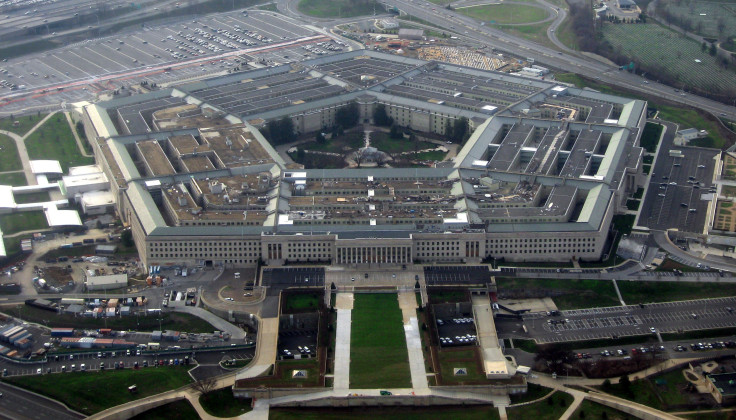
A federal grand jury in Maryland has indicted a Pentagon contractor for allegedly leaking classified documents to a Washington Post reporter. The leak resulted in an FBI raid on the reporter's home, with the outlet demanding the return of seized materials.
According to US Justice Department, the Pentagon contractor, Aurelio Luiz-Perez Lugones, allegedly provided classified information 'related to national defence' to a Washington Post reporter. The department then said the reporter wrote and published at least five articles using said information. Perez-Lugones was arrested on 8 January and has been under police custody ever since.
Maryland Man Indicted on Unlawful Transmission and Retention of Classified National Defense Information Charges https://t.co/gTA7EbtQAS@FBIWFO pic.twitter.com/fQq5MUQwbH
— FBI (@FBI) January 23, 2026
Navy Veteran With Security Clearance
Perez-Lugones is a Navy veteran who has top secret security clearance as a systems engineer and information technology specialist for a defence department contractor. FBI Director Kash Patel issued a statement announcing the indictment of Perez-Lugones.
'Perez-Lugones allegedly printed and removed classified documents from his workplace on multiple occasions, took them home, and later passed them to a reporter who used the information in news articles,' said Patel. 'Protecting our country's secrets is essential to the safety of our most sensitive intelligence, military, and law enforcement operations. The FBI will continue to aggressively investigate everyone who seeks to undermine our national security and hold them accountable.'
The US Attorney's Office for Maryland said that Perez-Lugones allegedly took screenshots of top secret documents on several occasions and pasted them onto Word documents and other applications to conceal his 'unauthorised review and access.' Prosecutors have also said that Perez-Lugones illegally transmitted photos of the confidential documents on an encrypted messaging app to write to someone referred to as 'Reporter 1.'
'I'm going quiet for a bit...just to see if anyone starts asking questions,' Perez-Lugones allegedly said.
A secret lunch box was also found in Perez-Lugones' car that had a document marked 'Secret' according to the US Attorney's Office.
A federal grand jury indicted a Laurel, Maryland, man for mishandling classified information. Between October 2025 and January 2026, Aurelio Luis Perez-Lugones, 61, repeatedly accessed classified reports, copied sensitive information, and then transmitted the information to a… pic.twitter.com/vryCmUeZL7
— US Attorney Maryland (@USAO_MD) January 23, 2026
FBI Raids Washington Post Reporter's Home
The FBI raided the home of Washington Post reporter Hannah Natanson on 14 January, which the publication described as a 'highly unusual and aggressive move.' In the raid, authorities seized two laptops, a hard drive, a recording device, her smart watch, and her mobile phone. A federal judge has since temporarily blocked prosecutors from reviewing the devices taken from the raid.
The court is also set to conduct a review of the Washington Post's request to return Natanson's equipment while the block is in place.
Breaking news: The FBI executed a search warrant Wednesday morning at a Washington Post reporter’s home as part of an investigation into a government contractor accused of illegally retaining classified government materials. https://t.co/zAfue7jAi1
— The Washington Post (@washingtonpost) January 14, 2026
Washington Post Files to Retrieve the Devices
Lawyers for the publication filed court documents on Thursday, condemning the government's aggressive raid and seizure of Natanson's devices. They described it as a violation of the 'Constitution's protections for free speech and a free press and should not be allowed to stand.' They further criticised the seizure of Natanson's equipment, saying that it 'chills speech, cripples reporting, and inflicts irreparable harm every day the government keeps its hands on protected materials.'
The publication's attorneys further wrote that the court must order the return of Natanson's equipment and warned that 'anything less would licence future newsroom raids and normalise censorship by search warrant.' This is the first response by the Washington Post to the court.
Many journalists said they saw the FBI raid of a Washington Post reporter’s home as a jarring new step aimed at limiting news organizations’ ability to gather information that the government does not want to be made public. https://t.co/9su390kElJ
— The Washington Post (@washingtonpost) January 15, 2026
The Washington Post's legal team have repeatedly sought out federal officials about the seized materials, and the government agreed that it would not start a 'substantive review' of the data until a meeting on 20 January. However, after that, the government rejected a proposal to return the equipment.
In a declaration attached to the request, Natanson detailed how the raid and seizure of her materials upended her work and potentially exposed personal information that is not related to her reporting, including 'medical information, financial information, and even information about my wedding planning'. Natanson further stressed that she needs her devices back not only to do her job but to help her peers in theirs.
Natanson also warned that the longer the government has her devices, the more her sources will be reluctant to reach out to her moving forward.
© Copyright IBTimes 2026. All rights reserved.
- MOST POPULAR IN World


