

China Challenges US Sanctions Threat Over Iran Oil as Risk of Wider Economic Conflict Grows
Beijing rejects US pressure, defends Iran trade amid sanctions
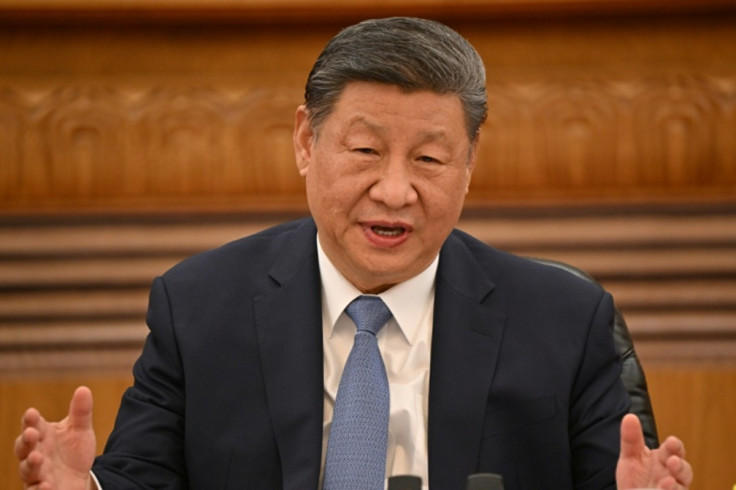
China has warned the United States that it will take necessary measures to protect its interests after Washington expanded sanctions against Iran and threatened countries and companies continuing to trade with Tehran.
The warning adds a new dimension to the US campaign against Iran, putting Beijing's major energy relationship with Tehran at the centre of an increasingly sensitive dispute between the world's two largest economies.
Chinese Foreign Ministry spokesperson Lin Jian said on 25 August that Beijing opposed unilateral sanctions without a basis in international law or authorisation from the UN Security Council. He said China's cooperation with Iran was conducted within international law and should not be disrupted.
Beijing Rejects US Pressure Over Iran Trade
China is a major buyer of Iranian oil and has maintained economic ties with Tehran despite Washington's long-running sanctions campaign.
Asked about the newly sanctioned Chinese entities and whether Beijing would change its dealings with Iran, Lin said China was closely monitoring developments and would do everything necessary to safeguard its rights and interests.
The warning is significant because Washington's latest measures are designed to increase pressure not only on Iran but also on businesses and countries that continue helping Tehran generate revenue.
Any confrontation with Chinese companies could therefore transform the sanctions dispute into a wider economic conflict.
US Expands Sanctions on Iranian Oil Network
The US Treasury announced its latest sanctions campaign on 24 August under the name Operation Economic Outcast.
The department said it was targeting nearly 60 individuals, entities and vessels across several jurisdictions involved in activities supporting Iran, including oil-revenue generation, nuclear and missile technology procurement and cyber operations.
Treasury Secretary Scott Bessent said the measures would broaden the risk of secondary sanctions against those continuing to conduct business with Iran.
The campaign also includes additional guidance relating to sanctions risks associated with shipping through the Strait of Hormuz, one of the world's most important energy corridors.
Why China's Role Matters
China's position is particularly important because Iranian oil remains a significant part of its energy relationship with Tehran.
Washington has previously targeted China-based companies involved in Iran's oil trade. In April, the US Treasury sanctioned a major Chinese independent refinery and around 40 shipping firms and vessels accused of facilitating Iranian petroleum exports.
The latest measures stop short of targeting China's major financial institutions, but Bessent has warned that the US sanctions campaign could reach businesses that continue supporting Iran.
That creates a difficult calculation for Beijing. Complying with Washington could disrupt its relationship with Tehran, while openly resisting the sanctions could increase tensions with the US.
Global Oil Markets Face New Uncertainty
The dispute also carries consequences beyond the US, China and Iran.
Any disruption to Iranian oil exports or shipping through the Strait of Hormuz could affect global energy supplies and prices. China has also warned that economic warfare and maximum pressure could fuel tensions, create spillover risks and disrupt the wider global financial order.
For Washington, the objective is to isolate Iran economically and restrict the revenue supporting its government and military capabilities.
For Beijing, the priority is protecting its trade and national interests.
With the US sanctions campaign expanding and China refusing to accept interference in its Iran relationship, the dispute risks becoming more than an Iran sanctions issue. It could develop into another major test of already fragile US-China economic relations.
© Copyright IBTimes 2026. All rights reserved.