

Iran Threatens US Interests After Washington Expands Sanctions and Targets Oil Trade
Washington's latest sanctions target Iran's oil trade, raising tensions and potential retaliation threats
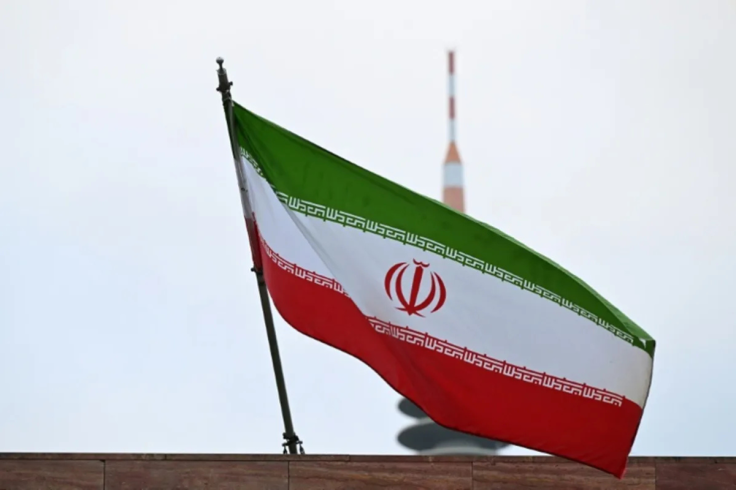
Iran has threatened retaliation against US interests after Washington imposed a sweeping new round of sanctions targeting Tehran's oil trade, shipping networks and other sources of revenue, escalating an already dangerous confrontation in the Middle East.
The United States announced the measures on 24 August 2026, targeting 60 individuals, entities and vessels linked to Iran. Washington said the campaign was designed to cut off financial channels supporting Tehran while warning countries and companies continuing to trade with Iran that they could face further penalties.
Iran has responded by warning that further pressure could trigger retaliation against American interests, raising fresh concerns over shipping and energy supplies through the region.
Why Iran Is Threatening Retaliation
Iranian officials have rejected the sanctions as economic aggression and warned that Tehran is prepared to respond if its infrastructure or interests come under further pressure.
The threats carry particular significance because Iran retains influence over the Strait of Hormuz, one of the world's most strategically important energy routes.
The United States has been seeking to restrict Iranian activity affecting shipping in the Gulf and Red Sea, while Tehran has previously used its position around the Strait of Hormuz as leverage during confrontations with Washington.
US officials are attempting to squeeze Iran economically without triggering measures that could cause a wider disruption to international financial markets or global energy supplies.
Washington Targets Iran's Oil Network
The latest sanctions focus heavily on the network that enables Iran to sell oil overseas despite existing restrictions.
The US Treasury said its campaign is aimed at disrupting the financial and commercial infrastructure supporting Iran's oil exports, including shipping and other mechanisms used to move petroleum through international markets.
Treasury has previously identified Iran's so-called shadow fleet as a major mechanism for transporting crude oil and petroleum products to overseas buyers. It has also targeted companies and vessels involved in moving Iranian oil through complex ownership and shipping arrangements.
The latest measures are intended to make those networks increasingly difficult and expensive to operate.
China Becomes a Critical Test
The sanctions also place pressure on Iran's major trading partners, particularly China, which remains a crucial buyer of Iranian oil.
US Treasury Secretary Scott Bessent has warned countries maintaining economic relationships with Tehran that they could face consequences under Washington's expanded sanctions policy.
However, the administration has so far avoided the most severe measures against major Chinese financial institutions, reflecting concerns that directly targeting China's banking system could create significant disruption to the wider global economy.
That leaves Beijing at the centre of the sanctions dispute and could turn Iran's oil trade into another major point of tension between China and the United States.
Strait of Hormuz Raises Global Risks
The economic confrontation comes as the Strait of Hormuz remains a crucial pressure point.
Any major disruption to shipping through the waterway could affect oil supplies and increase volatility in global energy markets. Previous US sanctions have attempted to reduce Tehran's ability to generate revenue from oil while also targeting networks accused of helping Iran bypass restrictions.
Washington's latest campaign creates a difficult calculation for both sides. The US wants to intensify economic pressure without provoking a wider regional crisis. Iran, meanwhile, has signalled that it will not accept unlimited pressure without responding.
With sanctions tightening and Tehran openly threatening retaliation, the next escalation could extend beyond the financial system and into global energy markets, commercial shipping and US interests across the Middle East.
© Copyright IBTimes 2026. All rights reserved.