

Citigroup Dethrones Goldman in Global IPOs as Investors Question Pricey Dividend
Dealogic data shows Citi leading by IPO value as shareholders weigh its dividend policy against capital needs, regulation and a potentially weaker deals market
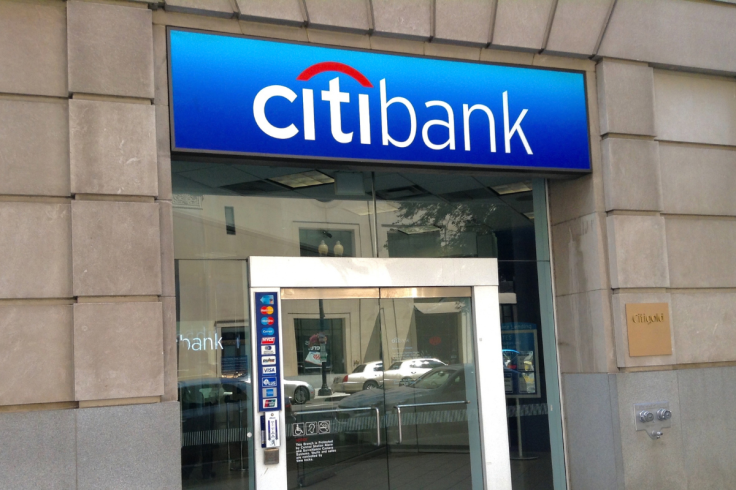
Citigroup overtook Goldman Sachs as the world's top bookrunner for initial public offerings, by deal value in 2023, according to Dealogic data, even as some investors questioned whether its rich dividend payouts were sustainable amid a choppy deals market.
Despite its success in capturing new issues, Citi faces scrutiny from some analysts and shareholders over whether it can maintain both its current dividend policy and its strengthened position in global equity capital markets if deal activity weakens further.
Citi Knocks Goldman off the Top Spot in IPO Bookrunner Rankings
Citigroup emerged as the leading global bookrunner for IPOs in 2023 by deal value, overtaking Goldman Sachs in international league tables compiled by Dealogic.
The bank's ascent was driven by a series of large listings across North America, Europe and Asia, where it used its broad corporate relationships to secure senior roles. While overall IPO issuance in 2023 stayed below pre‑pandemic highs, Citi's market share expanded enough to push it ahead of Goldman, according to Dealogic data.
Goldman, long regarded as the default choice for blue‑chip flotations, has faced a thinner line‑up of mega‑deals and greater competition from rivals including JPMorgan, Morgan Stanley and Citi.
Investors Query 'Pricey' Dividend Payout
Citi's rise in the IPO rankings has coincided with growing concern among some shareholders over the cost of its generous dividend policy.
The bank's dividend yield has reached a level several analysts describe as 'pricey' relative to peers, particularly in light of patchy equity capital markets activity and the need to retain capital for regulatory buffers.
Some investors fear that maintaining such a high pay‑out ratio could leave less room for Citi to invest in areas that underpin its investment banking ambitions, including risk systems, digital platforms and senior hiring.
Others argue that returning capital is justified after years of restructuring and that the elevated yield reflects market scepticism about Citi's long‑term earnings rather than an inherently unsustainable policy.
Balancing Capital, Regulation and Growth
The debate over the dividend comes against a backdrop of tighter capital requirements for global systemically important banks.
Citi must juggle shareholder demand for income with stress‑test results, higher risk‑weighted assets and potential changes under 'Basel III endgame' rules.
Analysts note that a softer period for IPOs or a pullback in broader capital markets revenues could quickly make a high dividend harder to defend, particularly if credit conditions deteriorate or regulators push for thicker cushions.
The bank's management has repeatedly emphasised its commitment to disciplined capital allocation and to returning excess equity to investors, while also funding targeted growth in fee‑generating businesses.
What Citi's IPO Push Means for Rivals
Citi's move into the top slot in IPO league tables has implications across Wall Street and the City.
For Goldman, the loss of its long‑held leadership in IPOs underscores how sensitive league tables are to swings in deal flow and sector exposure. A handful of delayed or cancelled jumbo listings can alter rankings for the year.
For Citi, the challenge is to convert a strong year into a durable shift in client perceptions, particularly among large multinational issuers that have traditionally favoured Goldman and JPMorgan for marquee transactions.
Rivals will be watching closely to see whether Citi's dividend stance limits its ability to commit balance sheet, underwriting capacity or risk limits in future cycles if markets turn.
© Copyright IBTimes 2026. All rights reserved.