

Deadly Nipah Virus Outbreak Has No Vaccine as Doctors Warn of Extreme Lethality
Doctors warn the virus has no approved vaccine or targeted treatment and carries a fatality rate of up to 75 per cent
A Nipah virus outbreak in eastern India has prompted renewed warnings from doctors and public health officials, as authorities move to contain confirmed cases and monitor hundreds of people who may have been exposed. The virus, which has no approved vaccine or targeted treatment, is known for its high fatality rate and ability to spread through close contact.
Health officials in West Bengal confirmed several cases in January, including infections among healthcare workers, leading to hospital quarantines and intensified tracing of contacts. While the outbreak remains geographically limited, experts say the situation underlines the risks posed by rare but highly lethal zoonotic diseases.
Medical authorities have stressed that early detection and strict infection control are currently the most effective defences. With symptoms that can resemble more common viral illnesses in the early stages, clinicians have warned that delays in diagnosis can increase the risk of severe outcomes and onward transmission.
What Is the Nipah Virus?
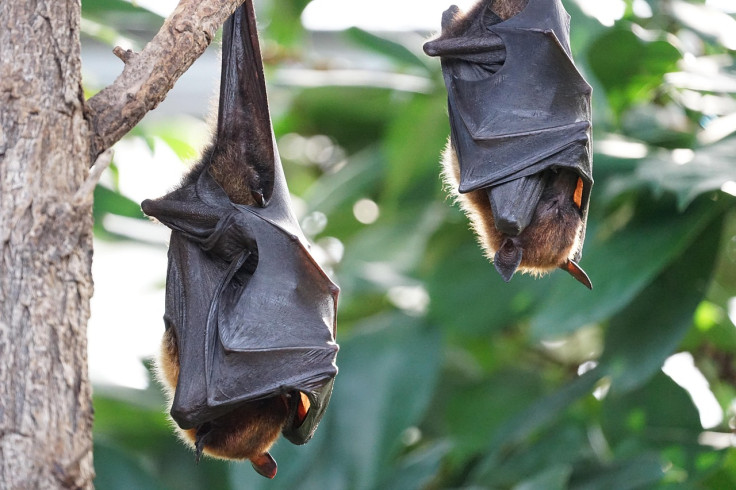
Nipah virus is a zoonotic disease, meaning it can spread from animals to humans. It is most commonly carried by fruit bats and has also been linked to transmission via pigs in some outbreaks. Humans can become infected through contact with infected animals, consumption of contaminated food, or direct person-to-person transmission through bodily fluids.
The World Health Organization has identified Nipah as a priority pathogen because of its epidemic potential and high mortality rate. Previous outbreaks in South and South-East Asia have recorded fatality rates ranging from about 40 per cent to 75 per cent, significantly higher than many other viral infections.
There is currently no approved vaccine or specific antiviral treatment for Nipah virus infection. Medical care is limited to supportive treatment, including intensive care for patients who develop severe respiratory illness or neurological complications.
India’s One Health approach strengthens preparedness against Nipah virus by integrating human, animal and environmental health surveillance.
— Ministry of Health (@MoHFW_INDIA) January 18, 2026
The strategy focuses on early detection, safe food practices, infection prevention, and timely care to reduce transmission risks.… pic.twitter.com/AMmsTaScNn
Symptoms and Transmission Risks
Early symptoms of Nipah virus infection can include fever, headache, muscle pain, sore throat and vomiting. In more serious cases, the illness can progress rapidly to breathing difficulties or inflammation of the brain, known as encephalitis. Patients may experience seizures, coma and, in some cases, long-term neurological damage.
Doctors have warned that the early stages of infection can resemble illnesses such as influenza or Covid-19, which can delay diagnosis. Transmission between people has been documented, particularly in healthcare and caregiving settings where close contact occurs.
Health guidance in affected areas advises people to avoid raw date palm sap and fruit that may have been contaminated by bats, to practise strict hand hygiene, and to seek medical attention promptly if flu-like symptoms develop.
BREAKING WORLD NEWS:
— African Hub (@AfricanHub_) January 26, 2026
Airports in several Asian regions, including Nepal, Thailand, Taiwan, and Hong Kong, have ramped up health screening measures for passengers arriving from India following the Nipah virus outbreak reported in West Bengal state. pic.twitter.com/60syFFF0NA
BREAKING:
— Current Report (@Currentreport1) January 25, 2026
Thailand has begun tightening health screening at major international airports after India confirmed 5 cases of Nipah virus, a disease with a mortality rate of up to 75%. pic.twitter.com/rygLactDOH
Situation in West Bengal
Indian health authorities confirmed at least five cases of Nipah virus infection in West Bengal in January, prompting the quarantine of around 100 people identified as close contacts. One hospital in Barasat, near Kolkata, has played a central role in the response, with staff placed under monitoring and infection control measures strengthened.
Officials have said the situation remains under close review, with repeated testing being carried out to identify any delayed onset of symptoms. No international spread has been reported.
Public health experts have said the outbreak serves as a reminder of the ongoing threat posed by emerging infectious diseases. With no vaccine available and limited treatment options, vigilance, early detection and strict hygiene practices remain essential to preventing further spread.
© Copyright IBTimes 2026. All rights reserved.