

DOJ Slammed After Failing to Redact 'Jane Doe' Epstein Survivor's Name While Trump Mentions Are Omitted
Justice Department's partial release of Jeffrey Epstein documents exposes a critical redaction failure
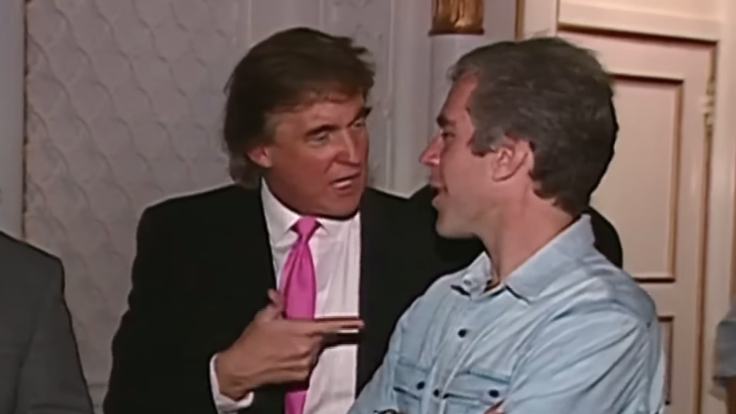
The US Department of Justice (DOJ) is facing fierce bipartisan backlash after its mandated release of long-sealed documents related to convicted sex trafficker Jeffrey Epstein contained a glaring oversight: the unredacted name of a survivor, while high-profile references, including those relating to Trump, were scarce or removed.
The partial disclosure of Epstein files, made under the Epstein Files Transparency Act (H.R.4405), was intended to bring clarity to decades of secrecy surrounding the financier's crimes and associations. Instead, the initial tranche of documents has raised urgent questions over the DOJ's competence, transparency and prioritisation of victim privacy.
Legal Mandate and Redaction Process
Under the Epstein Files Transparency Act, passed overwhelmingly by Congress and signed into law by Trump, the DOJ was required to make publicly available all unclassified documents in its possession relating to Jeffrey Epstein by Dec. 19, 2025.
The statute explicitly allows only limited redactions, primarily to protect the identities of victims and ongoing investigations, and requires written justification for each redaction submitted to Congress. In preparing the release, the DOJ identified over 1,200 victims and relatives whose names needed redaction, a process overseen by more than 200 department attorneys.
Despite these efforts, at least one set of public disclosures included a survivor's name unredacted, according to legal filings and court records uncovered during reporting. Lawyers representing victims had previously urged the court to ensure all personally identifiable information would remain protected when records were authorised for release.
Trump's Mentions Sparsely Present, Files Removed
By contrast to the unprotected survivor name, references to Trump in the DOJ's release were limited. Reuters reported a noticeable absence of Trump's name across the newly disclosed documents, despite his public friendship with Epstein in past decades and his signing of the law compelling the files' release.
A photograph showing Trump with Epstein, Melania Trump and Ghislaine Maxwell was briefly available on the DOJ's website but vanished within a day with no official explanation.

In a weekend interview, Deputy Attorney General Todd Blanche insisted there was 'no effort to hold anything back because there's the name Donald J. Trump or anybody else's name', emphasising that any redactions were strictly for victims' privacy or legal requirements.
Blanche's comments directly counter public perceptions fuelled by the lack of Trump references and the removal of at least one Trump-related file. Critics argue this discrepancy undermines confidence in the Department's redaction process.
Bipartisan Outrage and Legal Scrutiny
The mixed reception to the partial disclosure immediately split across traditional political lines. Democratic Rep. Ro Khanna, co-author of the transparency law, stated that the release 'does not comply' with the statute's requirements, highlighting missing explanations for redactions and withheld materials. Republican Rep. Thomas Massie also criticised the release, saying the DOJ's actions 'grossly fail to comply with both the letter and the spirit of the law'.
In addition to congressional pressure, legal challenges may be looming. Lawyers for survivors and families have already filed letters and motions in federal court urging strict judicial oversight of all redactions, stressing that preserving victim anonymity is both a legal and moral imperative.
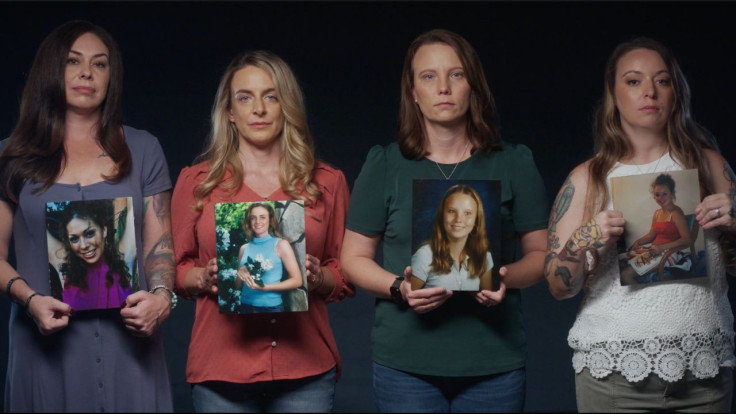
Meanwhile, survivors' advocates have voiced profound disappointment with the release's substance and structure. A joint statement reported by Time noted that many felt the DOJ's 'partial, staggered release, largely repeating already public information, lacking context, violates federal law and risks shielding the individuals and institutions who perpetrated and enabled this abuse'.
The DOJ has promised rolling releases of additional documents in the coming weeks and congressional oversight committees are due to examine redaction justifications as required by the law. However, the immediate fallout, including bipartisan condemnation and potential legal consequences, sets the stage for protracted battles over the Department's compliance and credibility.
Those remaining questions underscore a bitter irony: a law designed to shed light on decades of secrecy now faces intense scrutiny for how that light is being cast, and who, intentionally or not, remains in the shadows.
© Copyright IBTimes 2026. All rights reserved.