How to Set Up an Office Properly: A Practical Guide for a Productive Workspace
A practical guide to creating a workspace that supports focus, comfort, and long-term performance.
Creating a well-designed office is about far more than simply placing a desk in a room and plugging in a computer. A properly arranged office can improve productivity, reduce stress, and even support better physical health. Whether you are setting up a home office, a small business workspace, or a larger corporate environment, the way you organise the space strongly influences how efficiently and comfortably people can work.
A good office setup balances functionality with comfort while also considering aesthetics and the psychological impact of the environment. In British workplaces especially, there is often a strong focus on professionalism, practicality, and maintaining a calm, organised atmosphere. In this guide, we explore the most important elements involved in setting up an office the right way.
Start with a Clear Purpose and Layout Plan
Before purchasing anything or rearranging furniture, determine the purpose of the office. Is it primarily for quiet, focused work? Will it involve meetings with clients? Does it require collaborative teamwork, or is it mainly for individual tasks?
Once you have answered these questions, you can plan the layout accordingly. A well-planned office layout ensures smooth movement and helps the space feel open rather than cluttered. Desks should be positioned to allow easy access while keeping distractions to a minimum. For example, placing desks too close to busy corridors or near printers may lead to frequent interruptions.
It is also wise to think about zoning. Many modern offices include separate zones for different activities: a quiet area for concentration, a collaborative space for teamwork, and a meeting area for discussions. Even in a small office, zoning can be achieved through smart furniture placement and careful organisation.
Choose the Right Desk and Chair for Ergonomics
One of the most critical aspects of any office setup is ergonomic comfort. Poor posture and unsuitable furniture can lead to back pain, neck strain, and long-term health problems. In Britain, employers are increasingly aware of health and safety expectations, and home workers also benefit from proper ergonomic choices.
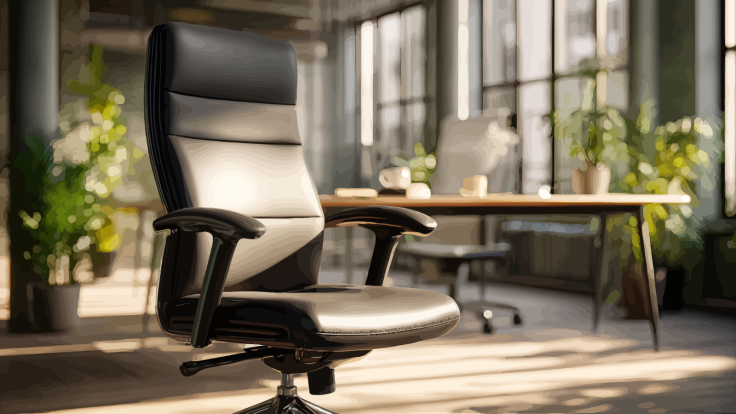
The desk should be the correct height, allowing the user's arms to rest comfortably at a natural angle when typing. The chair should provide good lumbar support and allow adjustments for height, back tilt, and armrests. Ideally, feet should rest flat on the floor, and the monitor should be positioned so that the top of the screen sits at or just below eye level.
Investing in quality seating is not a luxury—it is a necessity. A cheaper chair may save money initially, but it often leads to discomfort and reduced productivity. Choosing proper office furniture is one of the smartest decisions you can make when setting up a workspace.
Lighting Matters More Than You Think
Lighting can dramatically affect mood, focus, and energy levels. A poorly lit office can cause eye strain and headaches, while overly bright lighting can feel harsh and uncomfortable.
Natural light is ideal. If possible, position desks near windows, but avoid placing screens directly in front of sunlight, as this can cause glare. In many British offices, daylight can be limited during winter months, making good artificial lighting essential.
A combination of overhead lighting and task lighting works best. Desk lamps with adjustable brightness provide focused light for reading or writing. Warm white light is often more comfortable than cold, blue-toned light, especially during long working hours.
Storage and Organisation: Reduce Clutter, Increase Focus
An organised office is easier to work in and creates a more professional impression. Clutter, on the other hand, can be distracting and stressful. Proper storage solutions are essential, whether dealing with paperwork, stationery, or digital equipment.
Filing cabinets, shelves, and storage drawers help keep important items accessible while maintaining a tidy environment. Many modern offices are moving towards paperless systems, but documents are still common, especially in legal, financial, or administrative settings.
A simple rule is to keep frequently used items within arm's reach and store less-used items elsewhere. Desk organisers, cable management tools, and labelled storage boxes can make a significant difference.
Technology Setup and Cable Management
A properly designed office should support the technology required for daily tasks. Computers, printers, Wi-Fi routers, charging stations, and video conferencing equipment should be positioned logically and safely.
Cable management is often overlooked but plays a major role in both appearance and safety. Loose cables can create trip hazards and make an office look untidy. Using cable trays, clips, or under-desk organisers keeps wires out of sight and improves the overall appearance of the space.
It is also important to ensure there are enough electrical outlets. Overloading extension leads is unsafe, so planning power access early is essential. In professional environments, consulting an electrician to install additional sockets may be worthwhile.
Consider Noise Levels and Privacy
Noise can be one of the biggest productivity killers in an office. Open-plan spaces may encourage teamwork, but they can also be disruptive if there is constant talking, phone calls, or background noise.
If possible, create quiet areas where employees can focus. Acoustic panels, carpets, and curtains can help reduce noise levels. Even soft furnishings can absorb sound and improve comfort.
Privacy is equally important. Meeting rooms or private booths provide spaces for confidential conversations, phone calls, or focused work. In a home office, privacy may involve positioning the desk away from household distractions or using room dividers.
Final Thoughts: Balance Practicality and Comfort
Setting up an office properly requires careful planning and attention to detail. The best offices support productivity without sacrificing comfort. By focusing on layout, ergonomics, lighting, organisation, and wellbeing, you can create a workspace that feels professional, welcoming, and efficient.
Whether designing a home office or managing a business environment, investing time and effort into the setup pays long-term dividends. A well-arranged office is not just a place to work—it is a space that can inspire focus, creativity, and sustained success.
© Copyright IBTimes 2025. All rights reserved.
- Recommended For You