

Elon Musk Asks If Ambani Is the 'Real Boss of India,' Yet Ambani's Jio Signs Up to Sell Starlink
SpaceX chief steps up pressure as Jio awaits the same approvals
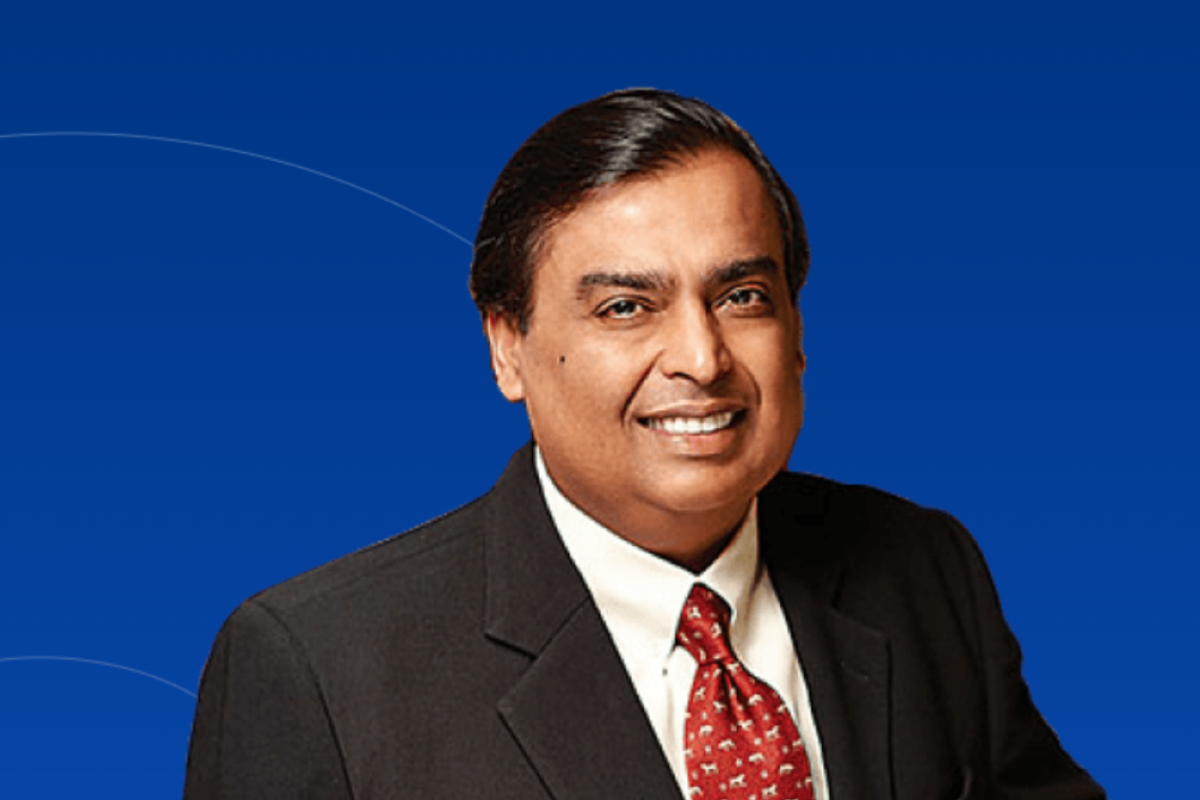
Elon Musk has escalated a row over Starlink's stalled India launch into a personal jab at Mukesh Ambani, managing director of Reliance Industries, asking whether Asia's richest man effectively runs the country. The barb skips over an inconvenient fact. Ambani's own Jio signed a deal last year to sell the very service Musk says is being blocked.
On Thursday, 8 October, the SpaceX chief put a blunt question to his followers on X. 'Is Ambani the real boss of India?' Musk wrote. It capped several days of mounting complaints over why his satellite internet venture still lacks the final clearances it needs to start selling in the world's most populous nation.
A day earlier he had gone harder. Musk accused unnamed 'oligarchs' of blocking Starlink to guard a 'monopolistic chokehold' over Indian consumers. He named no one and offered no evidence, writing only that people could guess who they were and branding the hold-up 'a crime against the people of India.'
Here is the part the fight obscures. The deal Jio signed in March 2025 only covers distribution. Jio Platforms agreed to stock, install, and sell Starlink kit across its retail network, pending government approval. Rival operator Bharti Airtel struck a near-identical arrangement the same week. Neither touched the thing Musk and Ambani are actually fighting over, which is how India hands out the airwaves satellite firms need to operate.
Elon Musk asks is Ambani the real boss of India? Short answer - Yes Long answer - Also Yes
— Kunal Kamra (@kunalkamra88) October 8, 2026
The Spectrum Fight Driving the Starlink Standoff
That dispute predates this week by a year. Ambani's Reliance pushed New Delhi to auction satellite spectrum, arguing that handing it out administratively would let foreign players sidestep the kind of costs domestic firms have already swallowed. Jio has spent roughly 19 billion US dollars (about 14 billion pounds) on traditional airwave auctions, and feared satellite operators could eventually muscle into voice and data, not just rural broadband. Musk wanted administrative allocation, the method used in most markets and favoured by the International Telecommunication Union.
New Delhi sided with Musk. Telecom minister Jyotiraditya Scindia defended the administrative route as a way to widen consumer choice, a decision that cleared a path for Starlink and Amazon's Kuiper while leaving Ambani on the losing side of the argument.
So the licence to distribute and the fight over spectrum run on separate tracks, which is why a signed Jio deal and a public insult can coexist.
Reliance Industries chairman Ambani controls Jio, India's largest mobile operator, with roughly 440 million subscribers. His silence through the week stood out. Neither Ambani nor Reliance answered the swipes, and the conglomerate did not respond to requests for comment.
Why the Starlink Delay Still Has Not Cleared
Indian officials rejected the claim that domestic business interests were the obstacle. The Ministry of Communications said Starlink, Eutelsat OneWeb, and Jio Satellite Communications were all at broadly the same point in the process, each undergoing security assessments that must be cleared before spectrum is assigned. New Delhi called the discrimination allegations baseless.
Starlink is not starting from scratch. It won a Global Mobile Personal Communication by Satellite licence from the Department of Telecommunications in June 2025, valid for 20 years, followed by clearance from the space regulator IN-SPACe. What remains is the spectrum assignment and a security sign-off tied to national security reviews.
The spat drew a political response. Rahul Gandhi, Leader of the Opposition, replied to Musk with a single line, 'Welcome to India, Elon.' Prime Minister Narendra Modi, who has courted Musk over Tesla and Starlink investment, stayed clear of the argument.
The prize explains the heat. Deloitte expects India's satellite broadband market to be worth about 1.9 billion US dollars (about 1.4 billion pounds) by 2030, and the country's rural, poorly connected interior is the kind of territory Starlink was built for.
The service already operates in more than 160 countries and counts over 12 million customers. Musk, worth around 672 billion US dollars (about 494 billion pounds) by the Bloomberg Billionaires Index, dwarfs Ambani's roughly 84.2 billion US dollars (about 61.9 billion pounds). Inside India, the signed deal still sits there, waiting on the same approvals he is now loudly demanding.
© Copyright IBTimes 2026. All rights reserved.