

Texas Pauses Billions in Rural Broadband Funding Over Alleged Elon Musk Starlink Bias
Rural households promised future-proof fibre could be locked into pricier satellite for years
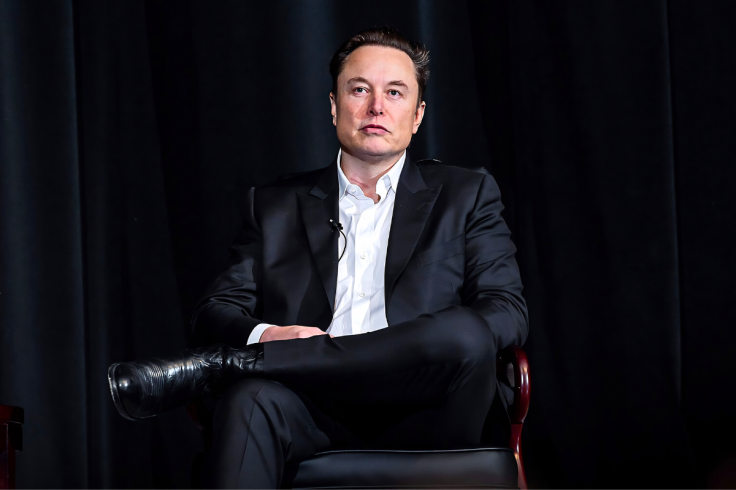
Texas has frozen billions of dollars in federal broadband grants after lawmakers accused the state of rewriting the rules to favour Elon Musk's Starlink, raising fears that rural households promised fast fibre will be pushed onto slower, pricier satellite instead.
The Texas Broadband Development Office placed a temporary hold on all payments under the Broadband Equity, Access and Deployment (BEAD) programme on 11 August, telling grant recipients the freeze would stand 'until further notice'. The office gave no public reason for the move.
Texas secured about $3.3 billion (£2.5 billion), the largest BEAD allocation of any state, from a national pot of $42.5 billion (£31.5 billion) created to wire up unserved homes. Roughly seven million Texans still live in areas lacking a reliable broadband connection.
How the Rules Changed
In 2025, the National Telecommunications and Information Administration (NTIA) dropped BEAD's fibre-first requirement and told states to award grants on a 'technology neutral' basis. The shift opened billions to low-earth-orbit satellite firms, chiefly Starlink.
Supporters argue the change stretches taxpayer money further because fibre is costly to lay in remote areas. State officials have said connecting some remote West Texas homes with fibre could cost as much as $130,000 (£96,000) each. Critics counter that the swap trades a future-proof network for a weaker one funded by the same public dollars.
What Rural Texans Stand To Lose
Fibre can deliver gigabit speeds at fixed prices for decades. Starlink averages around 100 megabits per second, can slow when too many users share a cell, and starts at about $50 (£37) a month before an equipment fee near $499 (£370).
Households that expected cheap, high-capacity fibre could instead be tied to costlier satellite for years, a service many could already buy without any subsidy at all.
Lawmakers Cry Foul
State Sen. Charles Schwertner, a Georgetown Republican, told a Senate committee hearing that the office altered its payment schedule for satellite providers just a day or two before awards went out. Bryant Clayton, the office's director, confirmed the change applied only to low-earth-orbit companies.
State Sen. José Menéndez, a San Antonio Democrat, said reports show millions in Texas taxpayer money were routed to Starlink. 'It is clear that Elon Musk does not need Texas taxpayer dollars,' he said.
State Sen. Nathan Johnson, a Dallas Democrat now running for attorney general, said Musk's firms were priced at three times their rivals and warned the award process may have involved coordinated corruption.
Musk, recently reported to be the world's first trillionaire, has drawn at least $38 billion (£28 billion) in US government contracts, subsidies, and tax breaks, according to a Washington Post analysis.
A National Template
Lt. Gov. Dan Patrick and House Speaker Dustin Burrows have ordered an audit of the office, with findings due before the legislature returns in January.
The stakes reach well beyond Texas. The same technology-neutral rule reshaped BEAD grants in states across the country, meaning millions of rural Americans could see promised fibre traded for satellite they help pay for through their own taxes. Departing federal broadband officials have warned that swapping fibre for satellite could leave those communities with worse service for a decade.
Nationwide, BEAD funding plans first announced in 2023 have faced systemic delays, and many local projects still haven't broken ground.
© Copyright IBTimes 2026. All rights reserved.