

Epstein Files Release Called a 'Brazen' Cover-Up After Heaps of Redacted Information
Justice Department's partial release of Epstein investigative materials raises legal, political and transparency concerns

The US Department of Justice's release of files related to Jeffrey Epstein on Dec. 19, 2025 has drawn fierce criticism from lawmakers and survivors, who describe the outcome as a 'brazen' cover-up due to extensive redactions and missed legal deadlines.
The disclosure came under the Epstein Files Transparency Act, a law passed unanimously by the Senate and overwhelmingly by the House (427–1), which required the attorney general to make public all unclassified Department of Justice and Federal Bureau of Investigation materials related to Epstein within 30 days of enactment. Trump signed the Act on Nov. 19, 2025, triggering the deadline for full release on Dec. 19, 2025.
Partial Release Under Scrutiny
Instead of a complete disclosure, the Justice Department published an initial batch of documents on its official DOJ Disclosures webpage, including thousands of files categorised under the Epstein Files Transparency Act (H.R.4405). The files encompass evidence lists, flight logs, FBI complaints, contact books and various investigative materials related to the long-running investigations into Epstein and his associate Ghislaine Maxwell.
Breaking News: Americans just got hoodwinked by their government.
— Power to the People ☭🕊 (@ProudSocialist) December 19, 2025
They did not release the full Epstein files. What they just released is heavily redacted in order to protect the child sex traffickers that they should be prosecuting.
There is no coming back from this. ⬇️ pic.twitter.com/6R0VGsdWZh
However, at least 550 pages of the released files were entirely redacted, including entire documents such as a 119-page grand jury file and multiple consecutive pages with no visible content at all. Deputy Attorney General Todd Blanche acknowledged the redactions and told media that protecting victims' identities was the key priority, and that additional files would be released in the coming weeks.
Legal Mandate Vs. Delivery
Critics argue that the Justice Department's partial release does not meet the clear legal requirements of the Epstein Files Transparency Act. The Act specifically mandates the public availability of all unclassified records, documents, communications, and investigative materials in possession of the DOJ and FBI relating to Epstein.
Lawmakers from both parties have vocally criticised the outcome. Democratic Representative Ro Khanna, one of the principal sponsors of the Act, said the heavy redactions and failure to release all records by the statutory deadline represented a violation of the law.
Republican Representative Thomas Massie similarly said the partial disclosure 'grossly fails to comply with both the spirit and the letter of the law'. Senate minority leader Chuck Schumer also denounced the DOJ's handling, warning that the department's actions could invite further congressional oversight and even legal action.
The Epstein Files Transparency Act also imposed a secondary 15-day deadline for the DOJ to provide Congress with a list of redactions and explanations for withheld materials, another requirement critics say has not yet been satisfied.
Redactions and Public Confidence
The scale and nature of the redactions have not only frustrated legislators but also survivors and advocates. Visual materials and text passages have been obscured on the grounds of protecting personal information, but critics say the extent of censorship, including whole documents devoid of any visible text, undermines public trust.
The Justice Department is not redacting the names of any politicians.
— U.S. Department of Justice (@TheJusticeDept) December 20, 2025
As @DAGToddBlanche made clear: “The only redactions being applied to the documents are those required by law — full stop. Consistent with the statute and applicable laws, we are not redacting the names of…
Among the unredacted content are photographs of Epstein with public figures, such as former US president Bill Clinton, and entertainers like Mick Jagger and Michael Jackson, though appearance in the files does not imply wrongdoing.
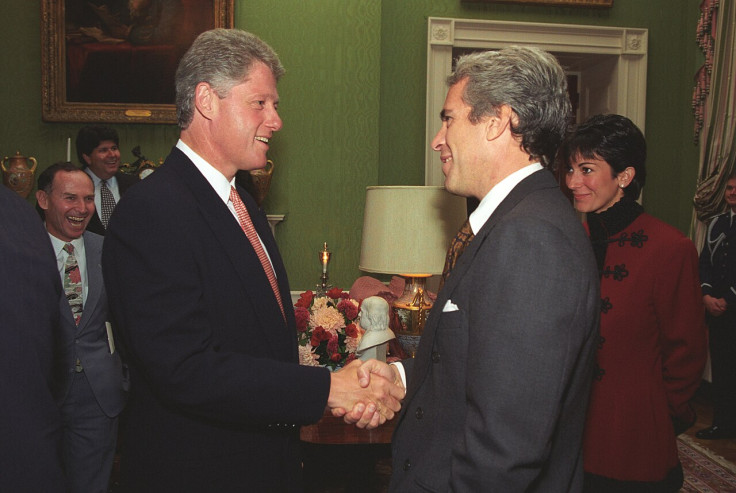
Some released images contain partial blackouts over victims' faces and names, a reflection of statutory obligations to shield minors and survivors. Nevertheless, the sheer volume of redaction has left significant blanks in the narrative that many had hoped the files would fill, including details about alleged enablers or accomplices beyond Epstein and Maxwell.
Long-standing demands for justice and truth are entwined with painful memories of abuse and institutional failure, and the redacted files make the path toward closure more opaque rather than clearer. The incomplete release fuels speculation and questions about why some information remains under wraps and whether future disclosures will shed more light on the shadows cast by Epstein's network. With legal challenges already hinted at by legislators and public pressure rising, the true impact of the Epstein files release will likely unfold over months of scrutiny, litigation and political debate.
© Copyright IBTimes 2026. All rights reserved.