

Epstein Unconscious In Noose Photos Fuel Ghislaine Maxwell's Murder Claims Against Prison Killers
New photos reveal Jeffrey Epstein's failed suicide attempt weeks before his death

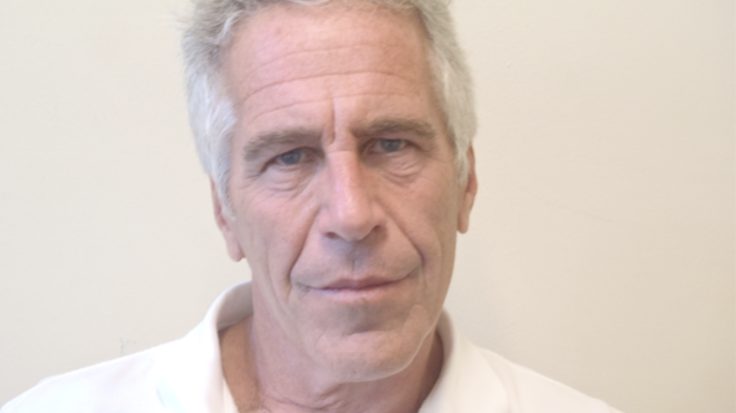
Harrowing new images have emerged from the Jeffrey Epstein scandal, showing the disgraced financier semi-unconscious in his prison cell with a makeshift noose around his neck. The photographs, dated 23 July 2019 and released by the US Department of Justice as part of ongoing file disclosures, capture Epstein curled in the foetal position on the floor of the Metropolitan Correctional Center in New York, breathing heavily and snoring.
The orange cloth noose lay nearby, marking what prison logs described as a 'possible suicide attempt' – an event just weeks before his death on 10 August 2019.
These images surfaced amid a fresh tranche of documents from Epstein's case files, obtained through Freedom of Information requests and court proceedings related to his sex trafficking charges.
⛔️Jeffrey Epstein is seen in new shocking photos after a possible suicide attempt‼️ pic.twitter.com/Id4T7Mn9qf
— Dr.Sam Youssef Ph.D.,M.Sc.,DPT. (@drhossamsamy65) December 24, 2025
Guards found the 66-year-old sex offender during a routine check, his reactions described as evasive: 'As inmate Epstein was being placed on the stretcher by responding staff, he would open his eyes and observe staff. When staff made eye contact with him, he would hurriedly shut his eyes,' the officer's report stated.
Epstein later claimed he was merely 'extremely tired' after a month without sleep, allowing him to be removed from suicide watch despite the red flags.
Renewed Scrutiny On Epstein Prison Death And Conspiracy Theories
The photos have reignited debate over Epstein's official cause of death – ruled a suicide by hanging while awaiting trial. Placed in an anti-suicide smock after the incident, he was supposed to be under constant supervision. Yet cameras malfunctioned, guards slept through checks, and protocols failed catastrophically. This comes as forensic experts cited in related reports have long argued Epstein's neck fractures were more consistent with homicidal strangulation than suicidal hanging, with ligature marks and hyoid bone damage atypical for self-inflicted asphyxiation.
Biographer Andrew Lownie, whose work scrutinised Prince Andrew's Epstein ties, dismissed the suicide narrative outright. 'You've got lawyers saying Epstein was not in a 'suicidal mood'; you've got other prisoners saying it's very difficult to commit suicide in prison; you've got clearly the guards falling asleep at the right time; you've got the cameras not working,' he said.
Lownie, author of Traitor King: The Scandalous Exile of the Duke & Duchess of Windsor, pointed to a 'fellow convict brought in to do this' – possibly orchestrated by federal interests to silence Epstein before he could testify about his powerful associates. 'There are a lot of unanswered questions around the death, which a lot of people have long suspected was not suicide.'
Even Epstein's inner circle harbours doubts. Ghislaine Maxwell, his convicted accomplice serving 20 years for sex trafficking, reportedly believes he was murdered, according to her brother Ian Maxwell. 'Ghislaine believes he was murdered, and certainly there were murderers on the wing of the prison where Epstein was held,' Ian stated in interviews tied to the case documents. He floated another grim possibility: Epstein paying for his own demise to avoid trial humiliation. 'It's a theory that can't be discounted.'
A 'strange object' – a wire flex from a CPAP sleep apnoea machine – was also found in the cell, unexplained in official reports and fuelling speculation of foul play. Bruises on Epstein's hands in post-incident photos add to the anomalies.
Human Cost Of Epstein Saga And Lingering Justice Questions
For victims of Epstein's trafficking network, these images reopen wounds from a case that promised accountability but delivered more shadows. The financier's death abruptly halted trials that could have exposed enablers among the elite – politicians, royals, billionaires – leaving survivors without full closure. Maxwell's conviction provided some justice, but unanswered questions about Epstein's end perpetuate distrust in institutions meant to protect.
As of December 2025, ongoing DOJ reviews and civil suits continue to unearth files, but no formal reinvestigation of the death has been announced despite calls from victims' advocates and figures like Lownie. Families affected by similar prison deaths – over 300 suicides in federal facilities since 2019 – watch closely, knowing protocol failures cost lives.
The photos don't prove murder, but they humanise a villain whose end remains as murky as his empire. For the public, they underscore a stark reality: even maximum-security can't always protect – or contain – those with the most dangerous secrets. Whether suicide, staging or hit, Epstein's silence endures, protecting some while denying truth to others.
© Copyright IBTimes 2026. All rights reserved.