

Erika Kirk's Pre-Marriage Love Life Explodes Online and Raises Uncomfortable Questions
Viral reactions to Erika Kirk's dating history ignite controversy, raising questions about her public narratives and the politics of grief after Charlie Kirk's assassination

The widow of US conservative figure Charlie Kirk, Erika Kirk, is facing intense online scrutiny after remarks about her pre-marriage life sparked a viral backlash that has reverberated across social media channels and political commentary platforms.
Erika Kirk, now chief executive officer of Turning Point USA, publicly addressed her personal life during a televised town hall on CBS News on 13 December 2025. However, critics quickly seized on her comments, juxtaposing them with resurfaced photos and TV appearances that appear to contradict her narrative, leading one viral TikTok creator to declare, 'the math isn't mathing'.
Viral TikTok Sparks Uproar
Shortly after her CBS appearance, a TikTok user, known on the platform as @stephwithdadeets, claimed that Erika 'allegedly had two boyfriends (that we know of) in the five years before meeting Charlie... the math isn't mathing.'
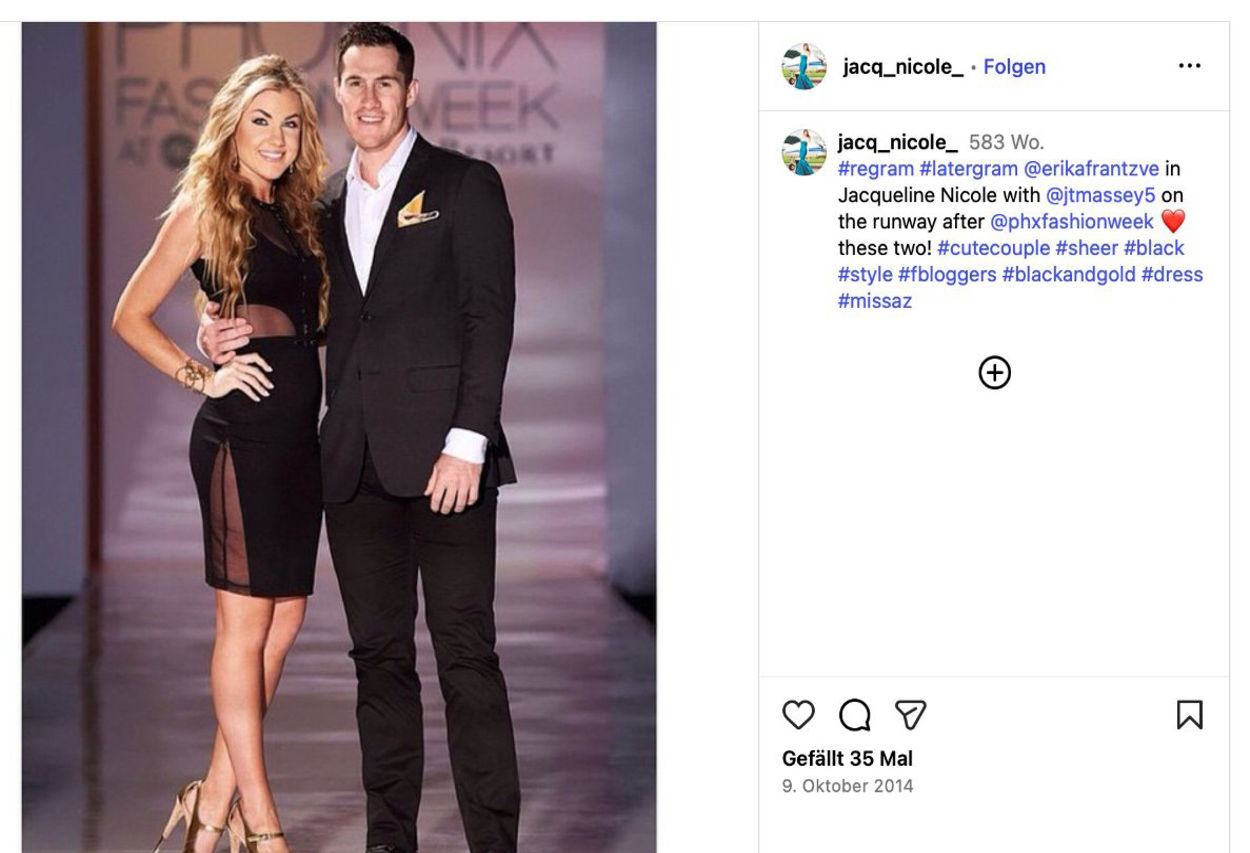
Among the alleged instances cited online are photographs of Erika with Tyler Massey from 2015, and footage from 2018 in which she appeared on Bravo's Summer House Season 3 as a potential romantic interest for cast member Jordan Verroi. These materials were shared on multiple platforms and sparked further speculation about her narrative consistency. Photos of Erika and Cabot Phillips, a media figure, surfaced as well. Some interpreted these as evidence of her previous romantic engagements.
@stephwithdadeets Erika allegedly had two boyfriends (that we know of) in the five years before meeting Charlie… the math isn’t mathing. Why lie? 👀 #erikakirk #cabot #tpusa #charliekirk #greenscreen
♬ original sound - Stephwithdadeets
Erika Kirk's Public Narrative And Personal History
Erika Kirk's public persona transformed dramatically after the murder of her husband, Charlie Kirk, the co-founder of Turning Point USA. Following his death on 10 September 2025, she assumed leadership of the organisation and addressed the nation in major media appearances, including town halls and television interviews.
Her appearance on CBS's town hall, moderated by editor-in-chief Bari Weiss, was among the most widely viewed interviews of her public tenure, drawing significant online engagement. During that interview, Kirk discussed an array of issues, from political violence and hate to antisemitism, and offered reflections on her late husband's legacy. Although the town hall did not focus specifically on her personal relationships, her remarks on lifestyle choices were widely shared and dissected online.
Contradictions and Public Scrutiny
The online debate intensified after Erika's seemingly offhand remarks about her social life before marriage entered the digital spotlight. Critics seized on the appearance of past public content that appears to show her attending parties, social events, and engaging in relationships, elements some view as inconsistent with her more recent narrative.
Online commentators and creators have juxtaposed these resurfaced images and clips with her CBS interview remarks, suggesting that her portrayal of her earlier social life may be incomplete or misleading. These discussions have become fervent on TikTok, Instagram reels, and other platforms, propelling the story beyond standard political discourse into the realm of personal scrutiny.
A widely shared Facebook post succinctly encapsulated the sentiment of many commenters, stating that dating and past relationships were not inherently controversial, but questioning why they would be seemingly reframed or downplayed.
Broader Implications For Public Figures
The rapid viral response has sparked broader conversations about how public figures present their personal histories, especially in the context of grief and political leadership. Erika Kirk's ascent to the helm of Turning Point USA places her at the intersection of political influence, public mourning, and the intense spotlight of online discourse.
Observers note that the conversation unfolding online is not merely about dating history, but about narrative consistency, authenticity, and the broader expectations placed on public leaders during times of personal and organisational transition. The controversy highlights how online communities can rapidly mobilise around apparent inconsistencies, elevating personal anecdotes into broader cultural conversations about truth, memory, and public identity.

© Copyright IBTimes 2026. All rights reserved.